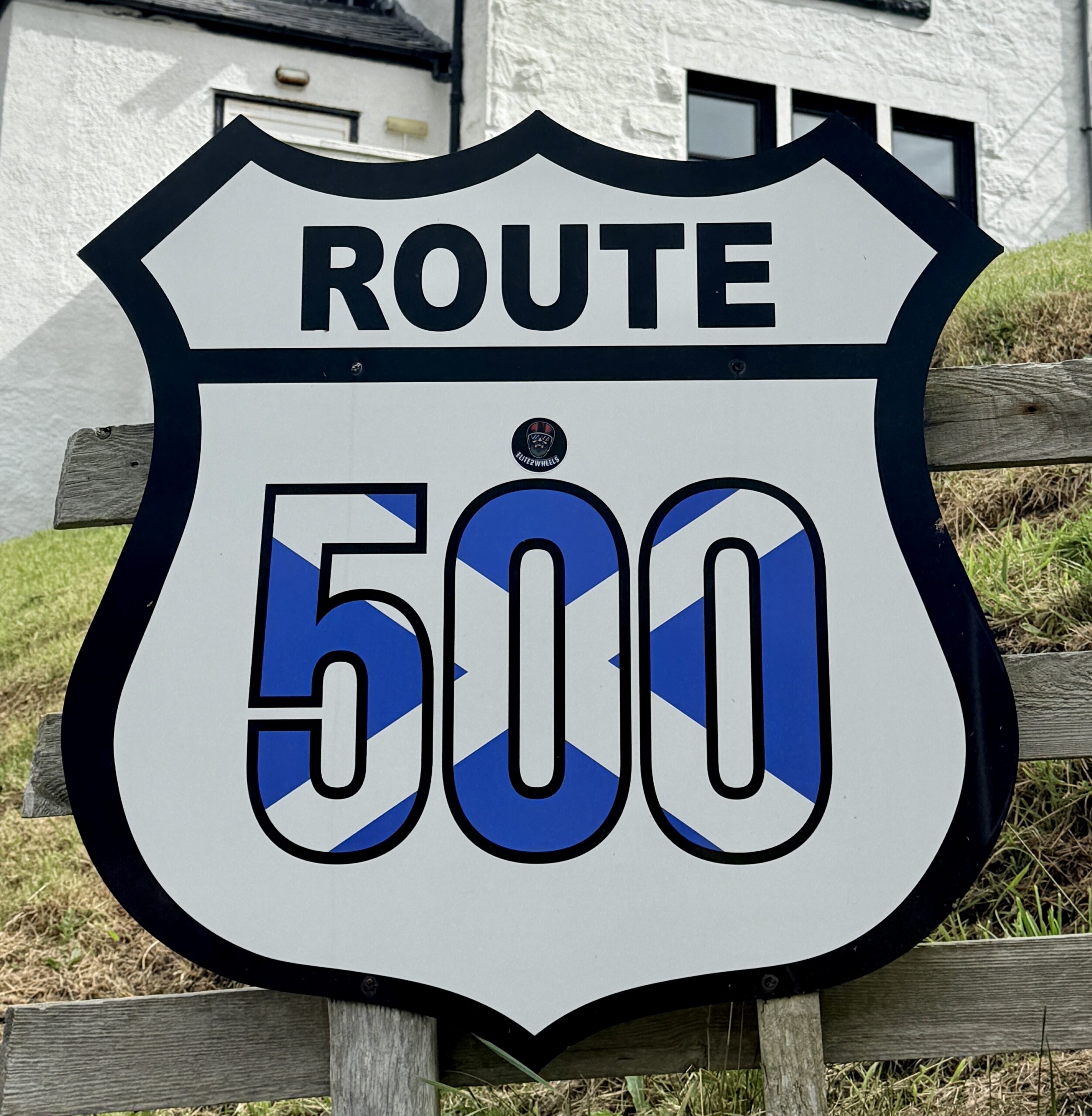

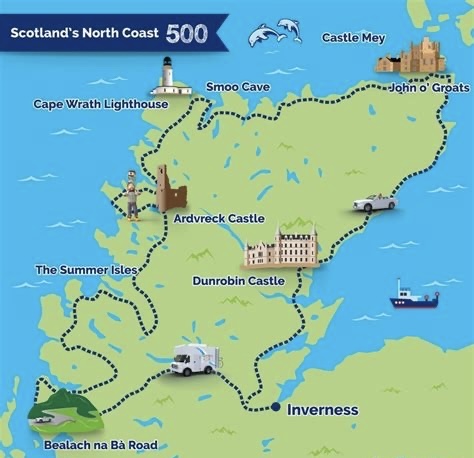
August and it is 13c / 55F, raining and windy! Perfect Scottish weather if you are trying to escape the Novi Sad summer heat. How has your summer been going? Our summer is fantastic, and we will be following the Scottish NC 500 starting and ending in Inverness, with stops in the Orkney Island and the Isle of Lewis. An exciting trip with lots of amazing castles, sea vistas and charming villages.
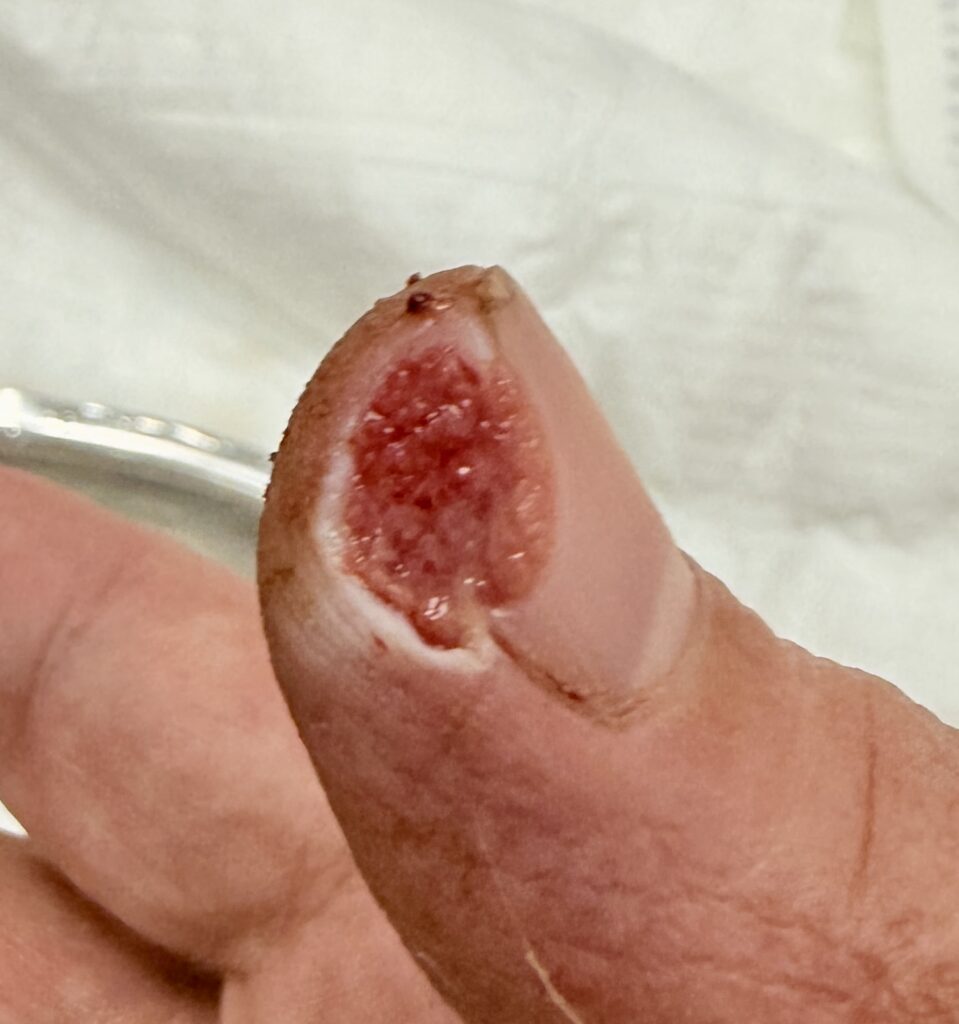
For those of you who follow my Instagram, you recall the “Thumb Incident.” Never, and I mean ever, employ a mandolin slicer if your hands are slick. Three weeks ago, while slicing carrots, I carved a chunk of skin and nail from my right thumb. Through timely intervention, and a lot of help from friends, my finger is making a rapid recovery.

Speaking of Scotland, it is a pain driving on the left. Between drifting onto the shoulder and feeling like I am about to collide with the oncoming traffic, it is nerve wracking. Also, this country loves traffic circles, and entering from the left takes vigilance. Enough bitching, now onto the pictures. Also, I mentioned the stormy weather. Well a storm has been chasing us this trip, and twice our hotel or restaurant has lost power and wind gusts over 85 mph are normal. Makes for some cold days, but we knew this before coming so we are prepared.
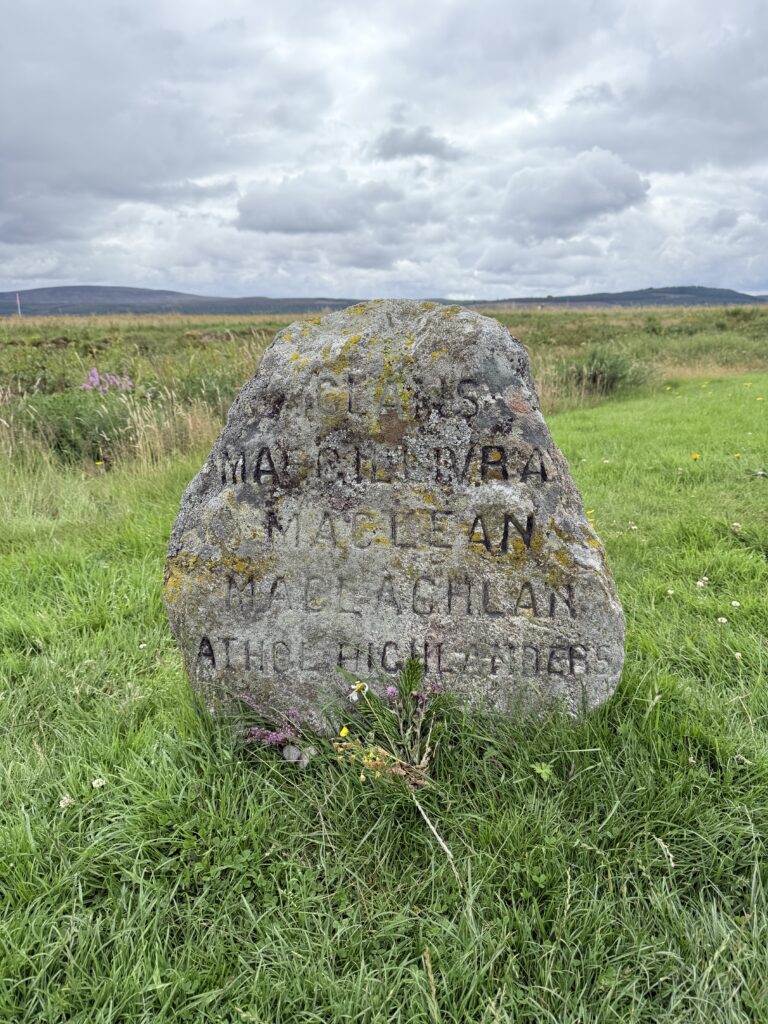
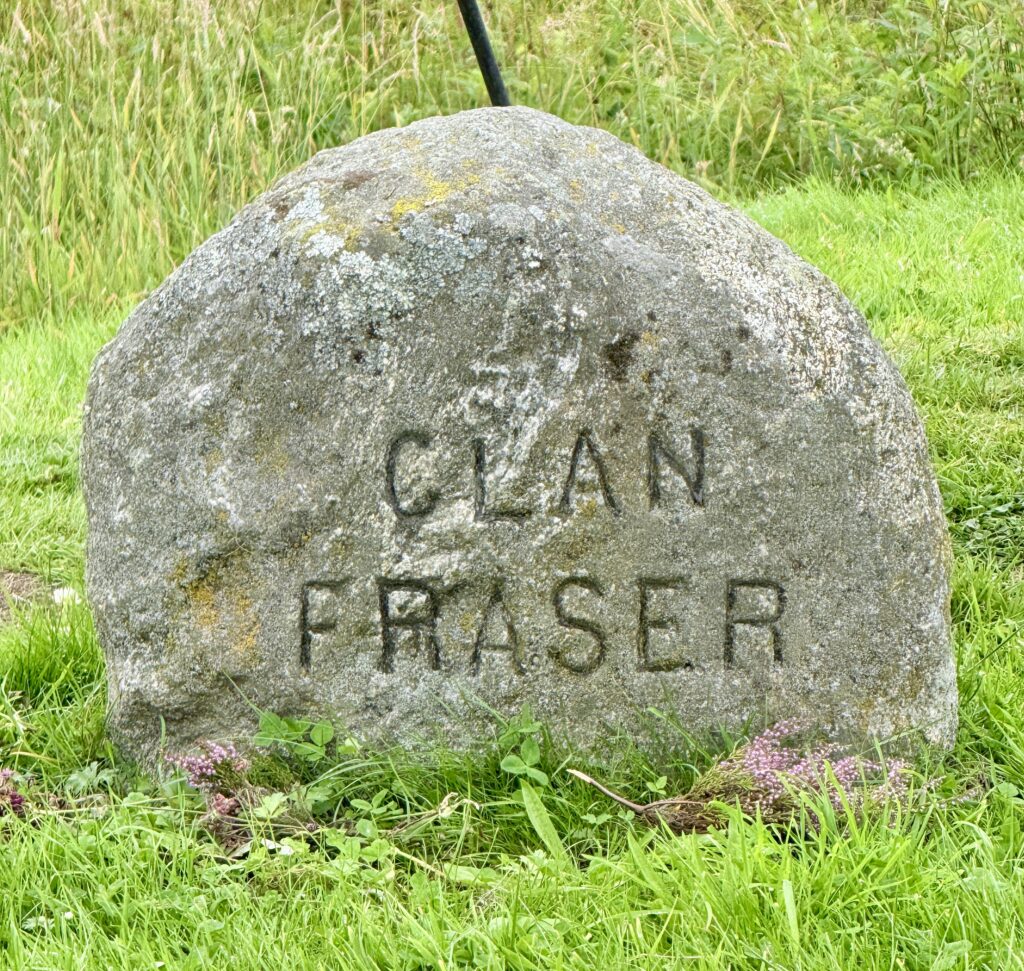
Culloden Battlefield, Inverness
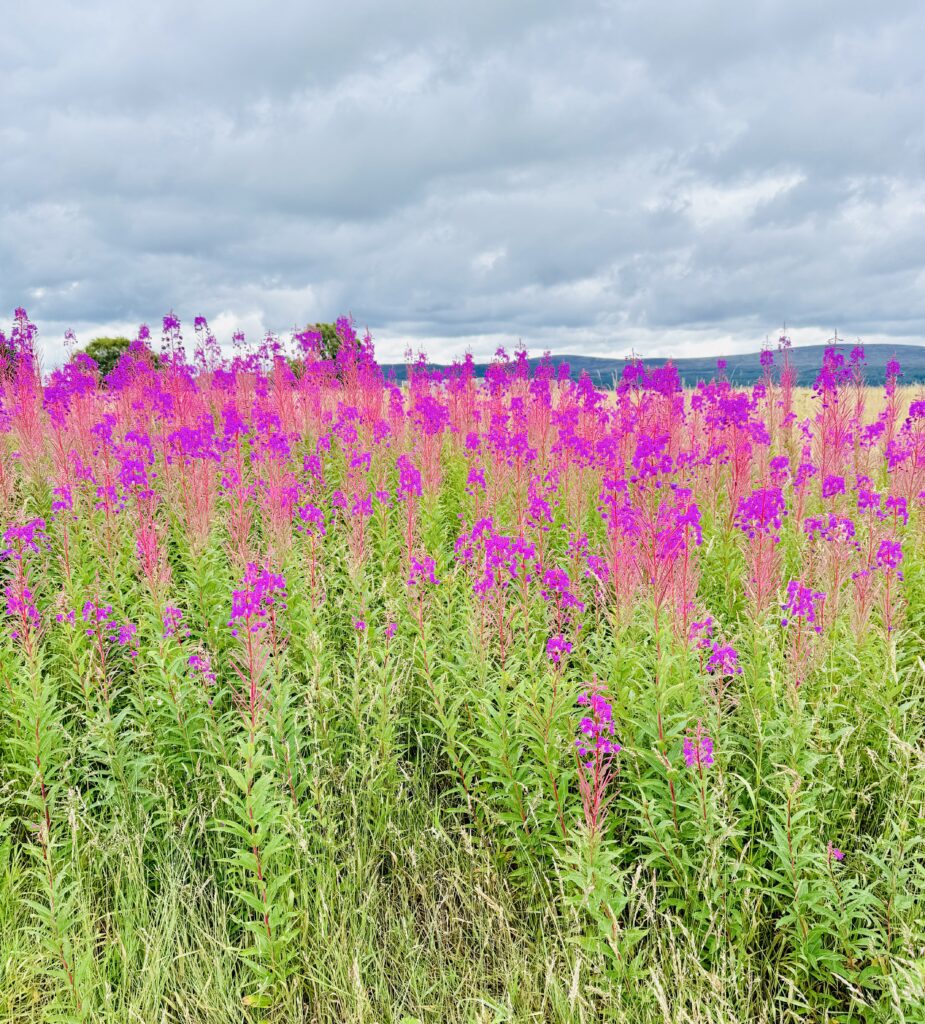
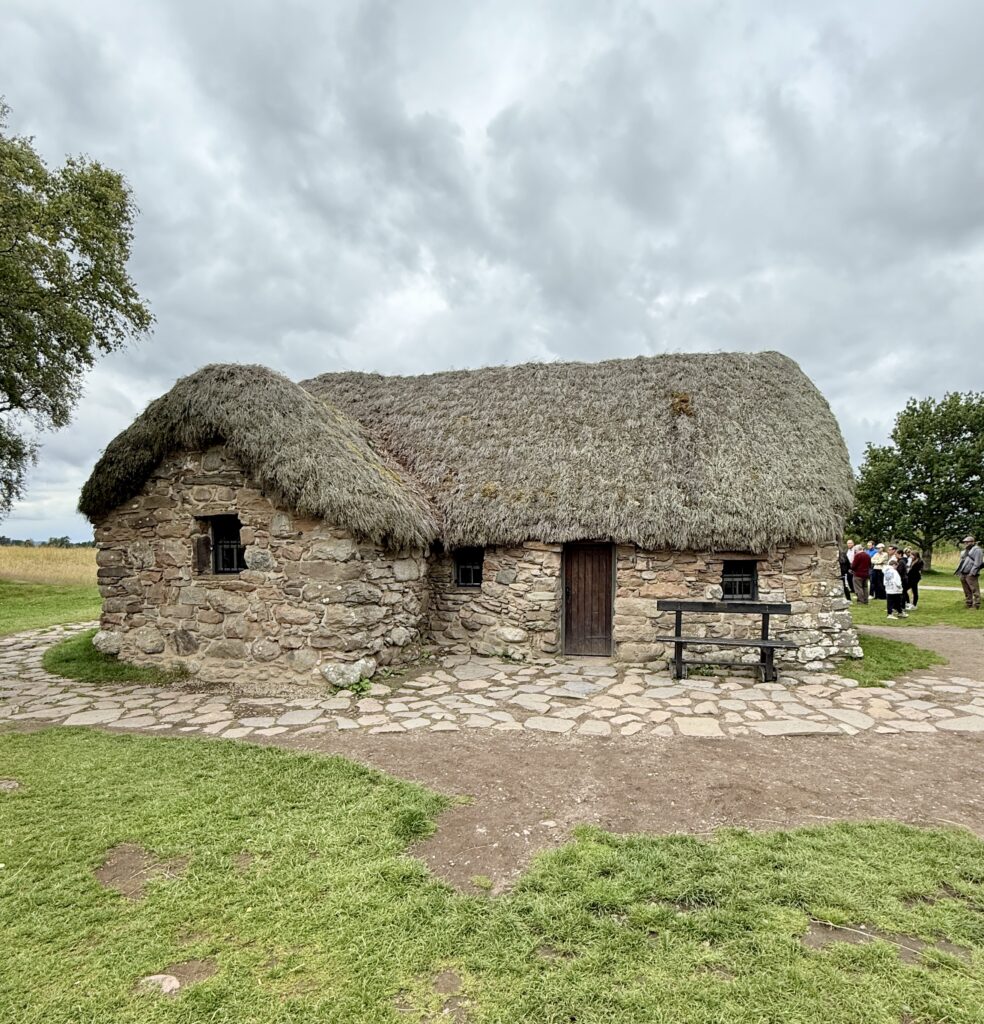
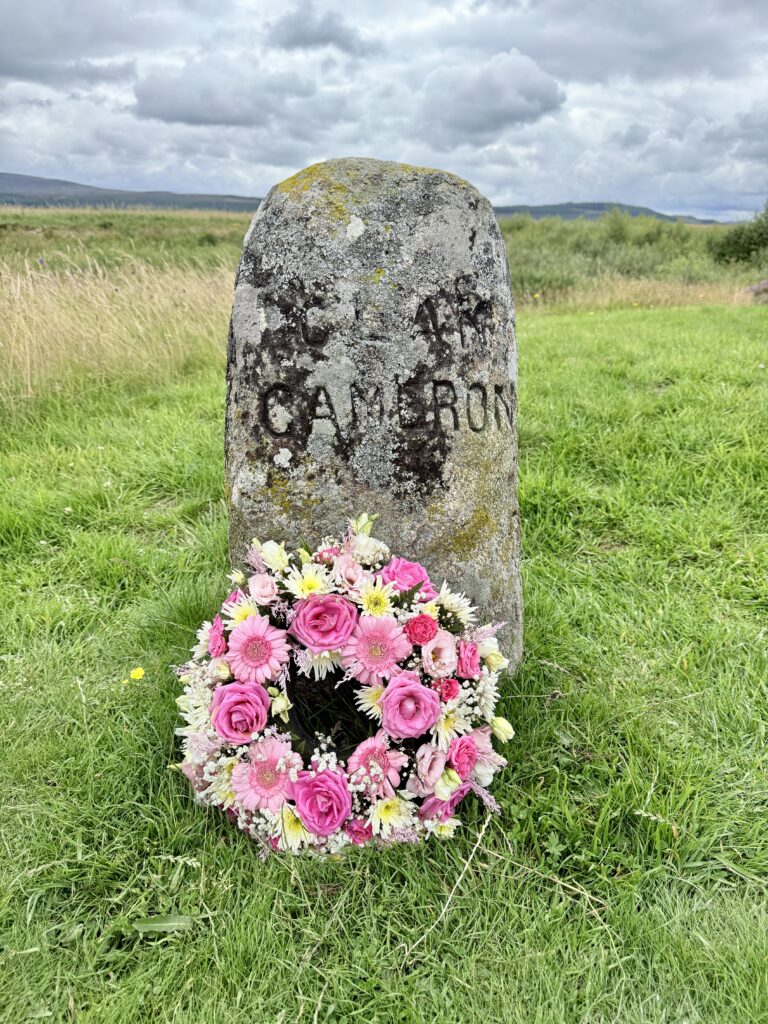
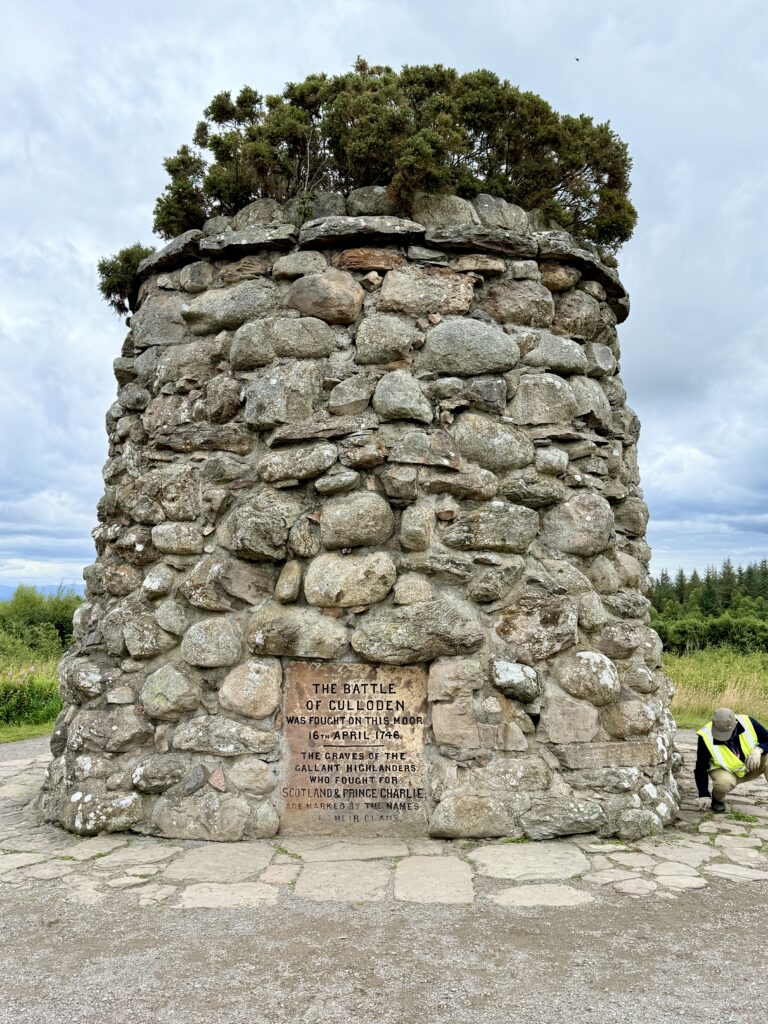
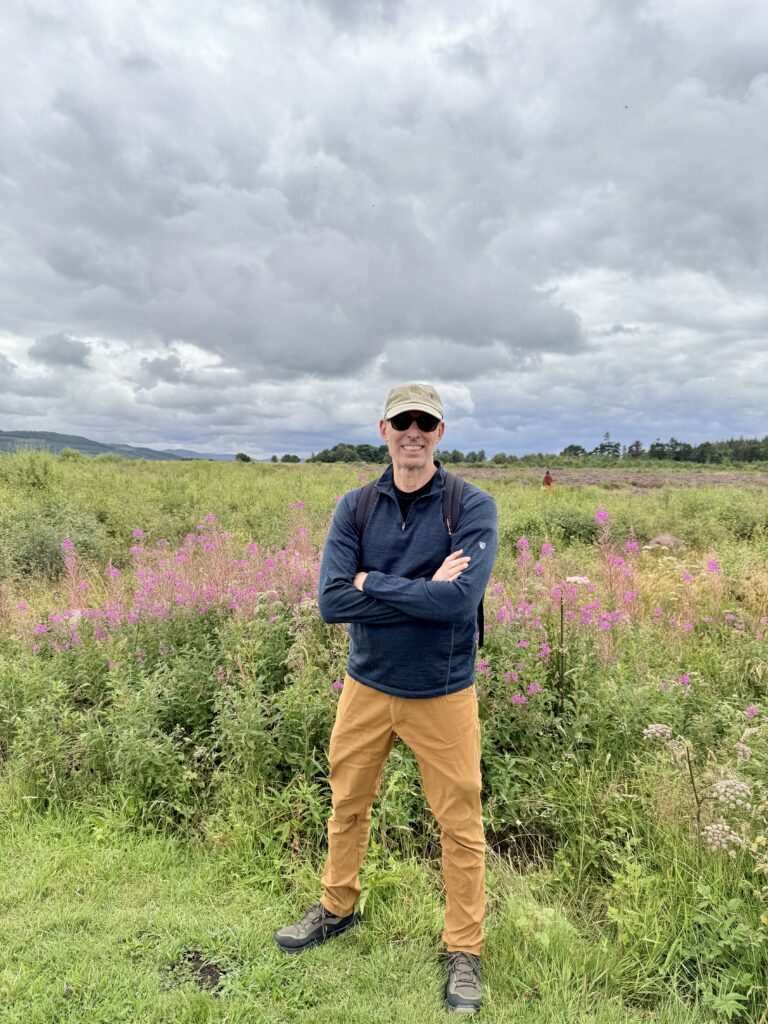
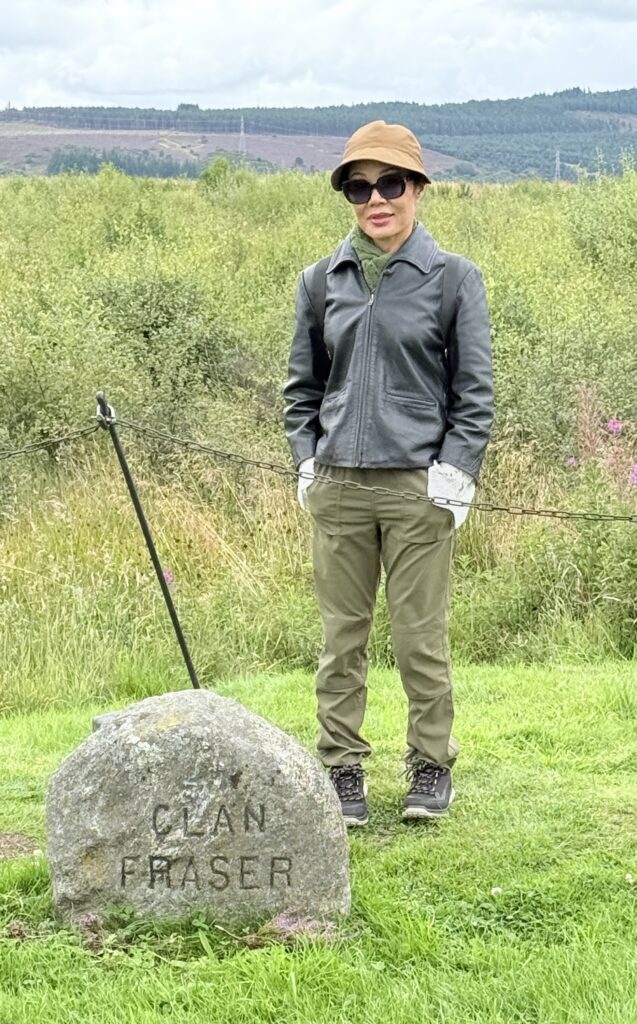
First stop Colloden Battlefield to glimpse the history that inspired Outlander. The battlefield is wonderful to roam and is crisscrossed with walking trails. Wildflowers bloom everywhere and clan marks dot the landscape. Of course, no trip would be complete without paying our respects to the “Clan Frazer” headstone.
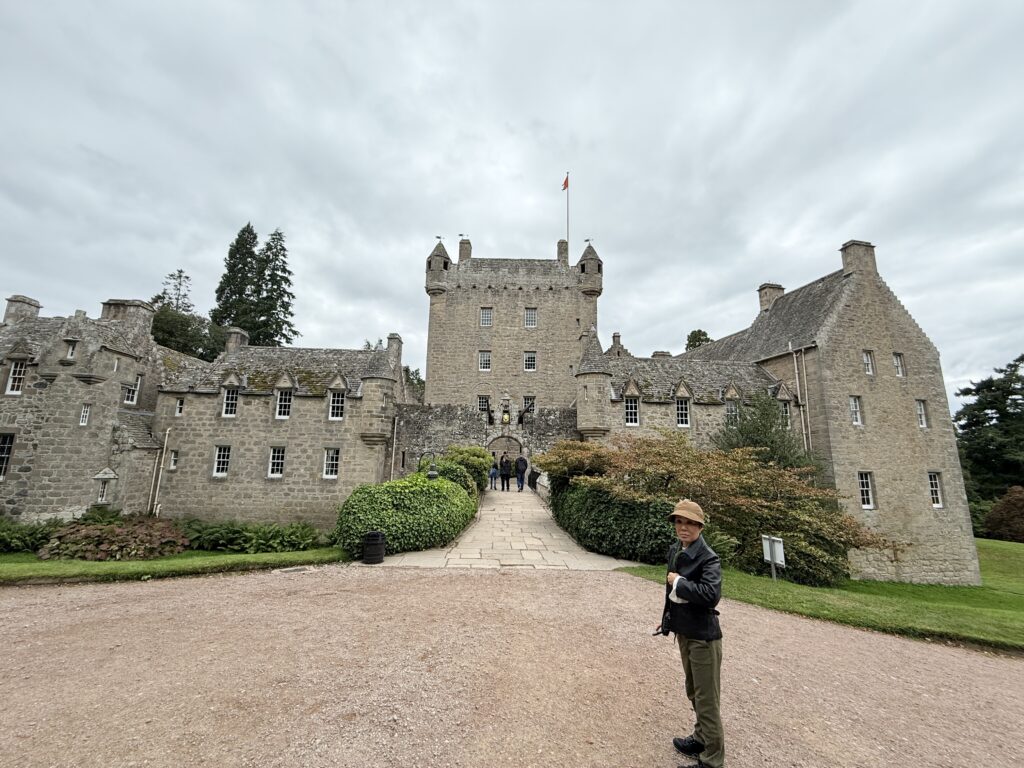
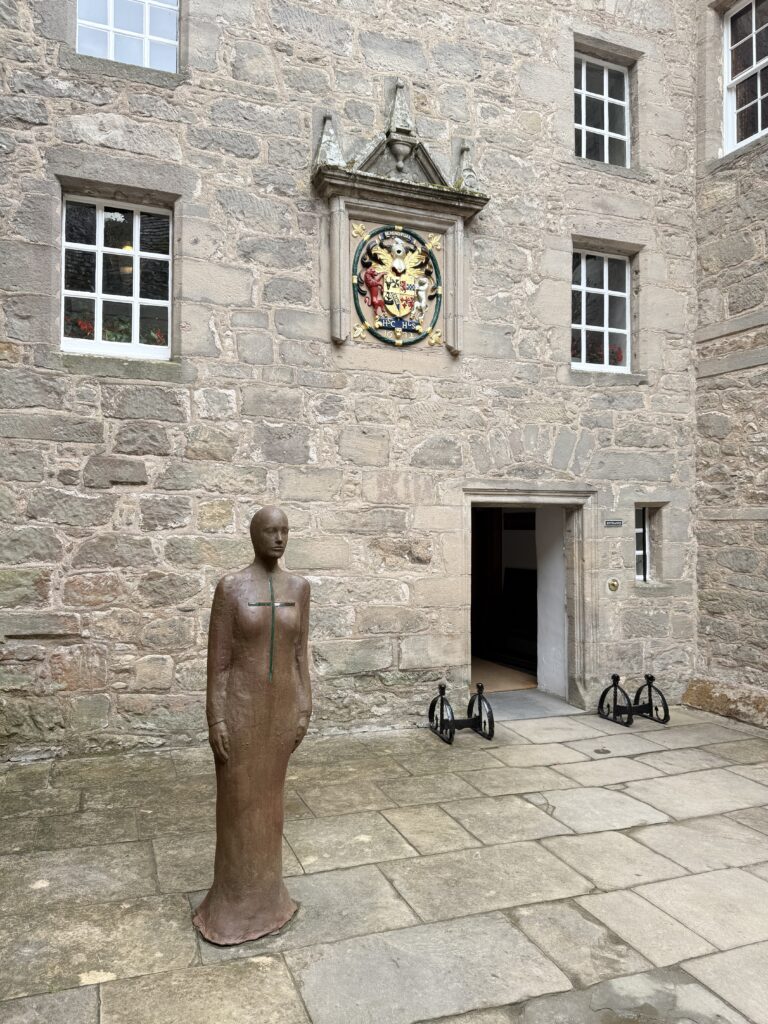
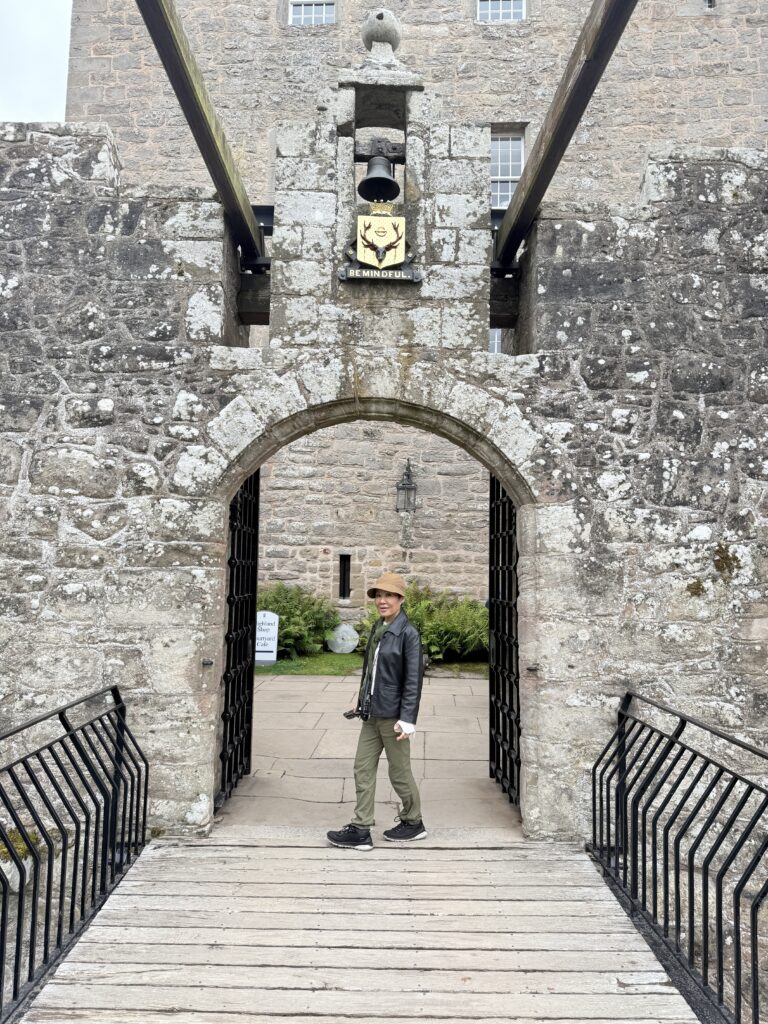
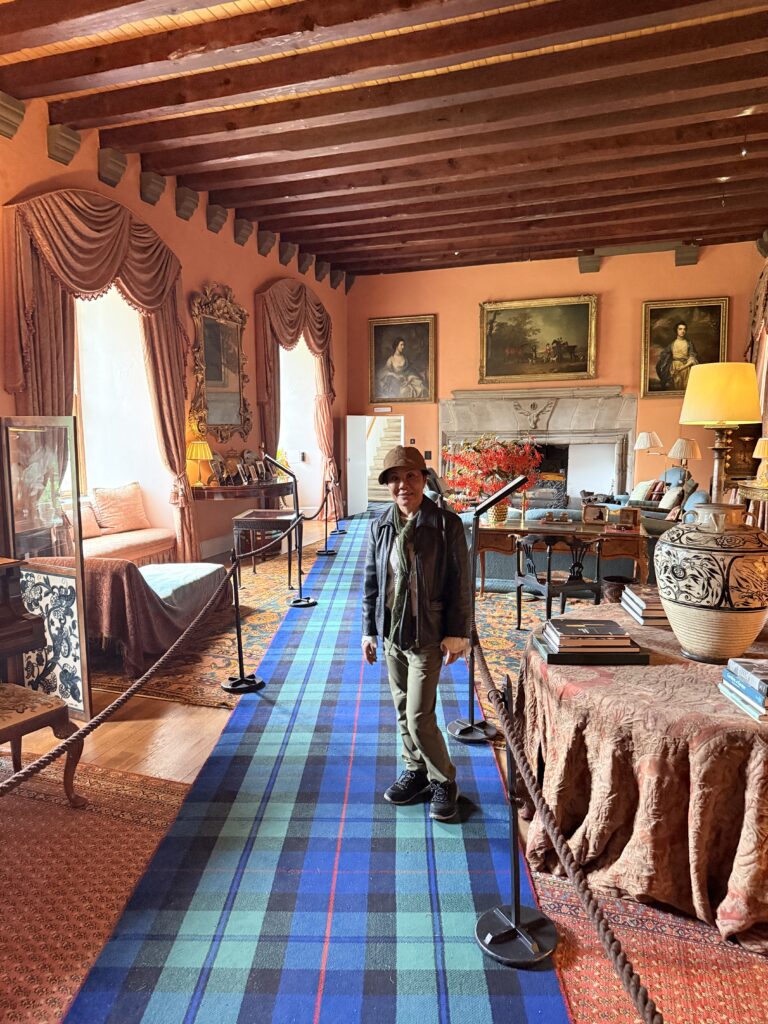
Cawdor Castle
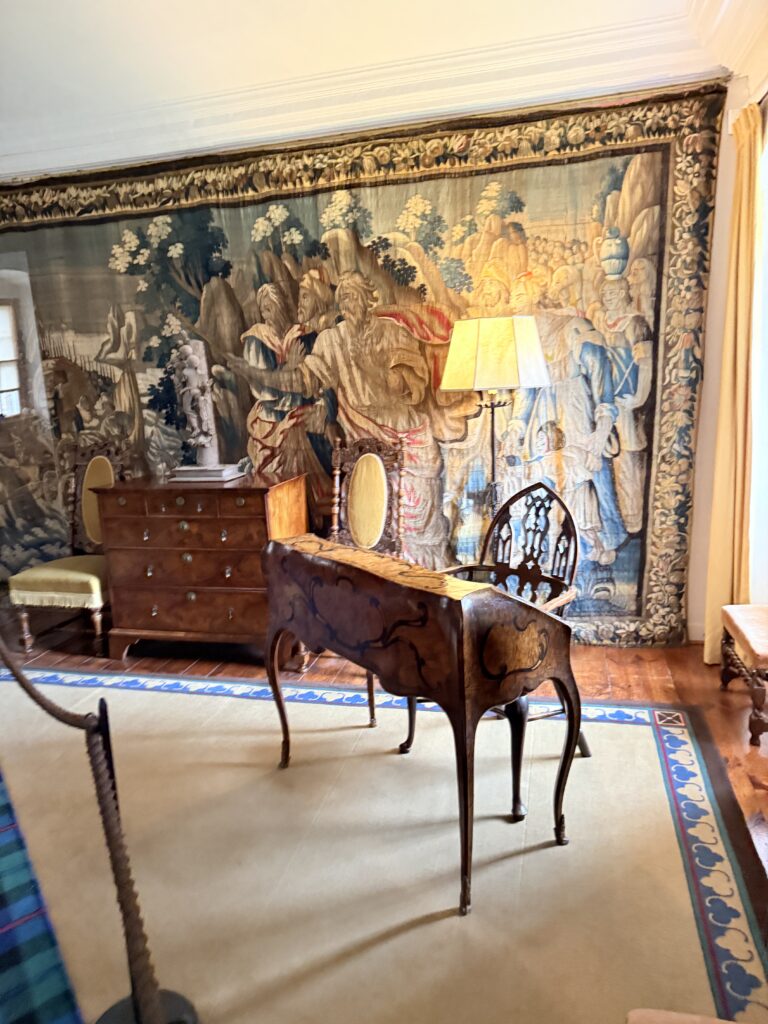
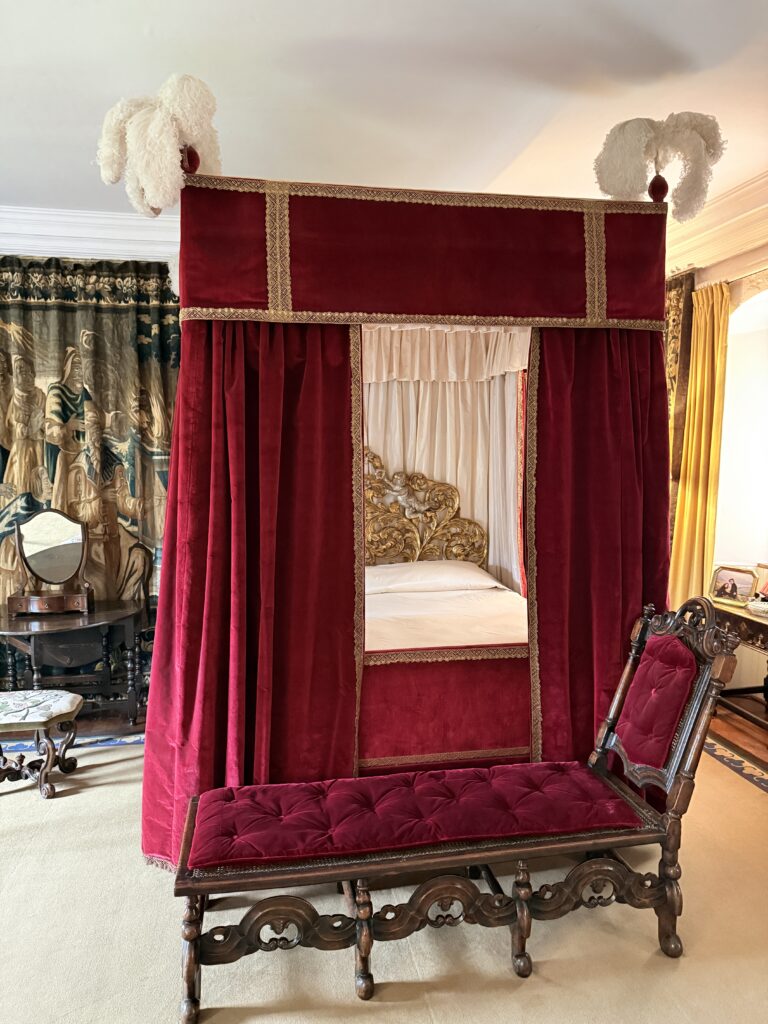
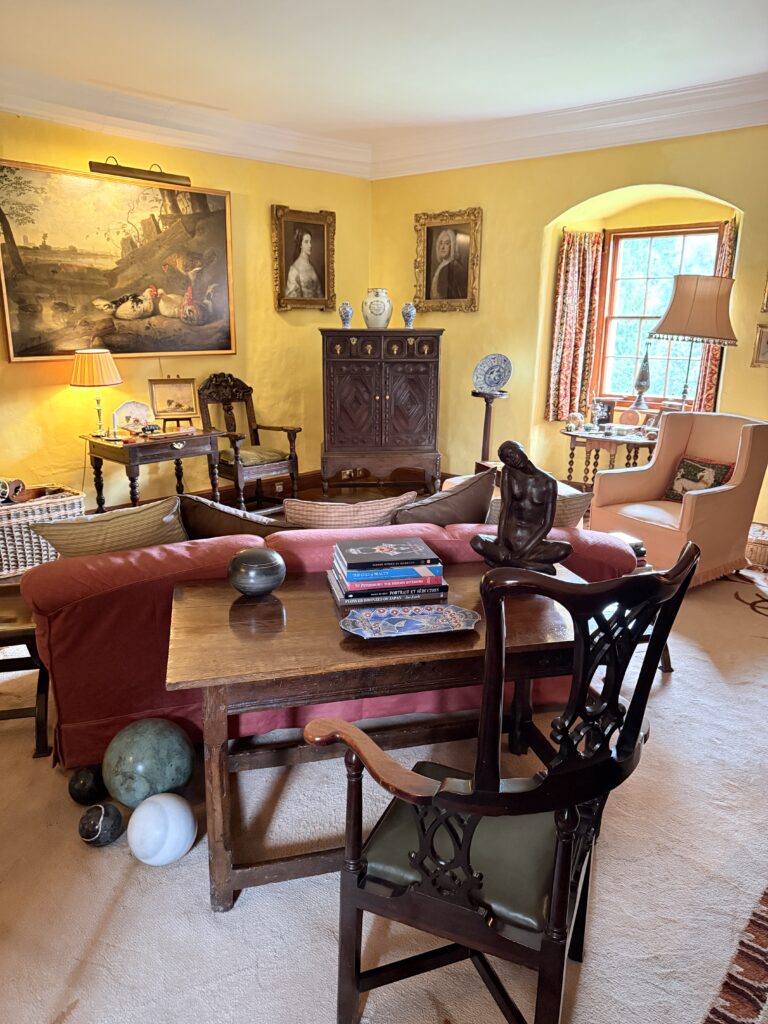
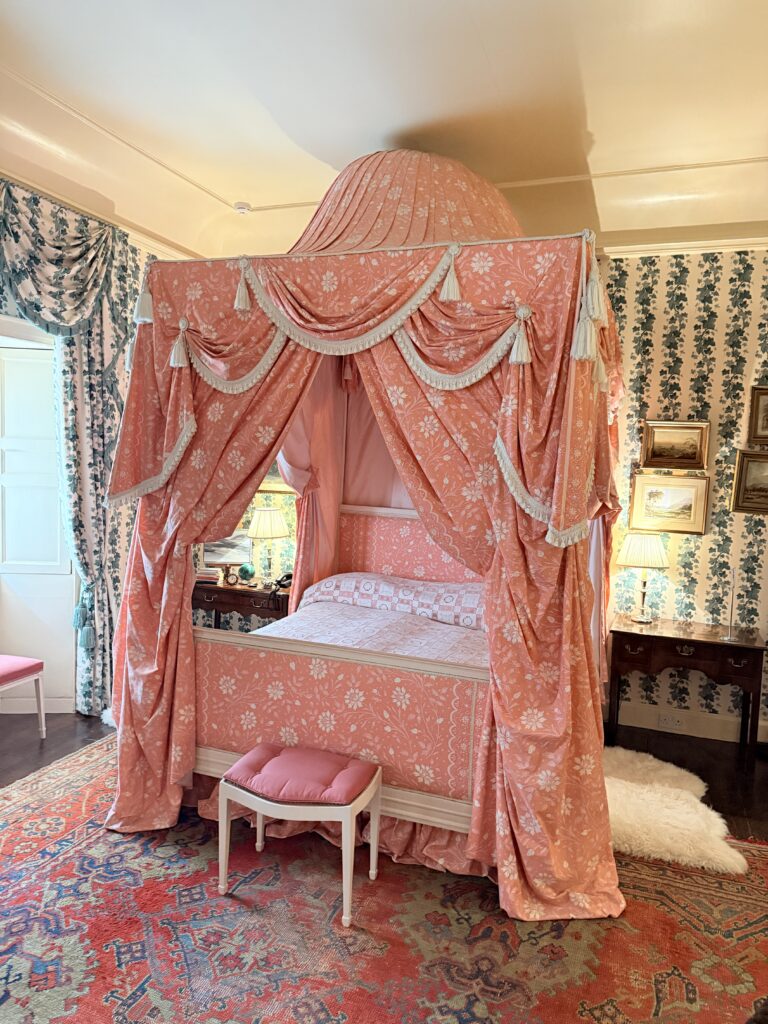
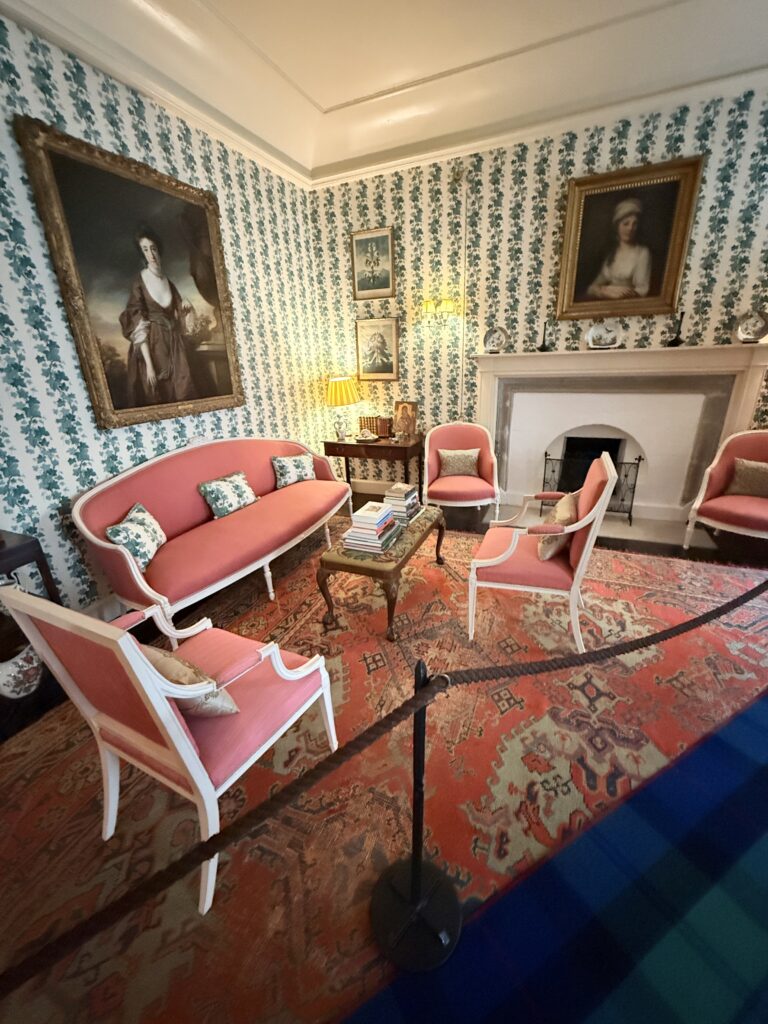
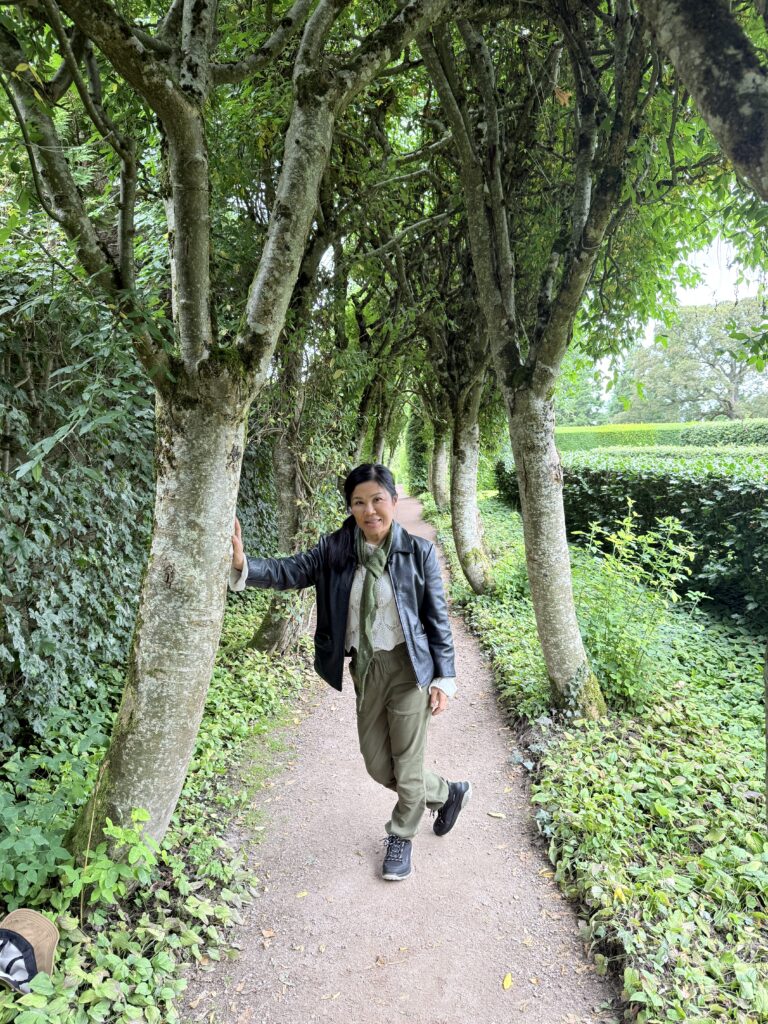
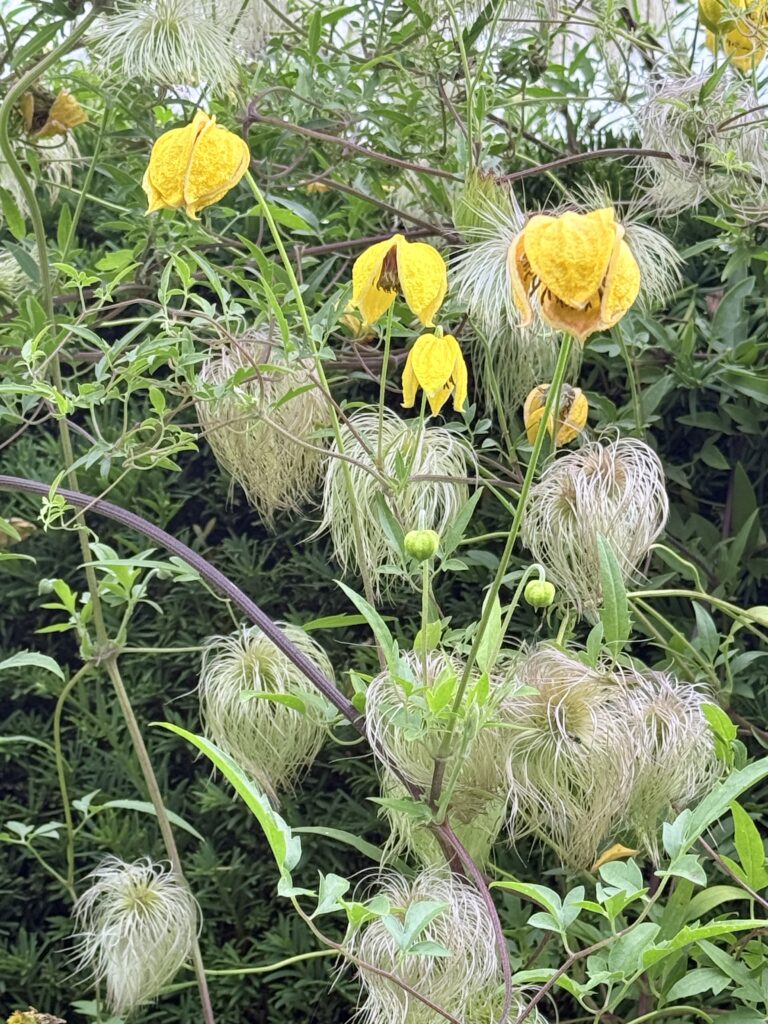
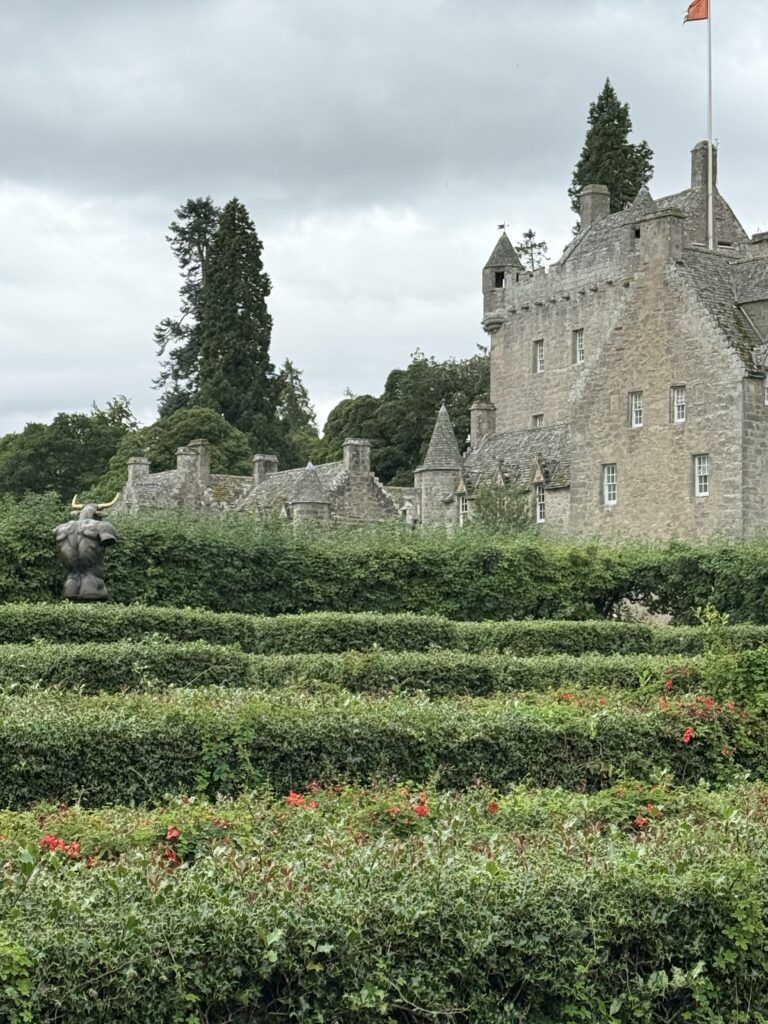
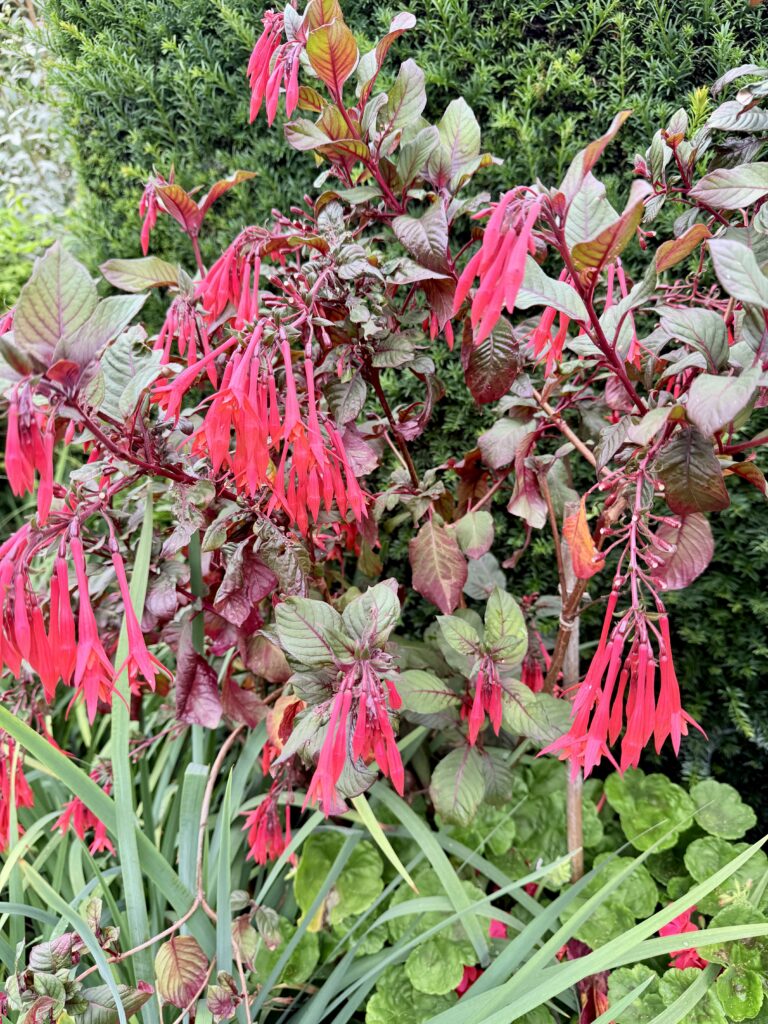
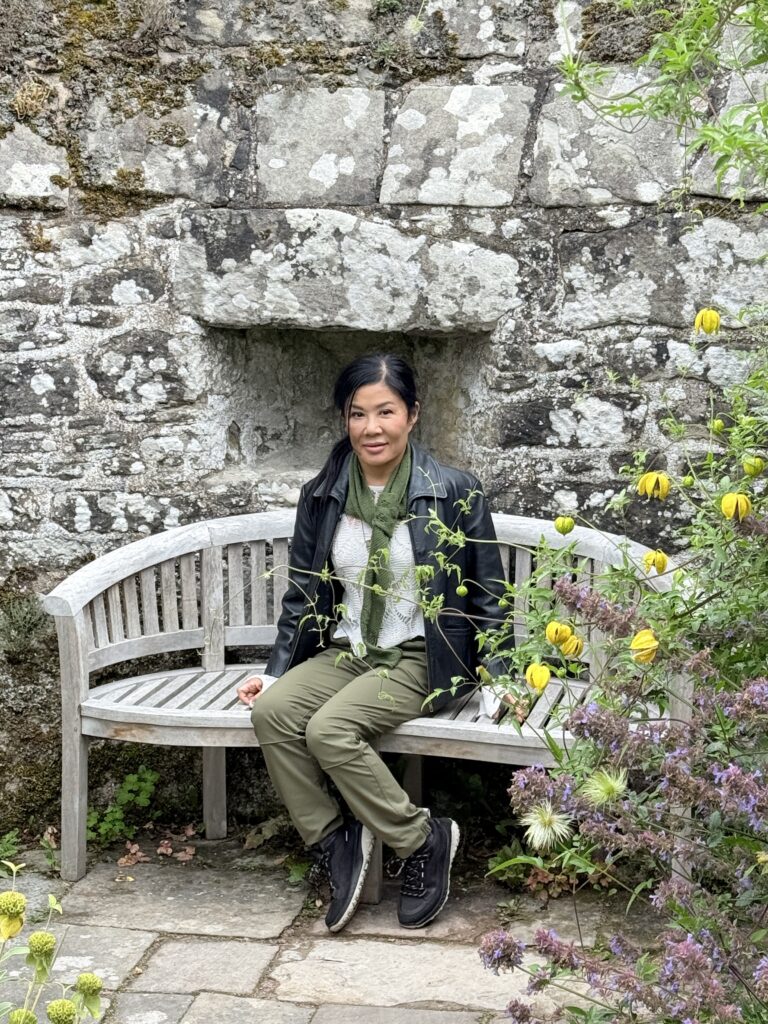
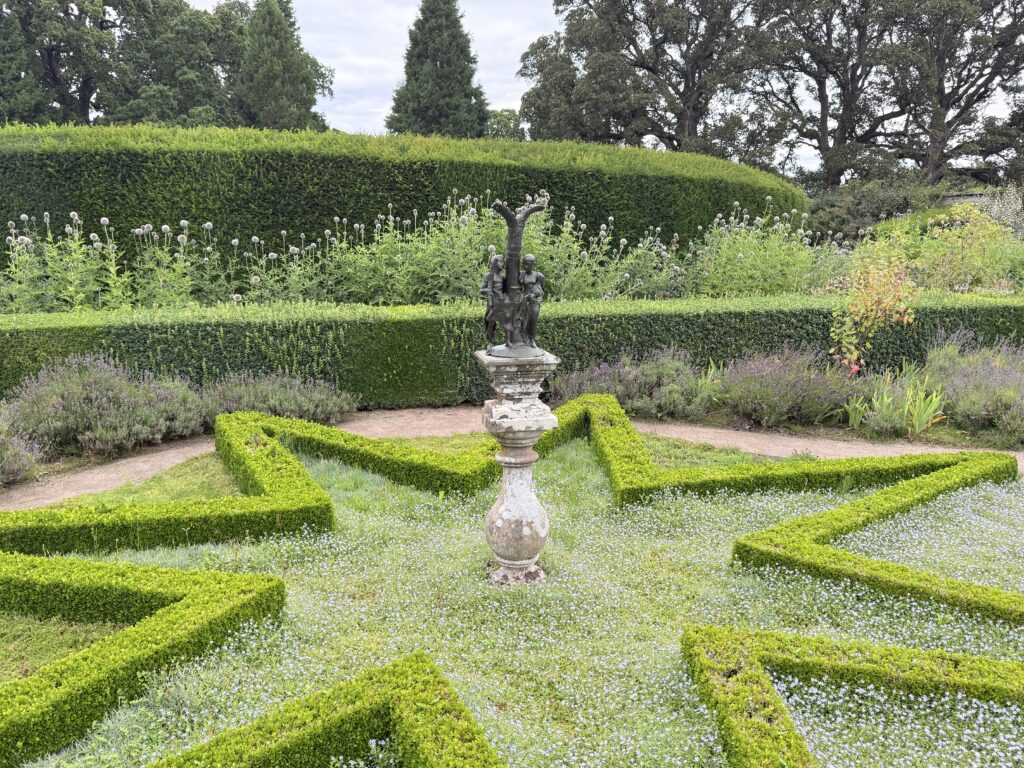
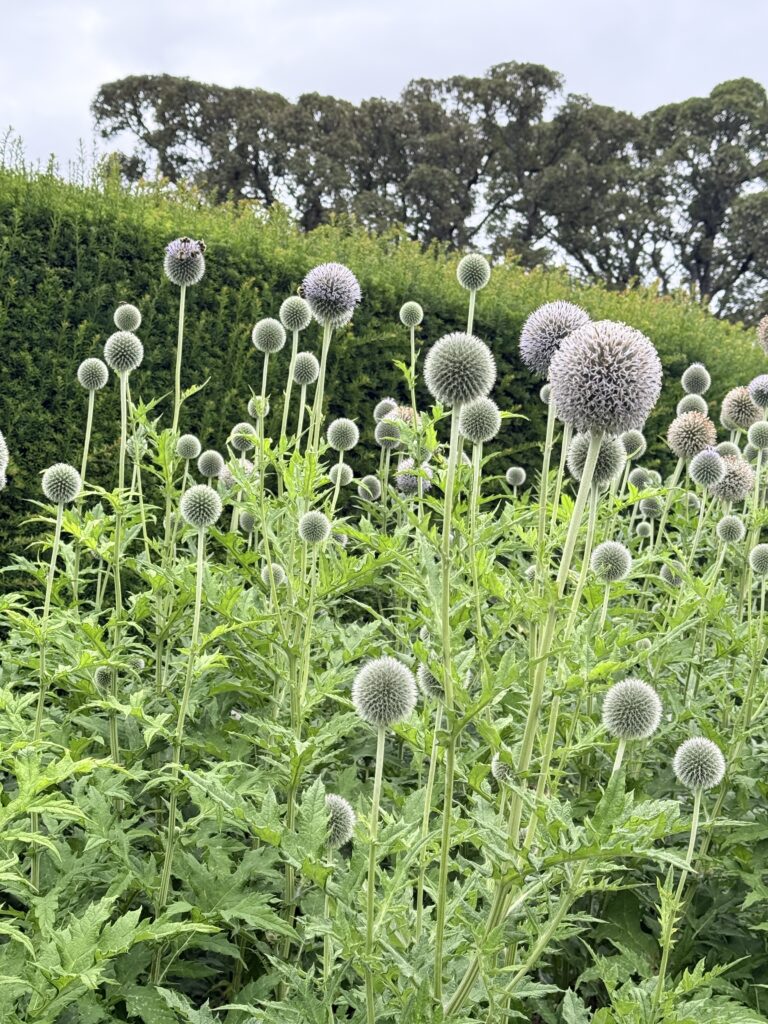
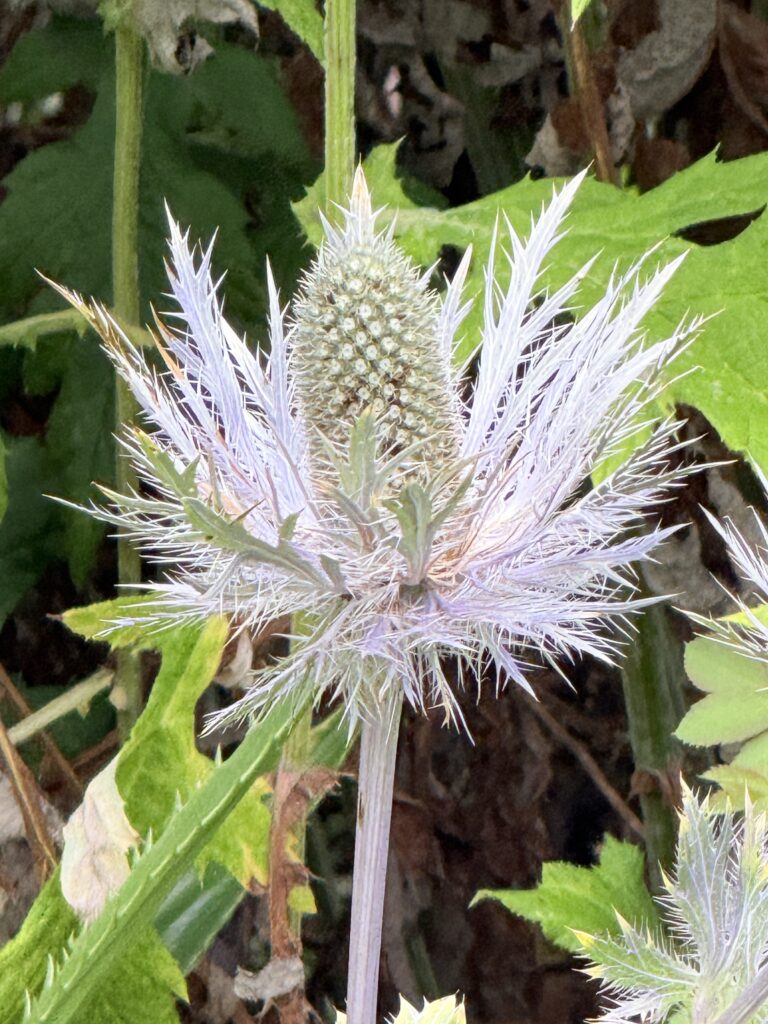
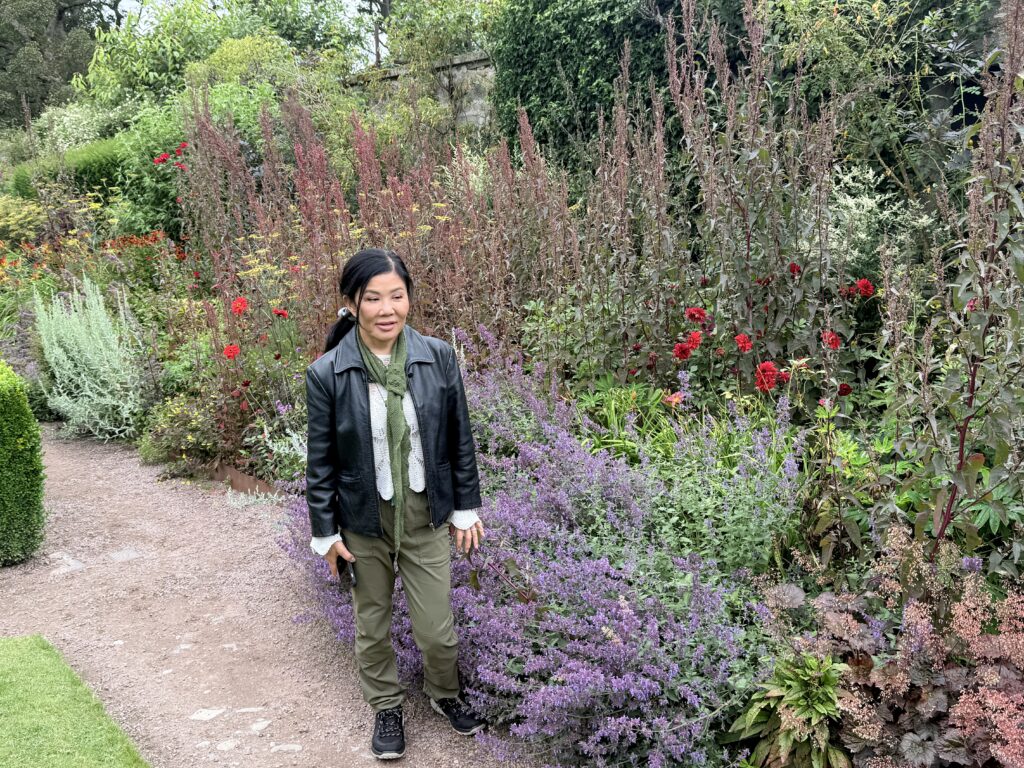
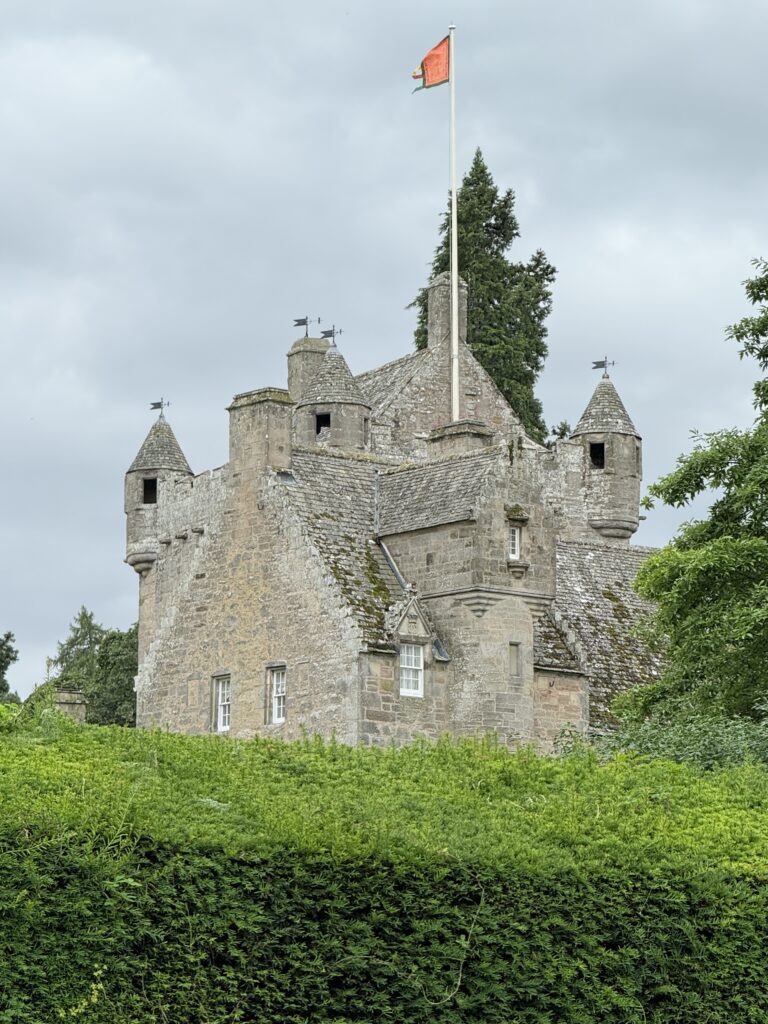
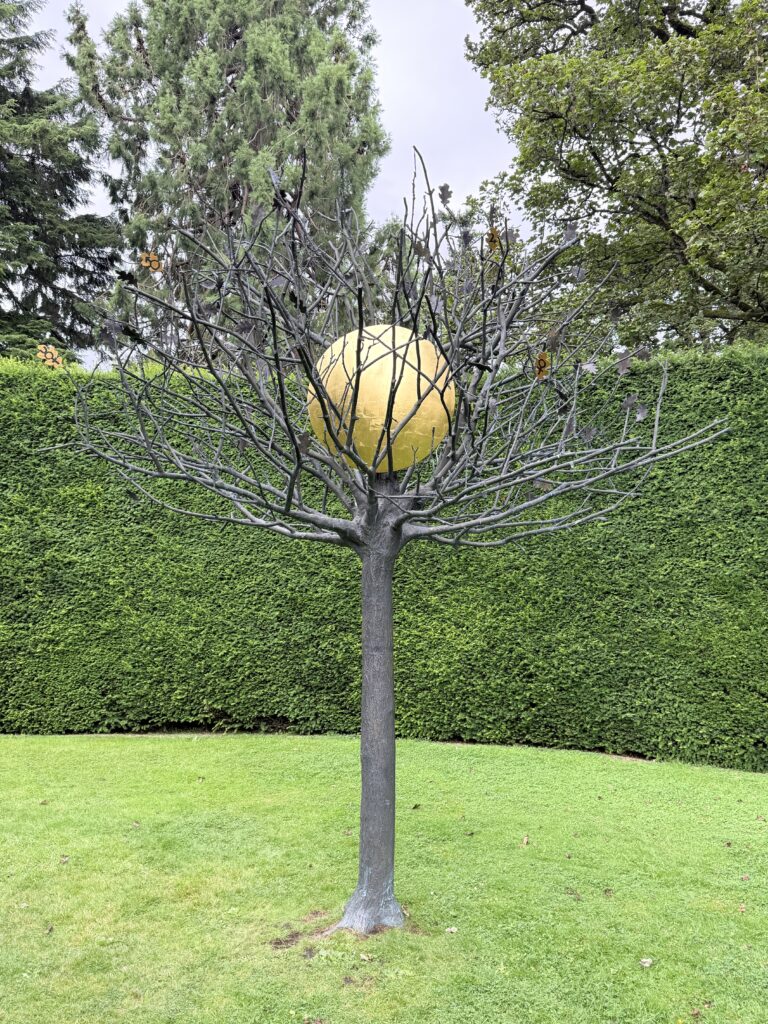
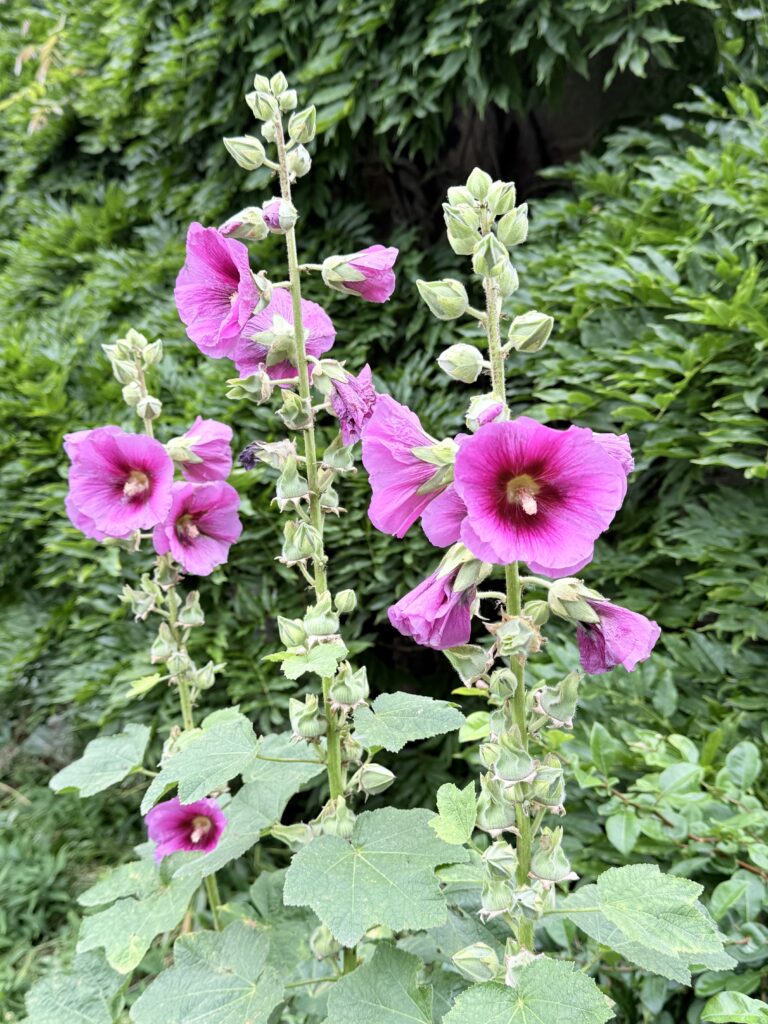
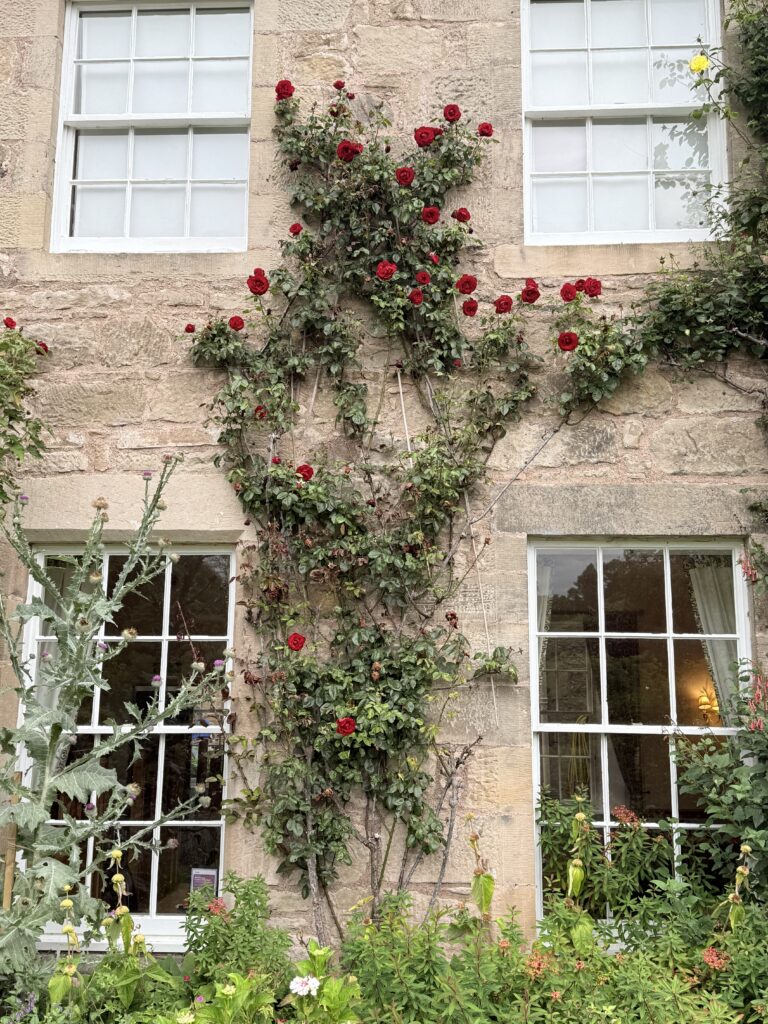
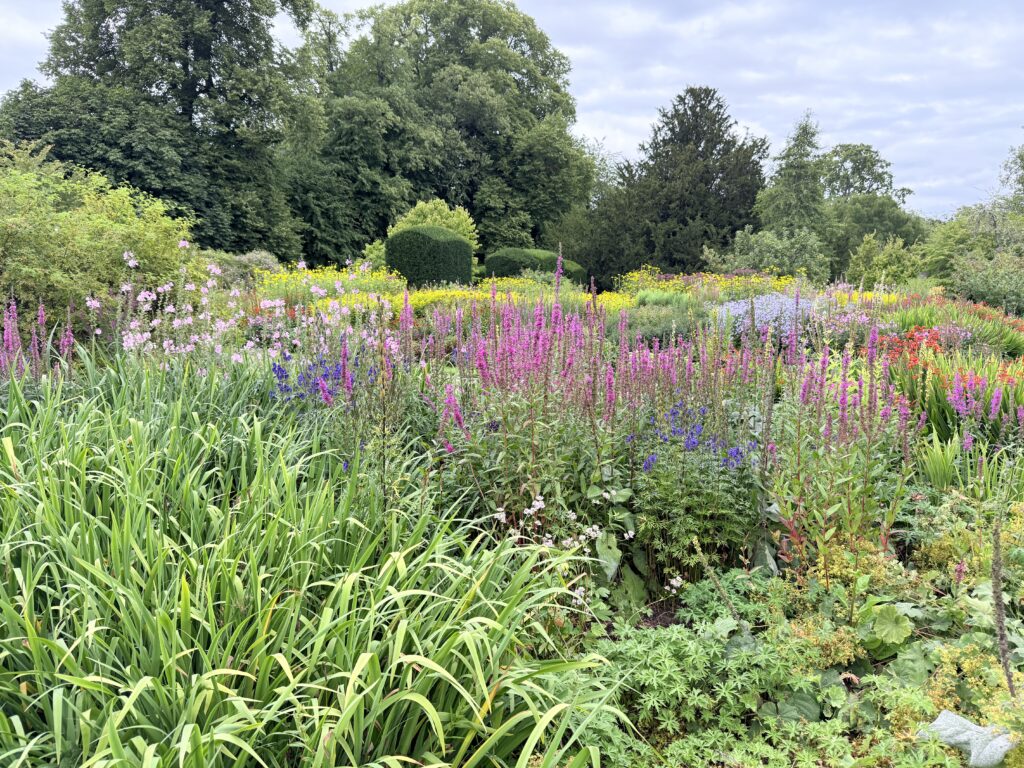
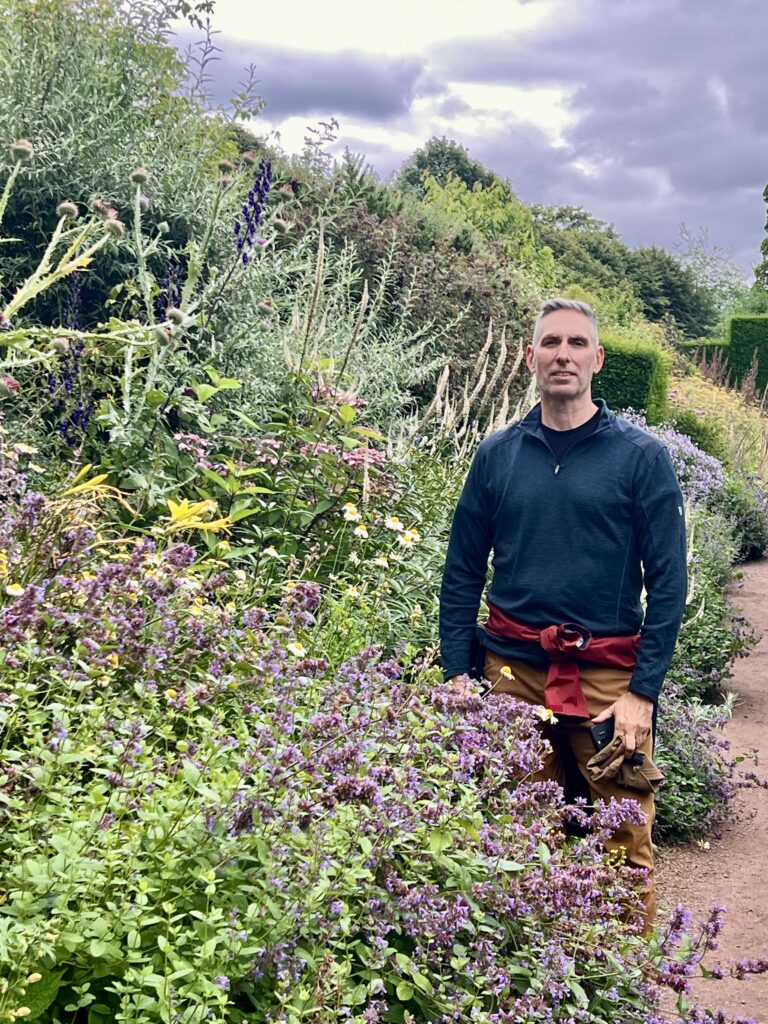
Cawdor Castle is a 14th-century Highland castle about 12 miles east of Inverness. Built for the Thanes of Cawdor, it’s famous for its literary link to Shakespeare’s Macbeth (though the real castle was built centuries later) and for the holly tree at its heart, around which the original keep was constructed. This castle is immaculately preserved and boasts stunning gardens.
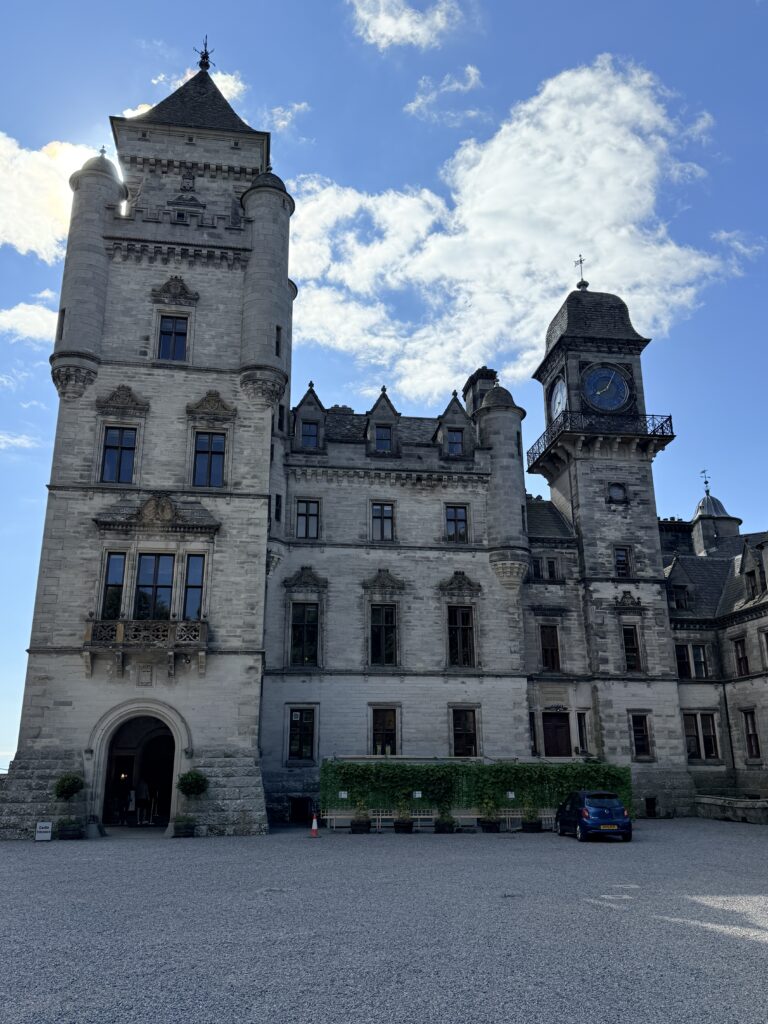
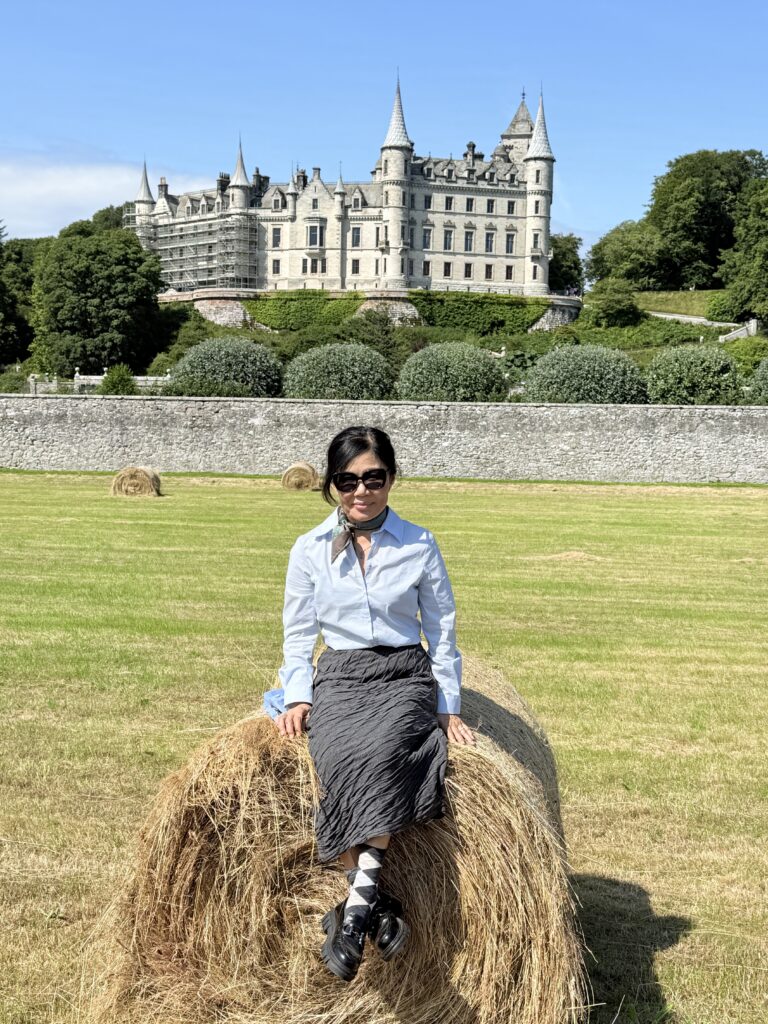
Dunrobin Castle, Golspie
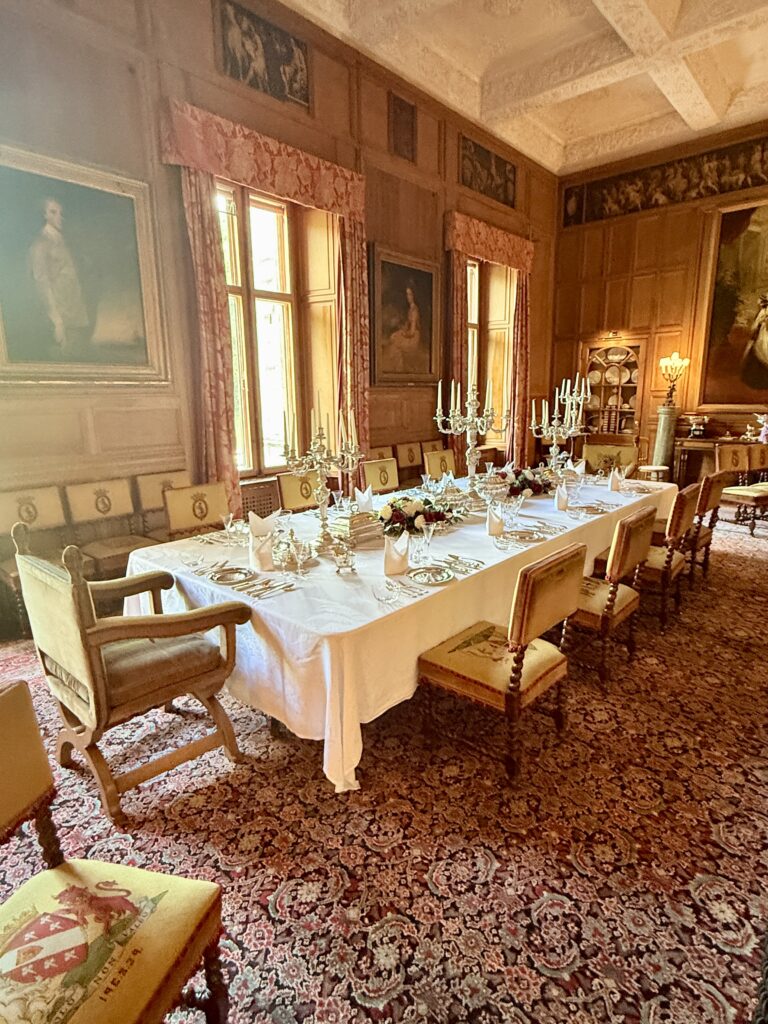
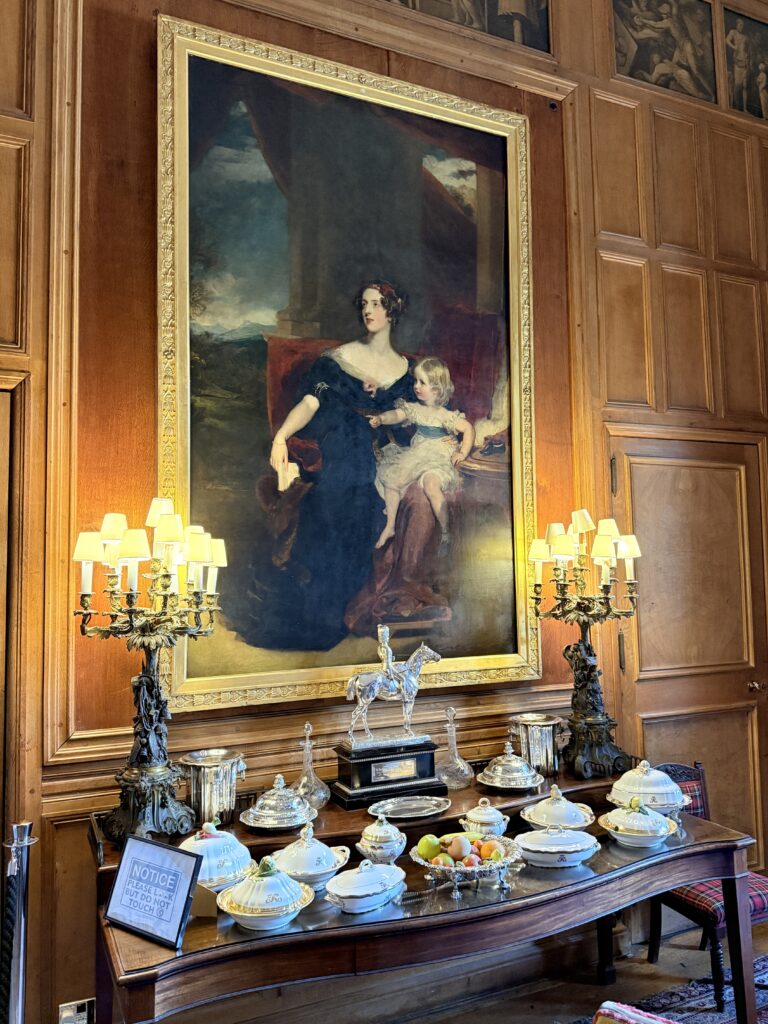
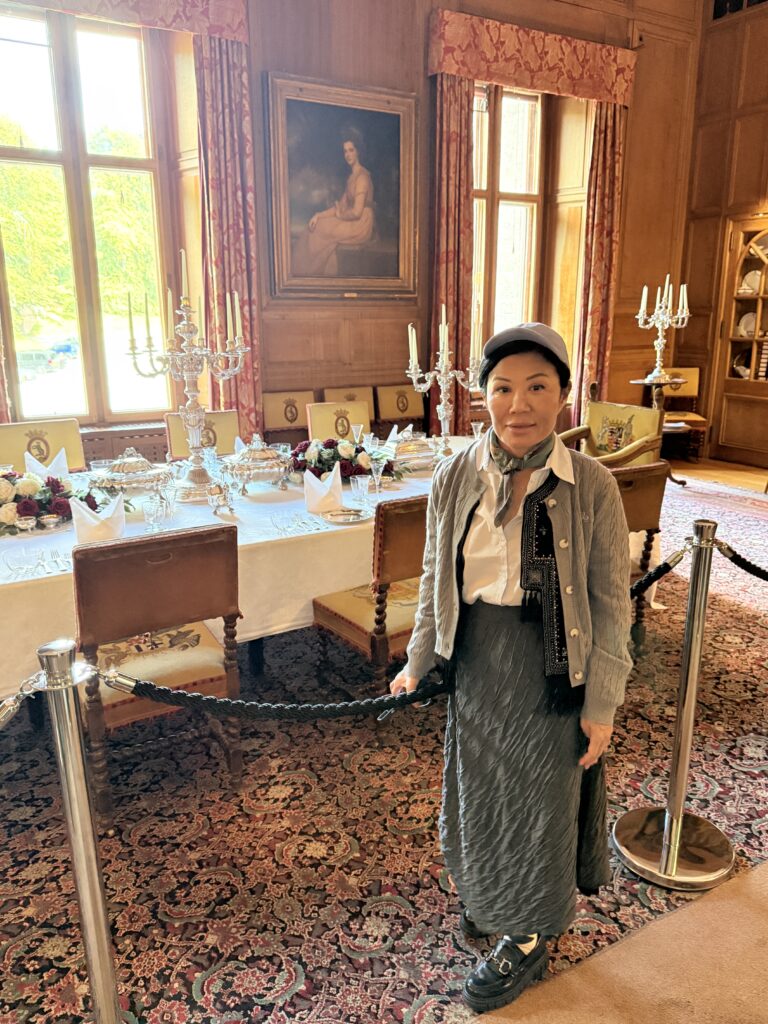
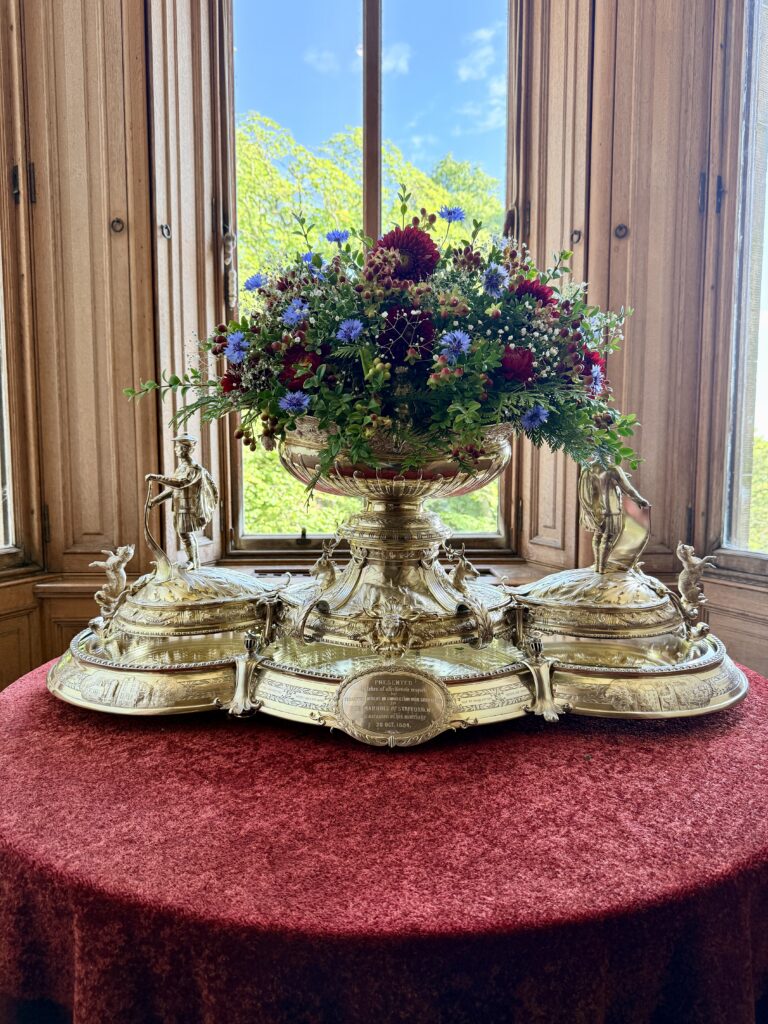
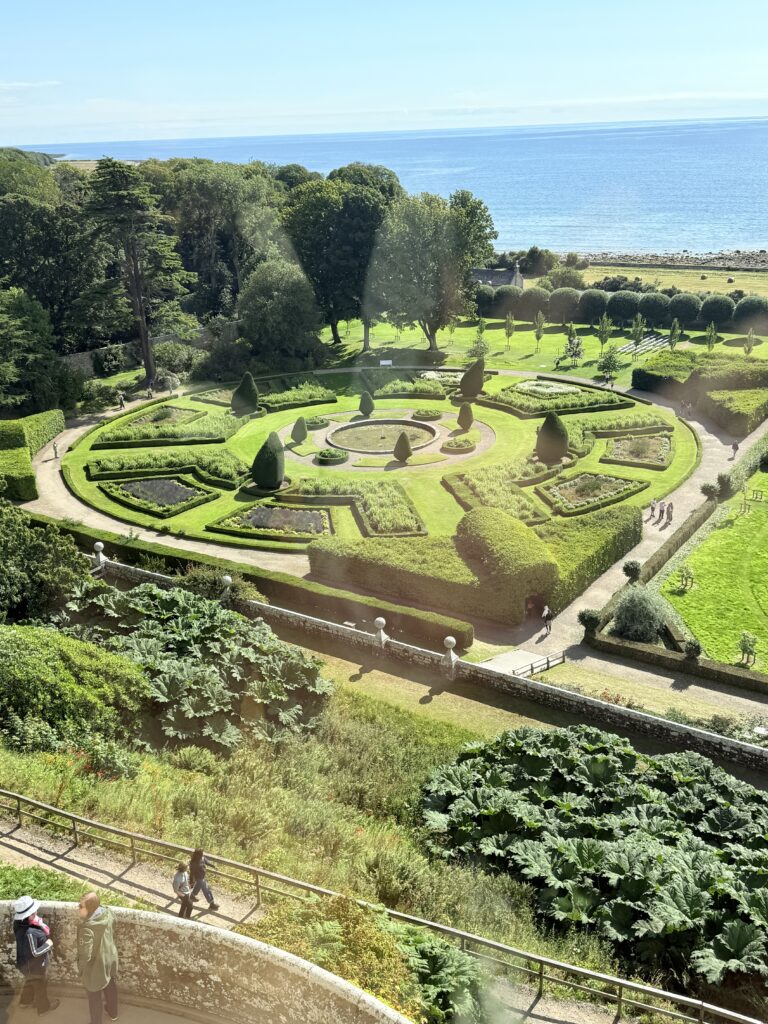
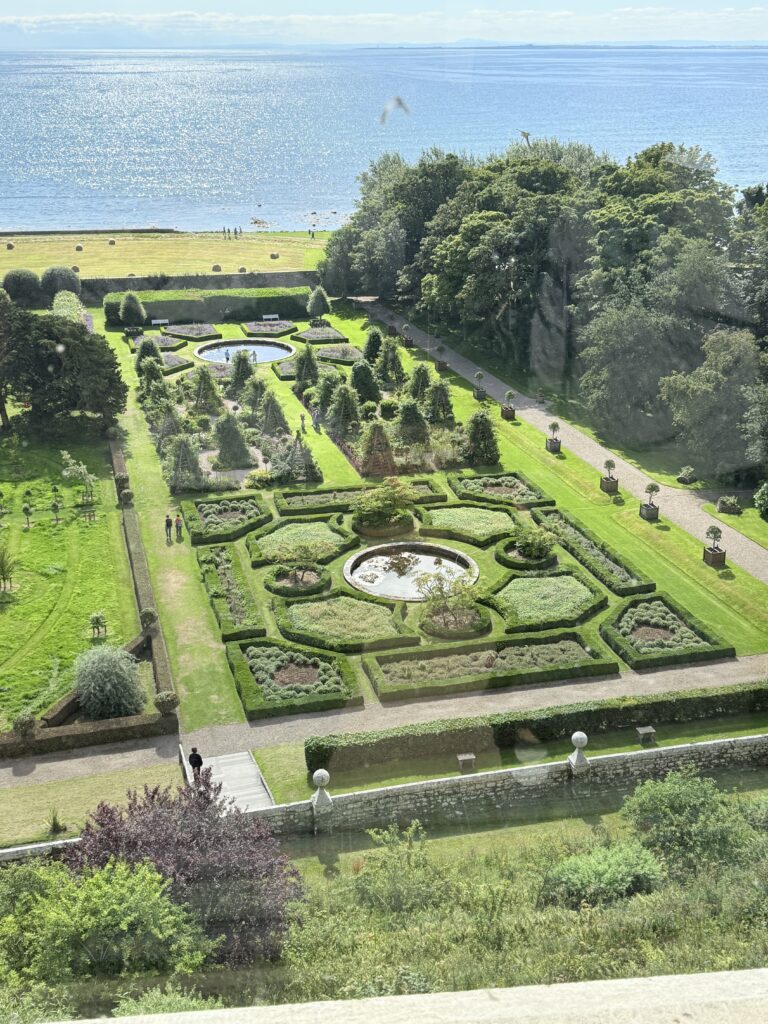
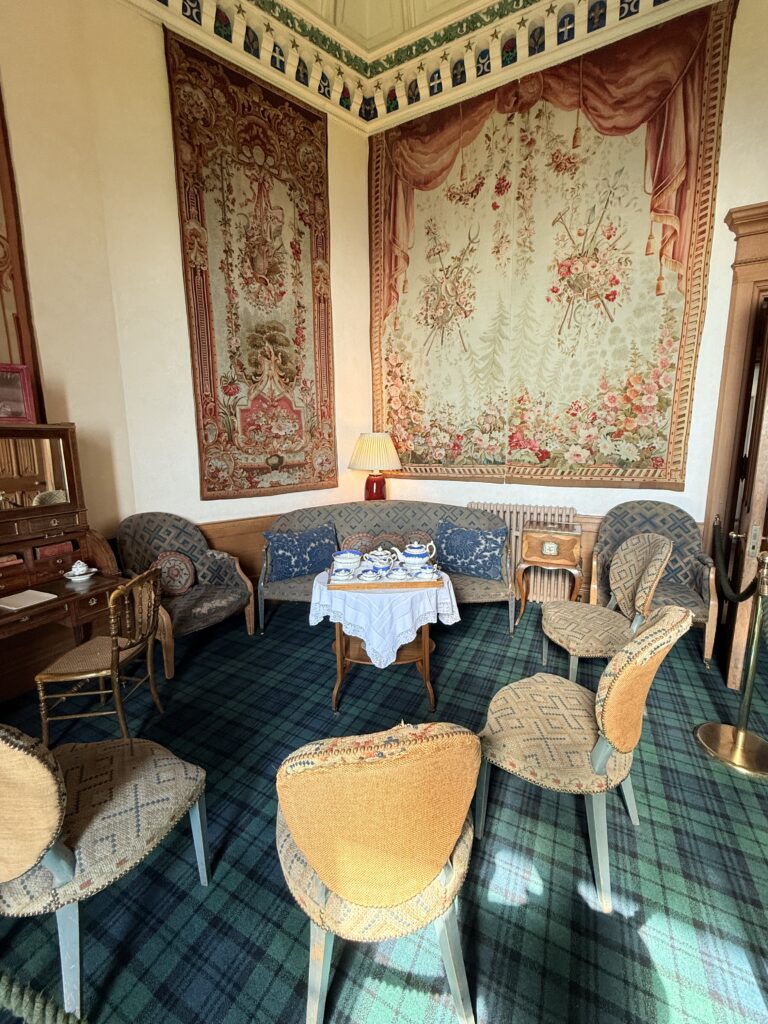
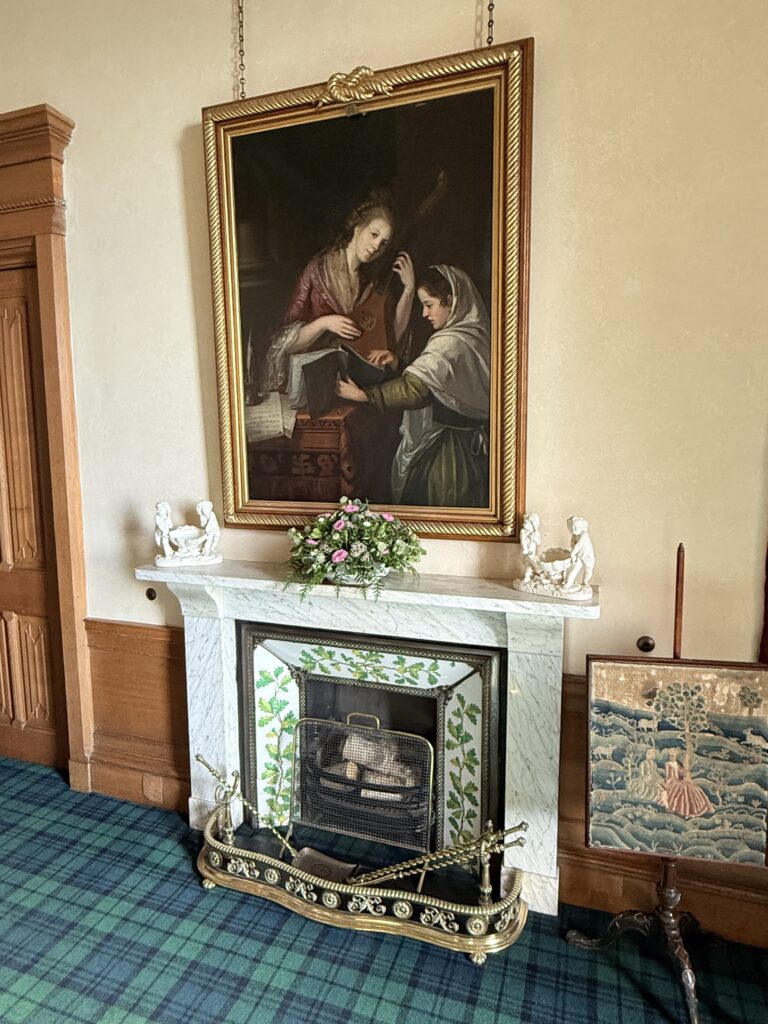
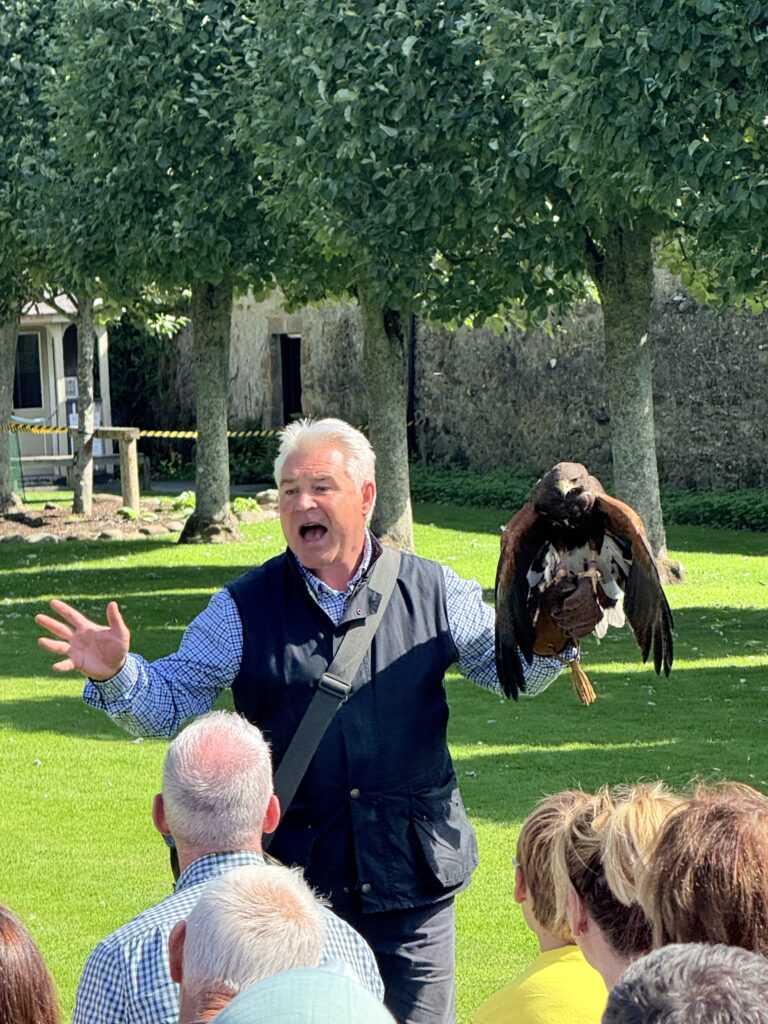
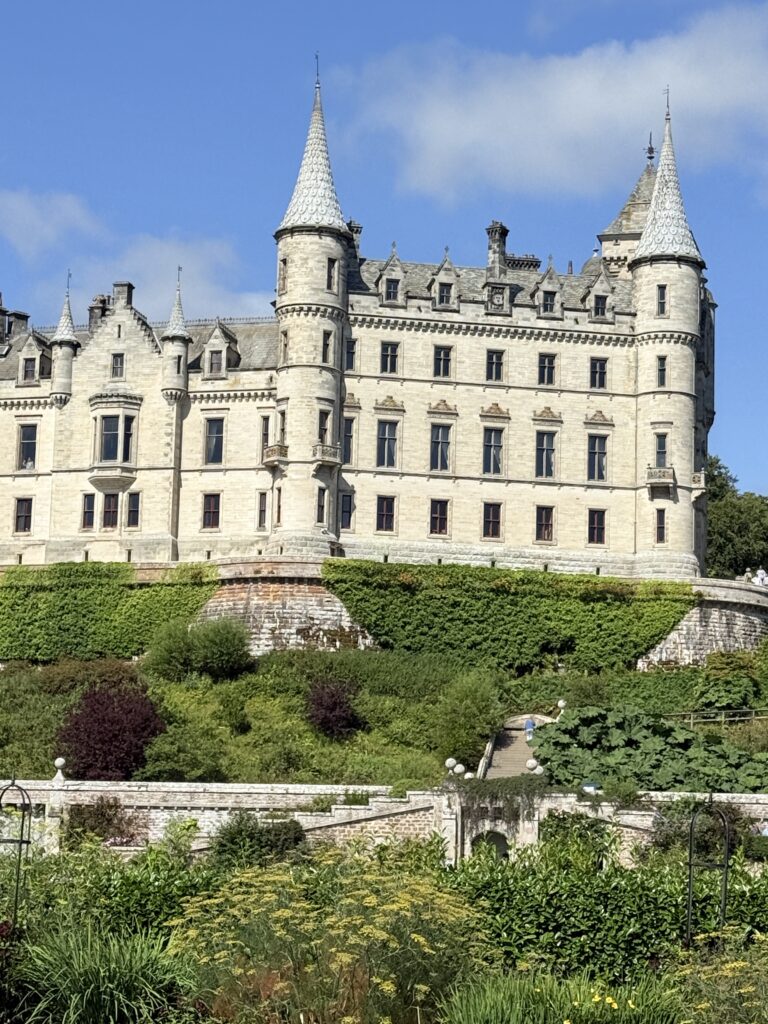
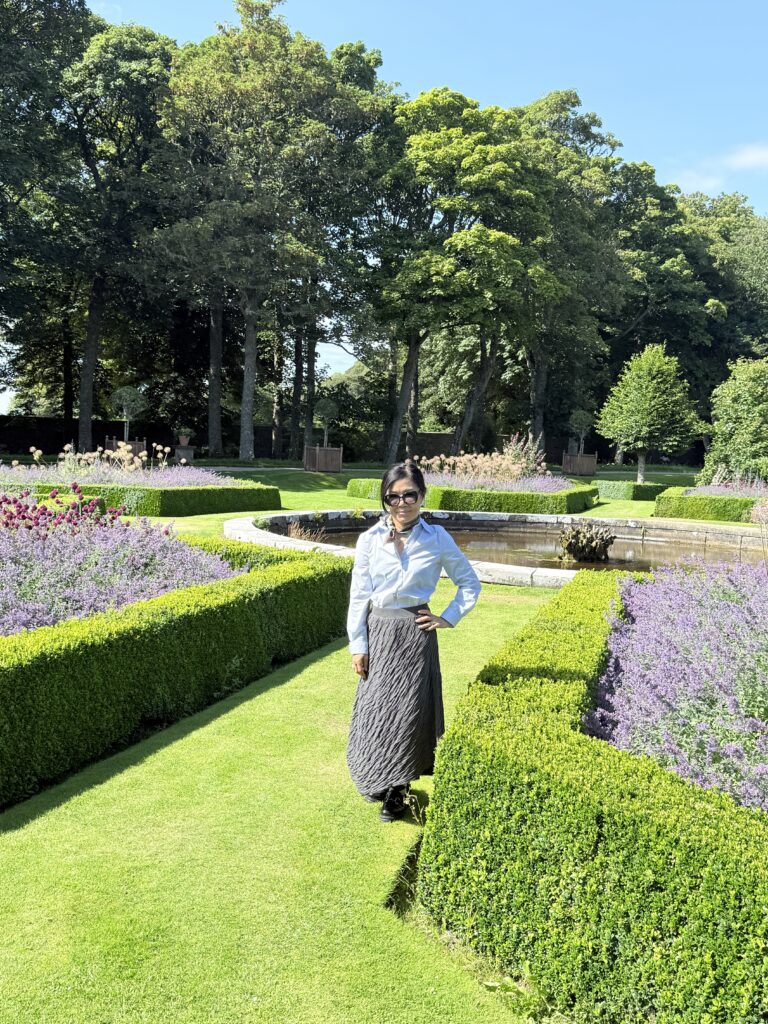
Dunrobin Castle, near Golspie, is one of Scotland’s largest and most striking castles. The castle dates back to the early 1300s as the seat of the Earls and later Dukes of Sutherland. Its current fairy-tale style, with conical spires, comes from 19th-century remodeling by architect Sir Charles Barry (also designed the Houses of Parliament). Dunrobin’s gardens are majestic and were inspired by the Palace of Versailles, with formal parterres overlooking the Moray Firth.
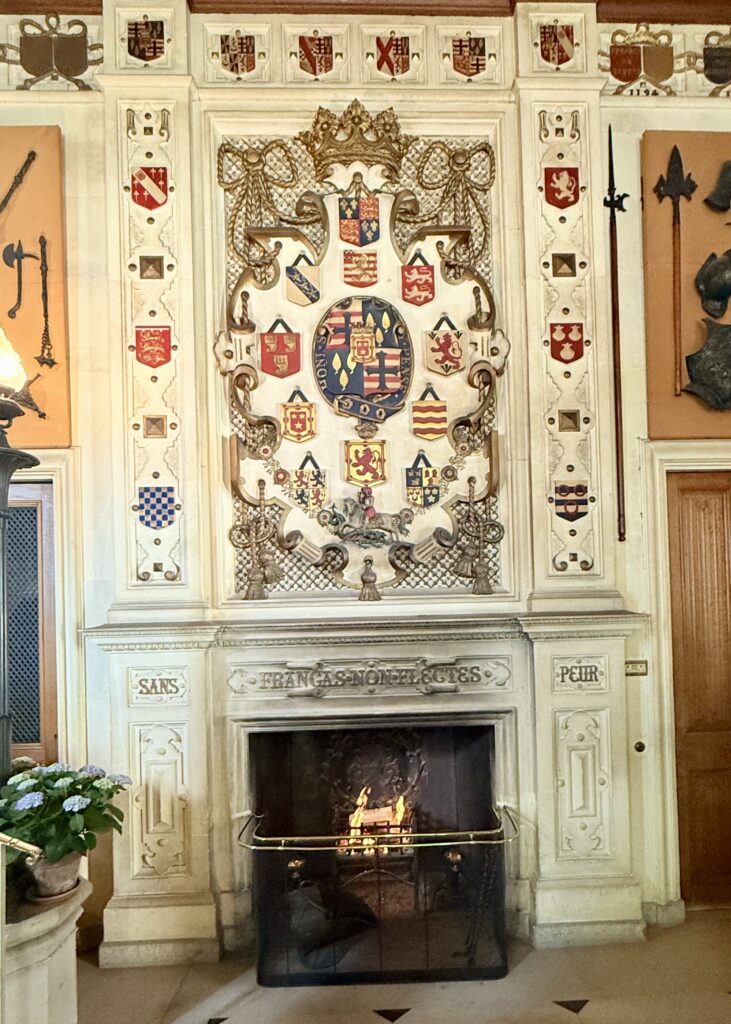
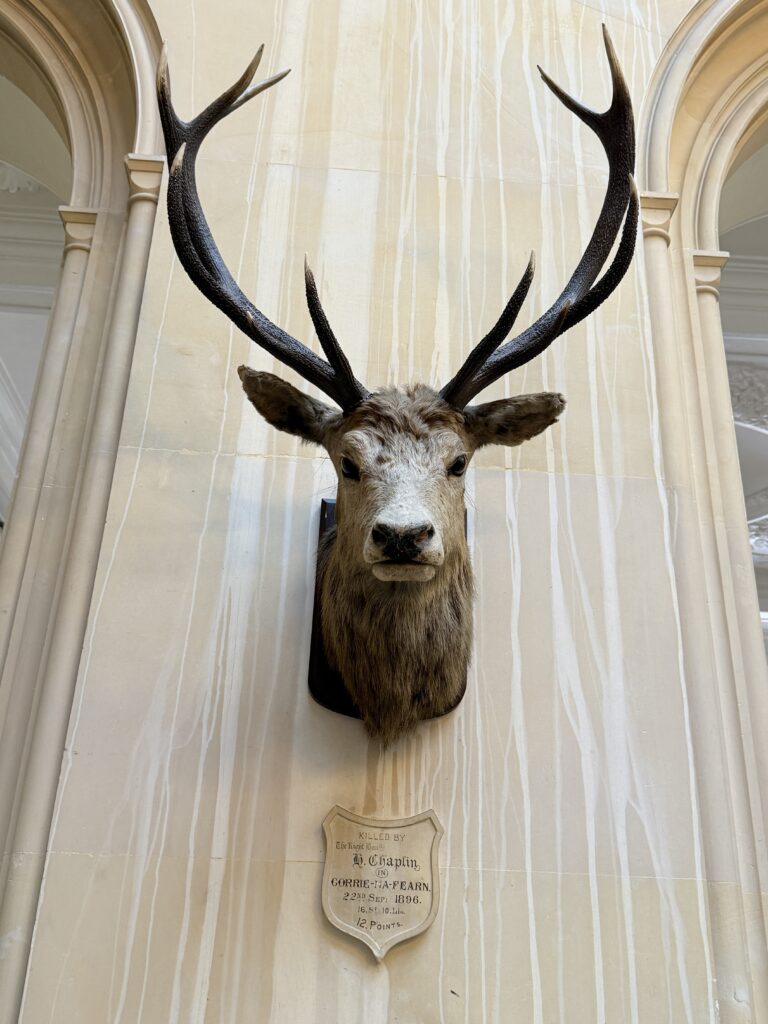
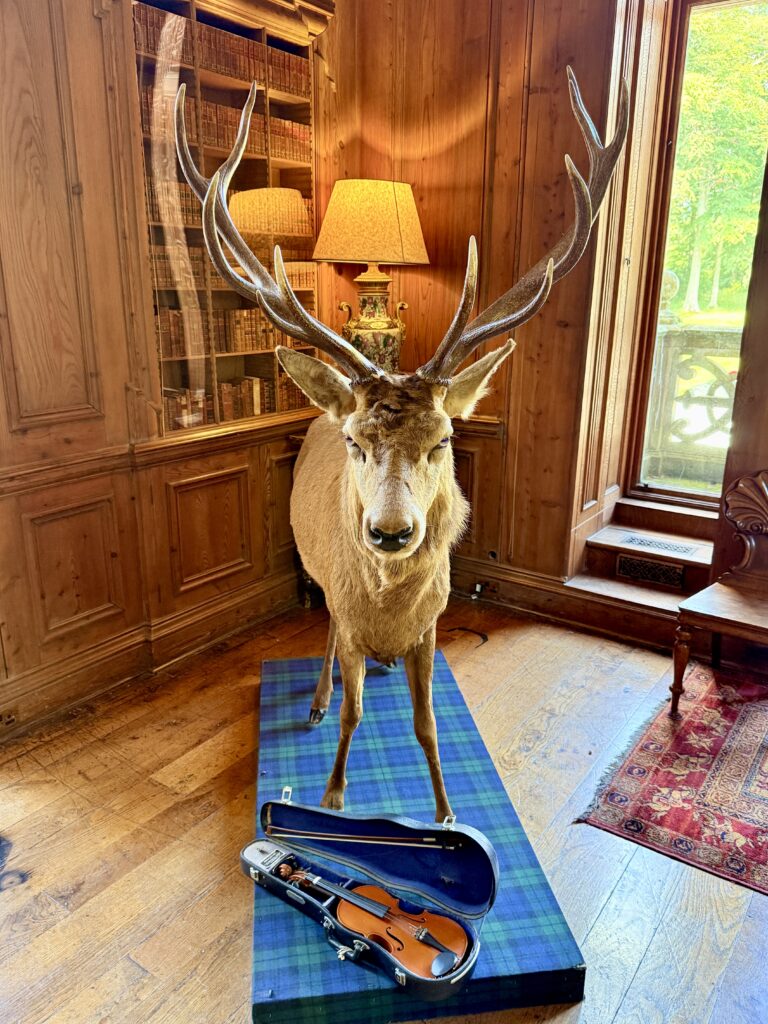
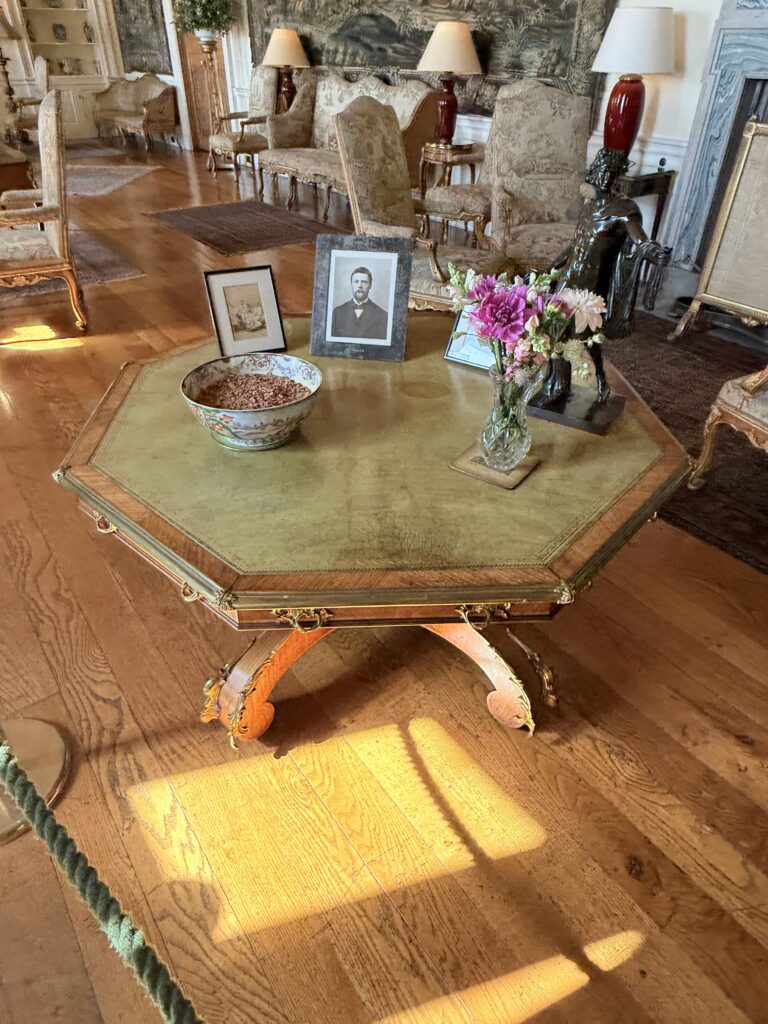
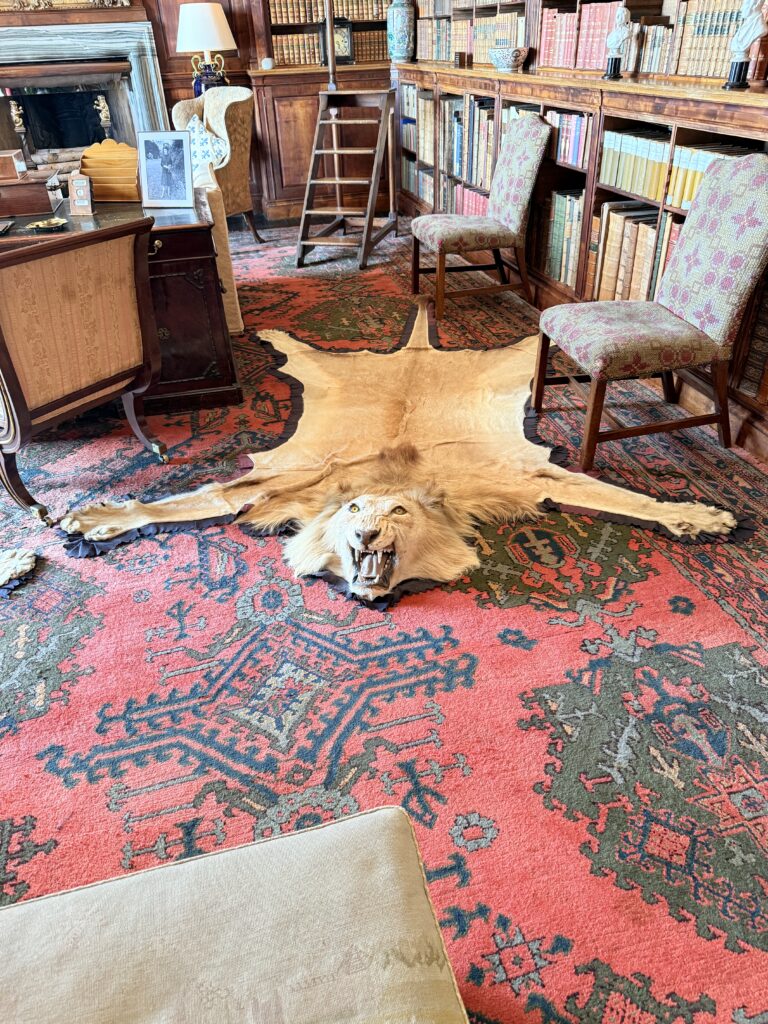
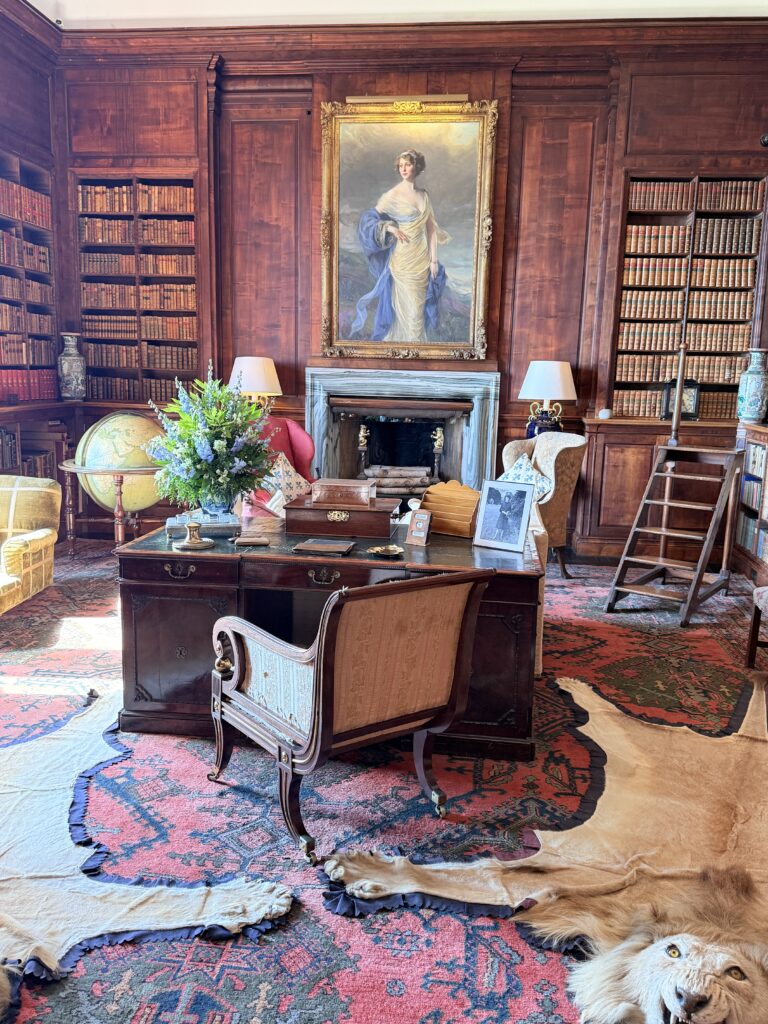
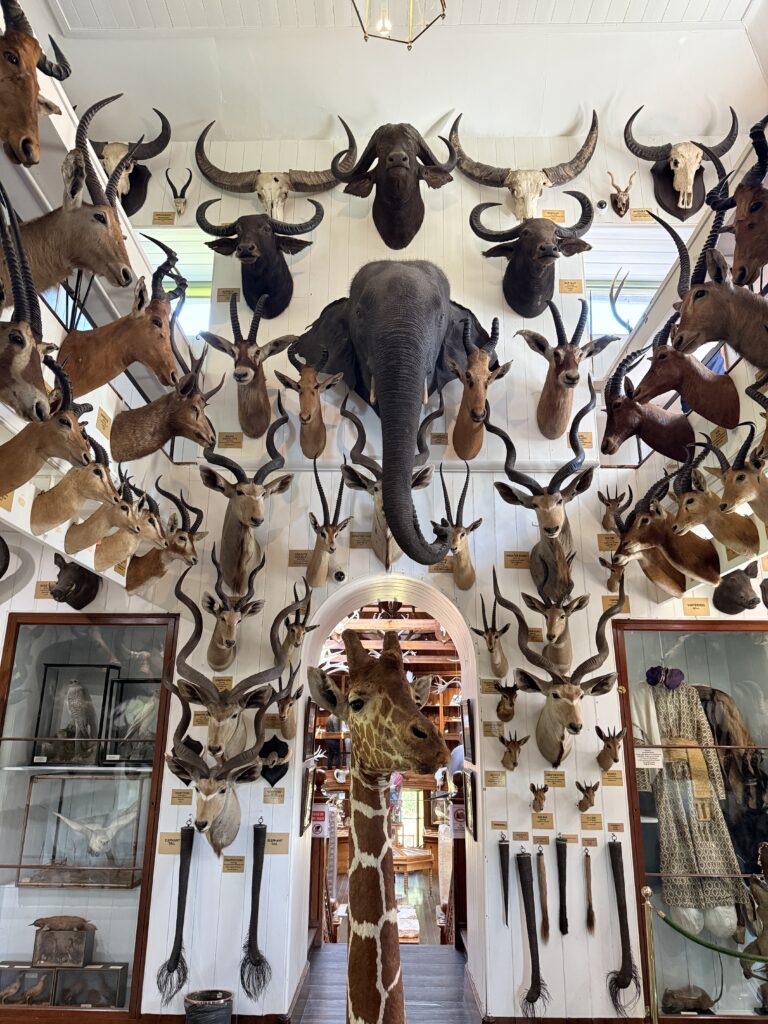
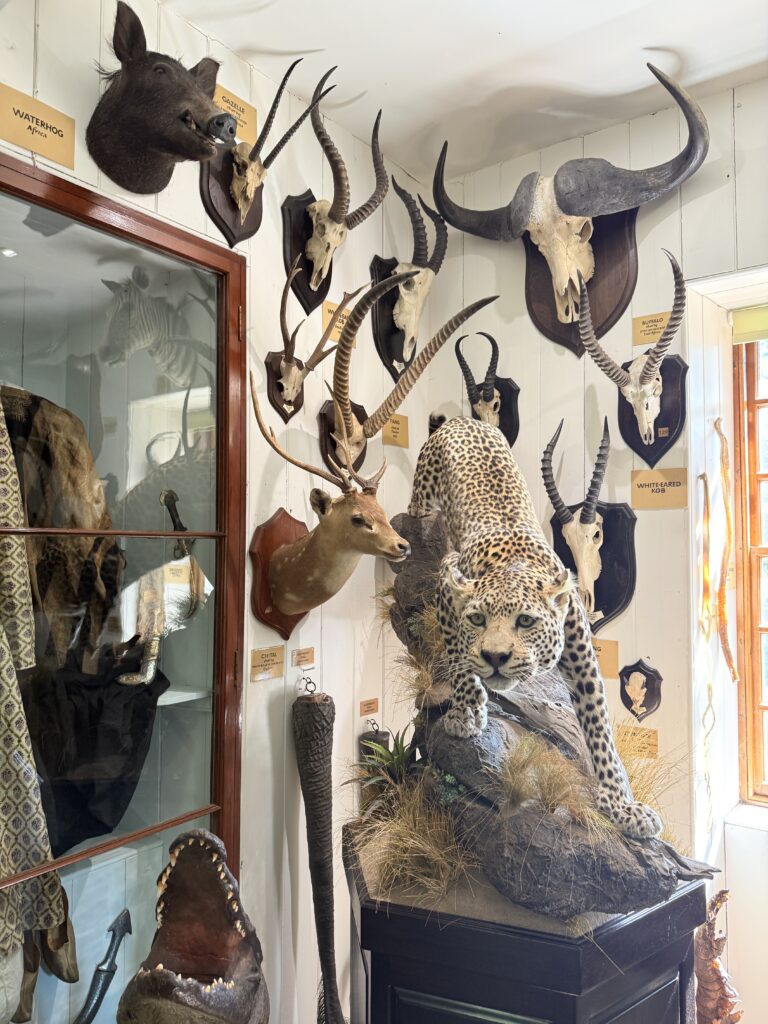
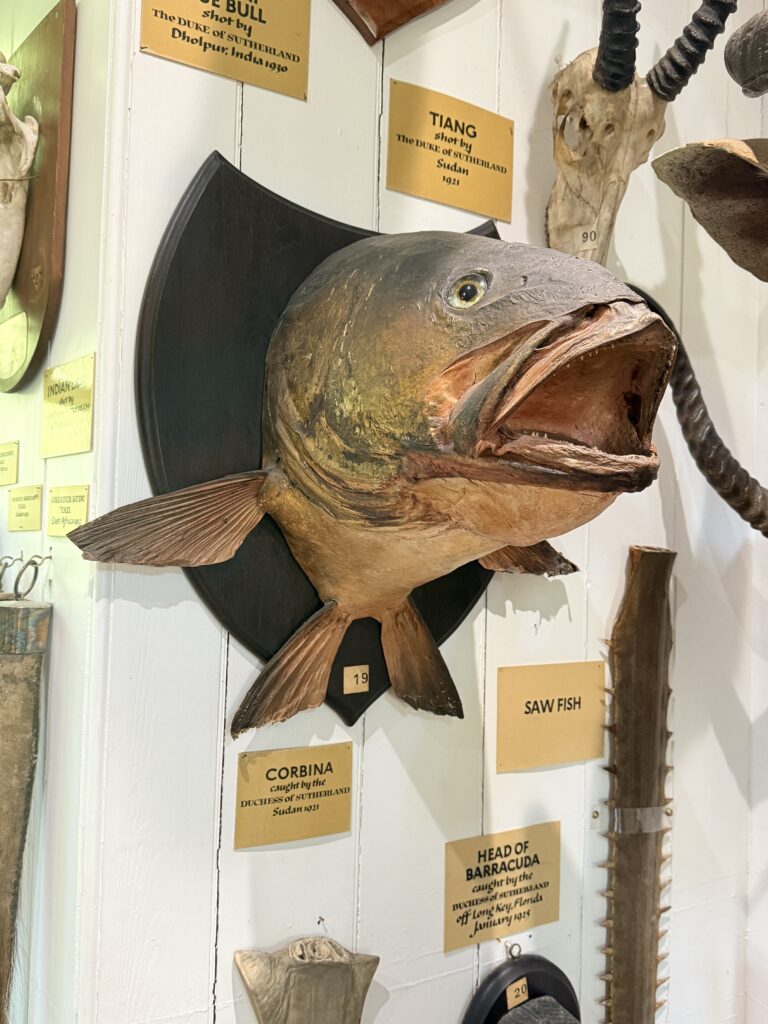
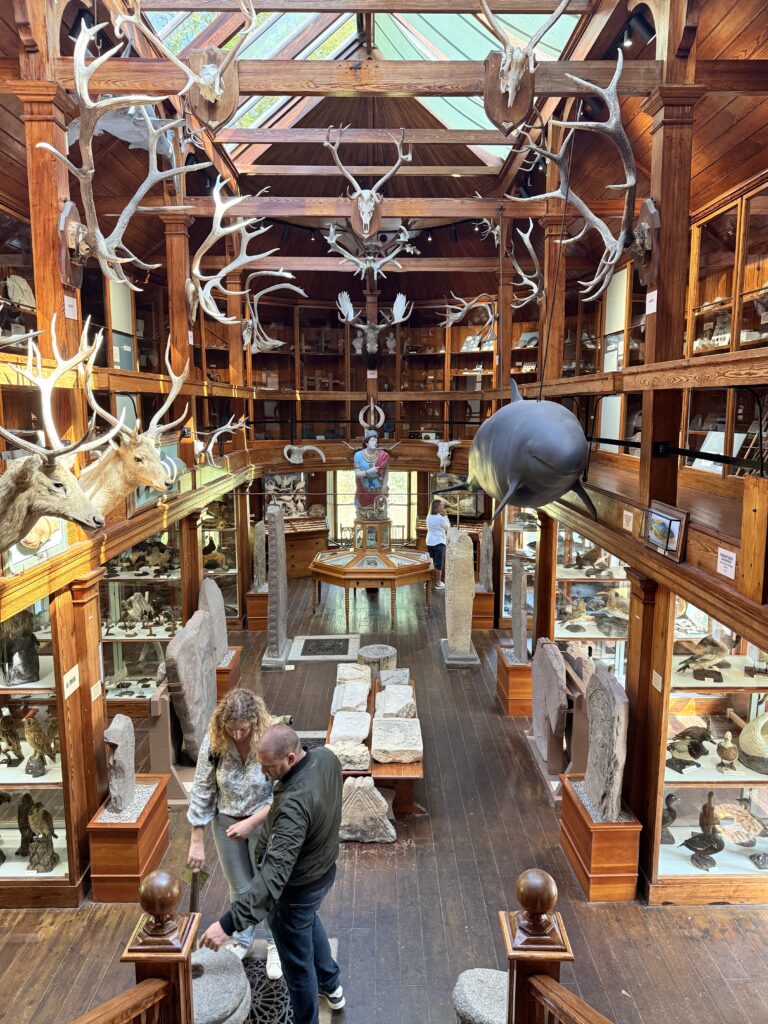
This place comes straight from fairy tales, and really demonstrates the wealth and power of the Sutherland family. Out of curiosity, I looked the family up and dependents are still around, and although they do not live in the castle they still retain ownership. The family was also avid hunters and collectors all over the world and the interior reflects this passion. This is a “must see” piece of history.
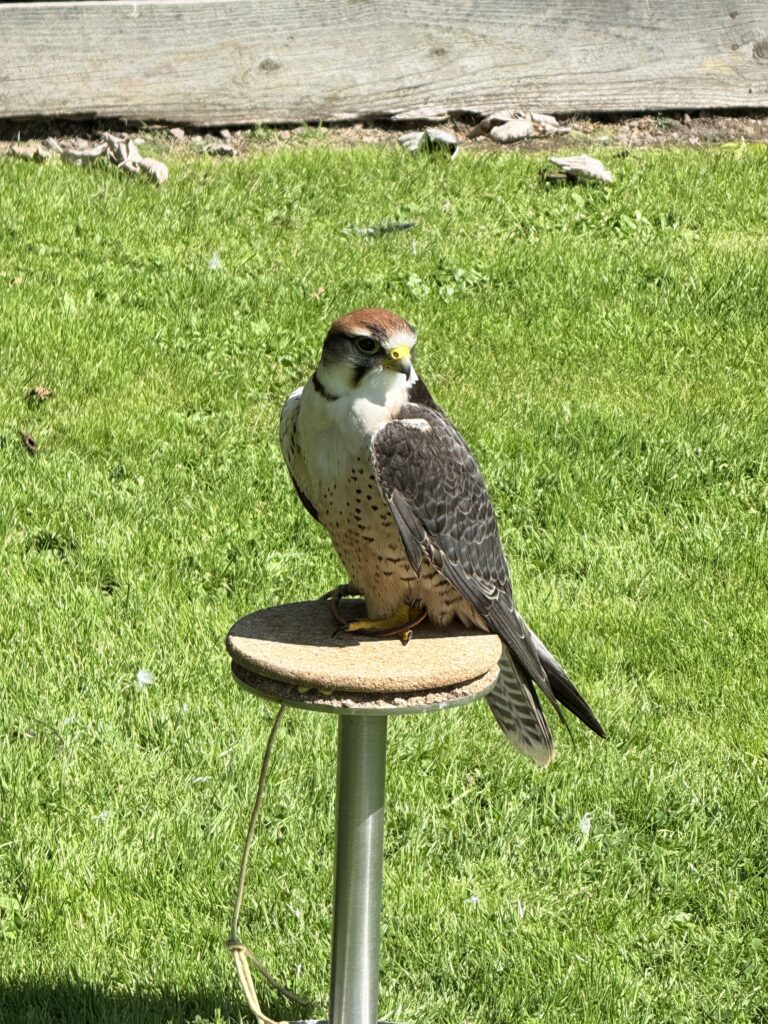
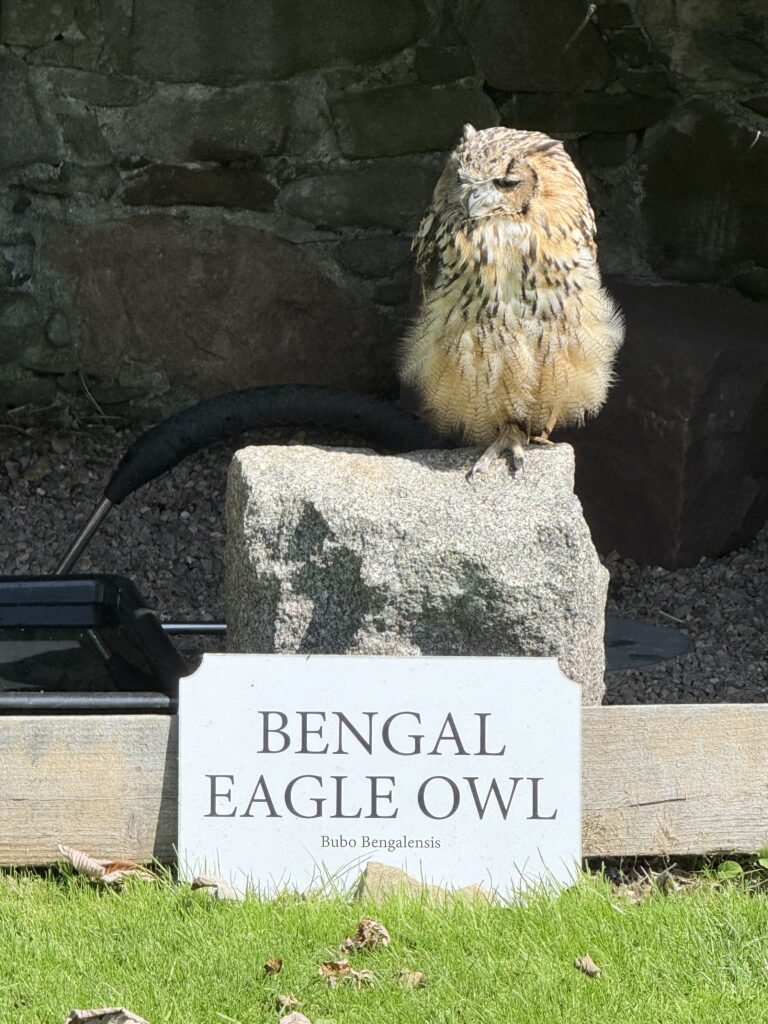
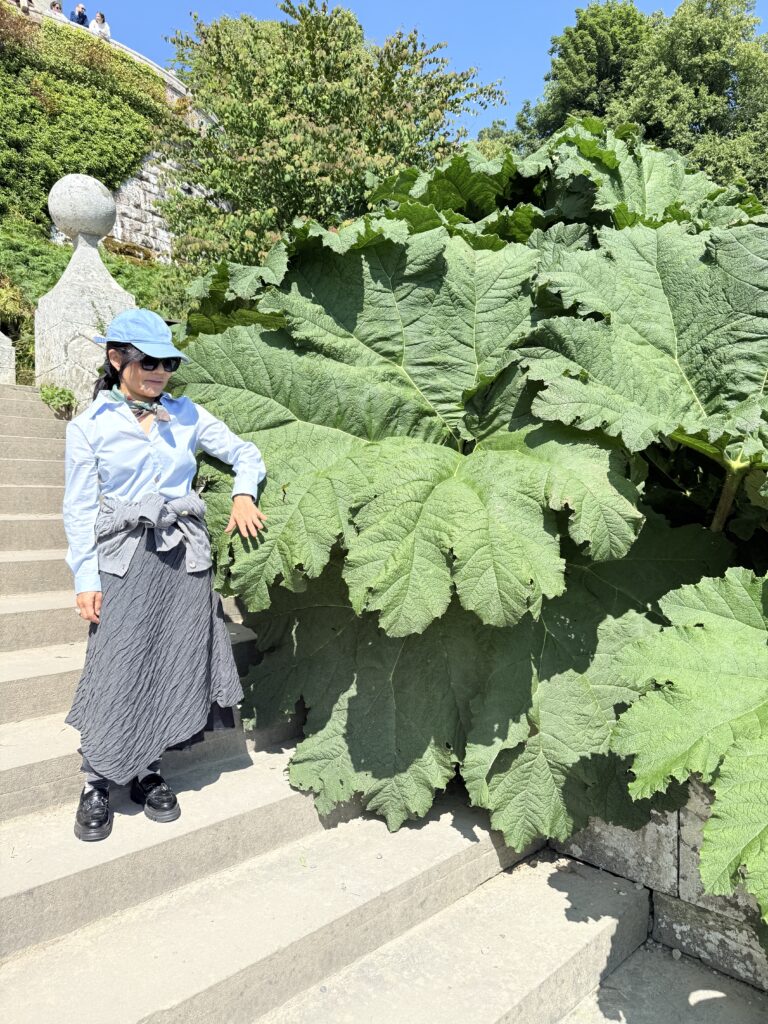
Our stay in Thurso was a bit more exciting than expected. Due to the storm, the hotel lost power overnight and several trees fell. The next morning we boarded a rocking ferry to Orkney.
Orkney Island, Kirkwall
Orkney is a group of about 70 islands located 10 miles north of mainland Scotland across the Pentland Firth. Around 20 islands are inhabited. It is rich in history, with world-class Neolithic sites such as Skara Brae, Maeshowe, the Standing Stones of Stenness, and the Ring of Brodgar. Orkney was under Norwegian rule until 1472, and its Norse heritage is still visible in place names, traditions, and architecture. The landscape mixes rugged cliffs, sandy beaches, fertile farmland, and dramatic sea stacks like the Old Man of Hoy. Wildlife includes puffins, seals, whales, and large seabird colonies.
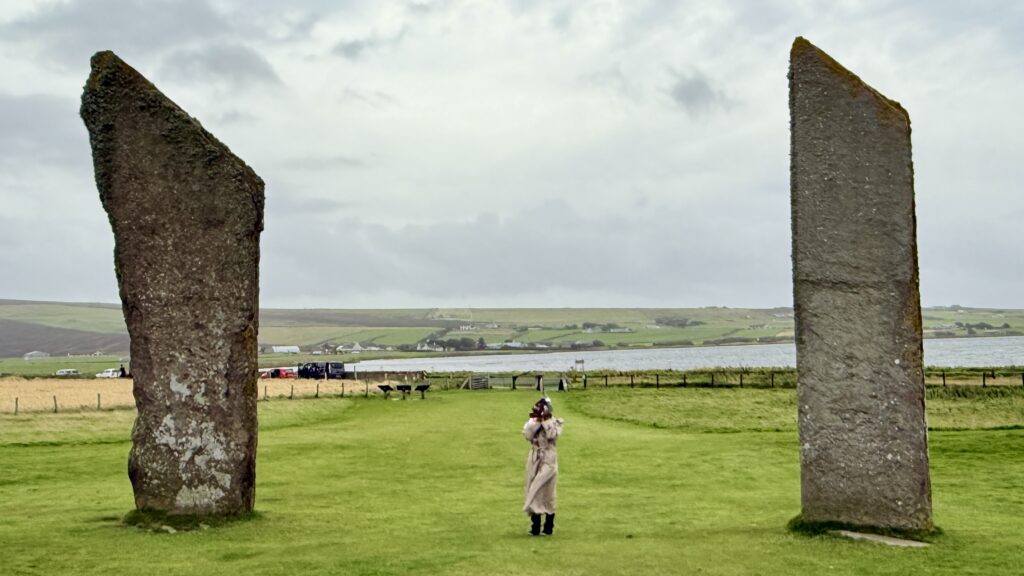
The Stones of Stenness are a Neolithic stone circle on Mainland Orkney, about 5,000 years old and among the earliest in Britain. The original monument had 12 massive stones set in an oval, but only 4 remain standing today, some up to 6 metres (20 feet) tall. Their exact purpose is unknown, though they were likely used for ceremonial or ritual gatherings, possibly linked to seasonal events or ancestor worship. The stones were nice but it was too windy and cold to spend much time.
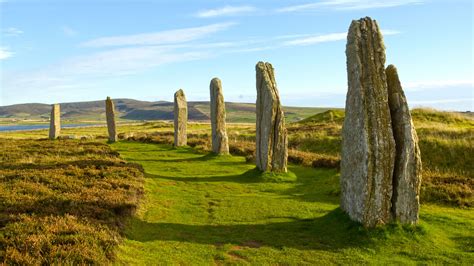
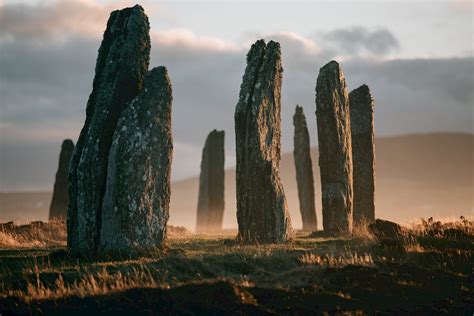
The Ring of Brodgar is a large Neolithic stone circle on Mainland Orkney, estimated to be around 4,500 years old. It originally consisted of 60 standing stones arranged in a near-perfect circle about 104 metres (341 feet) in diameter, though 36 stones remain today. The circle is surrounded by a deep ditch cut into the bedrock, suggesting significant effort and planning in its construction. Its purpose is not certain, but it is believed to have been a ceremonial or ritual site, possibly linked to astronomy or seasonal events. The ring is very close to the Stones of Stenness and are even more impressive. The photos below are borrowed from Google and are not mine. Due to the size of the circle you really can’t get a great picture without a drone.
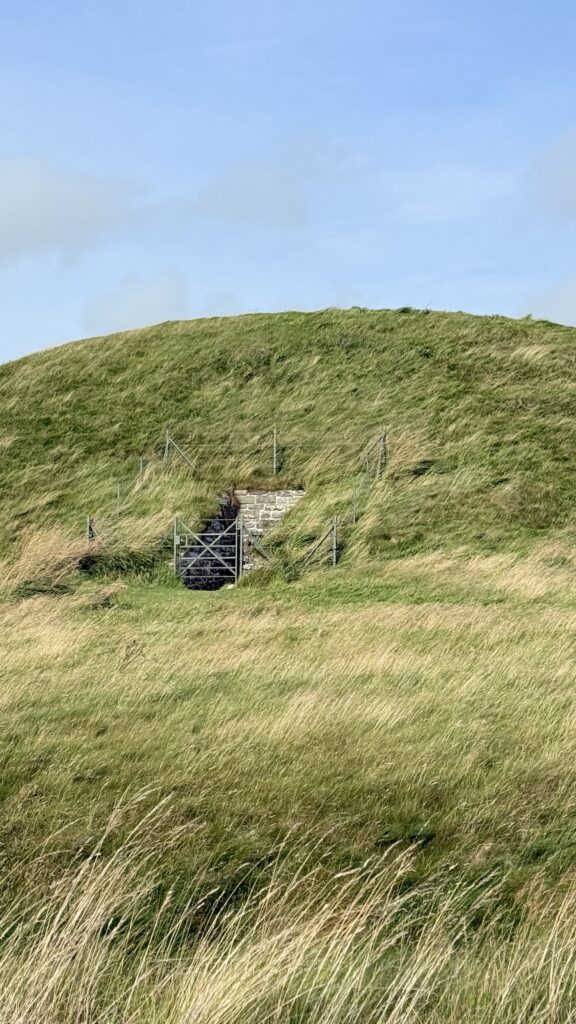
Maeshowe is a large Neolithic chambered cairn and passage grave on Mainland Orkney, built around 2800 BC. It consists of a long stone passage leading to a central square chamber with three small side cells. The structure is aligned so that the setting sun at the winter solstice shines directly down the passage into the chamber. In the 12th century, Vikings broke in and carved runic graffiti on the walls, creating the largest collection of runes found outside Scandinavia.
I have to be honest, this site was underwhelming. You have to take a shuttle just to get to it and as you approach you only see a large grass covered mound with a door. Once inside it is a single chamber and the carvings or “graffiti” is just not that impressive. Photography inside the Cairn is not allowed so here is a Google Link.
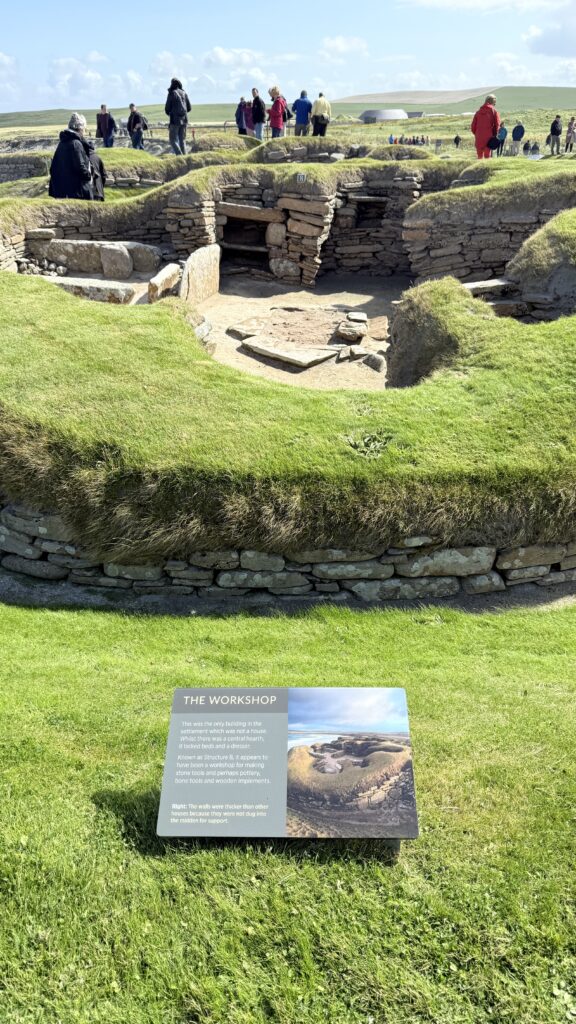
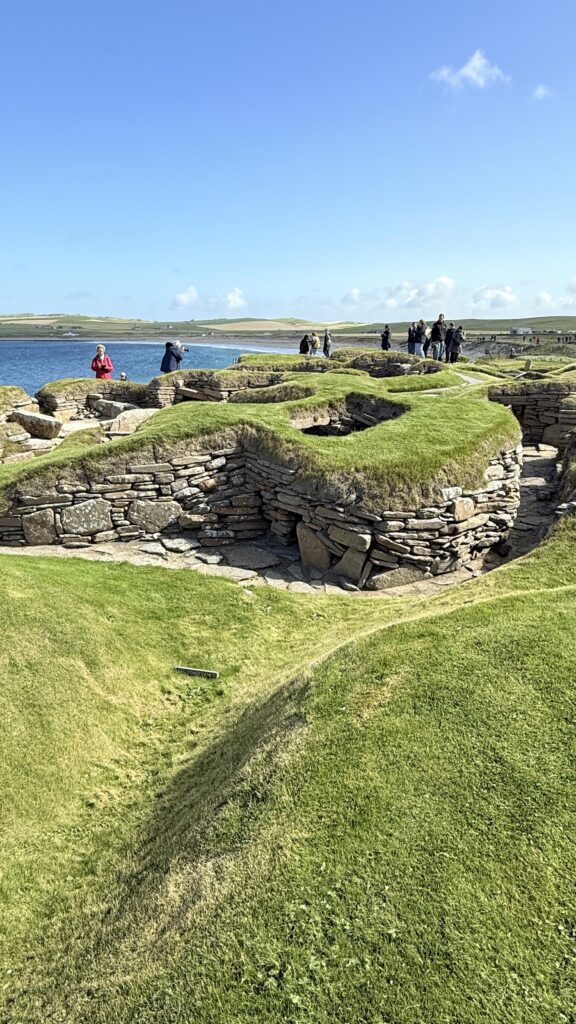
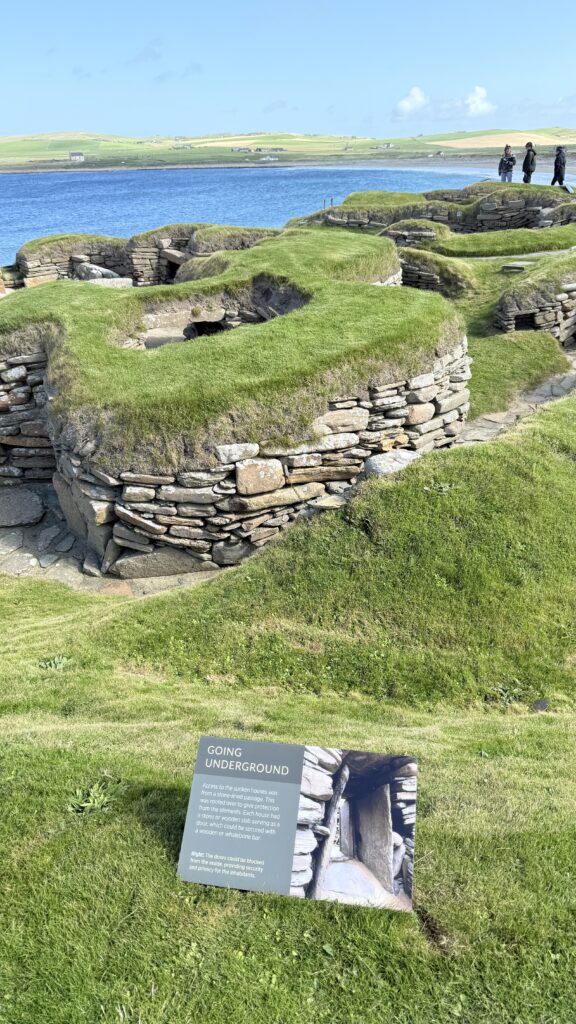
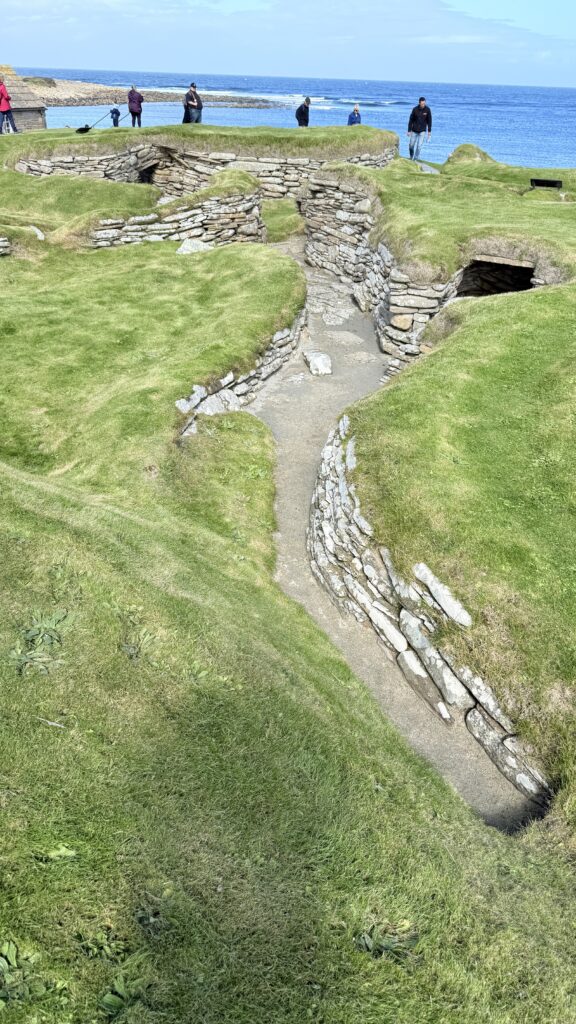
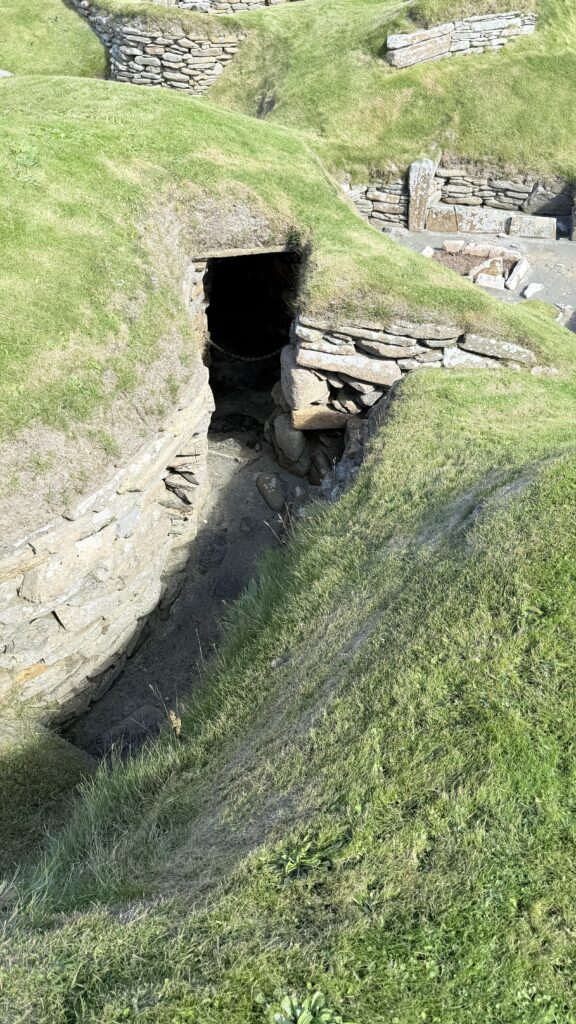
Skara Brae is a remarkably well-preserved Neolithic village, dating to around 3180–2500 BC. It consists of eight stone-built houses connected by covered passageways. Each home has stone furniture still in place, including beds, dressers, and storage boxes, showing how people lived over 5,000 years ago. The village was buried under sand for centuries, which helped protect it until a storm exposed it in 1850. Skara Brea predates the Egyptian Pyramids by centuries and is the oldest known village in Europe. We enjoyed our time here and even took a stroll on the beach
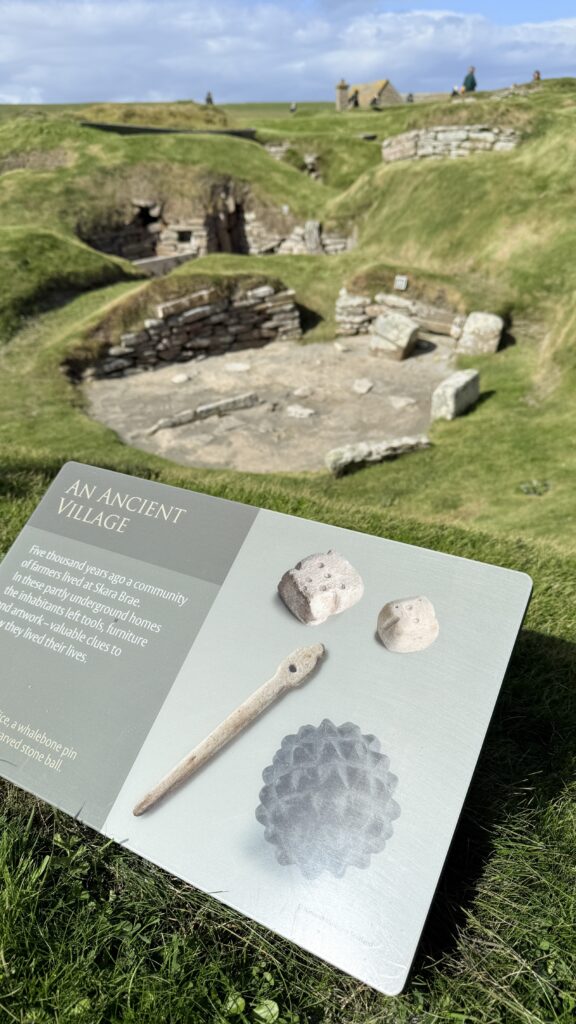
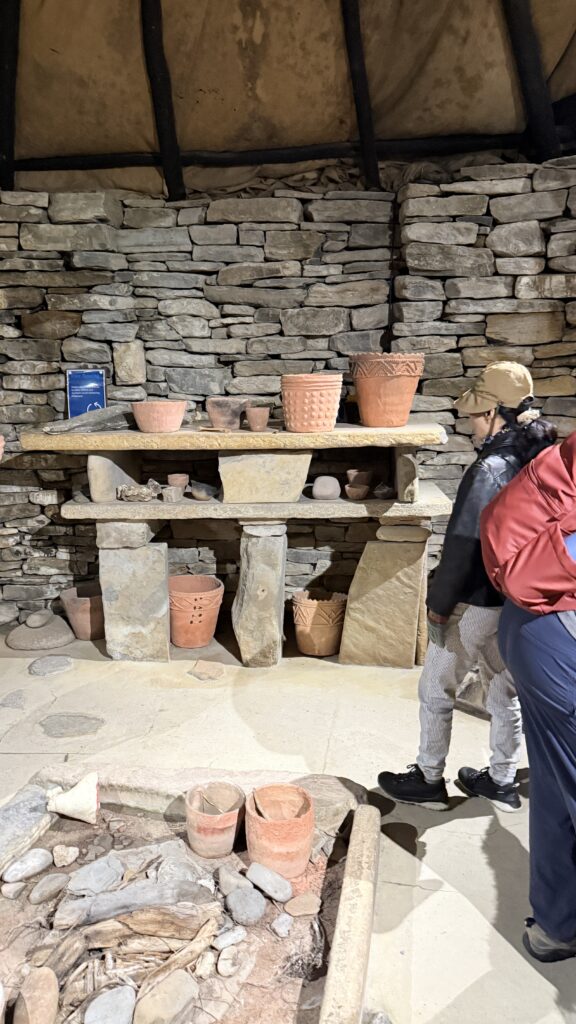
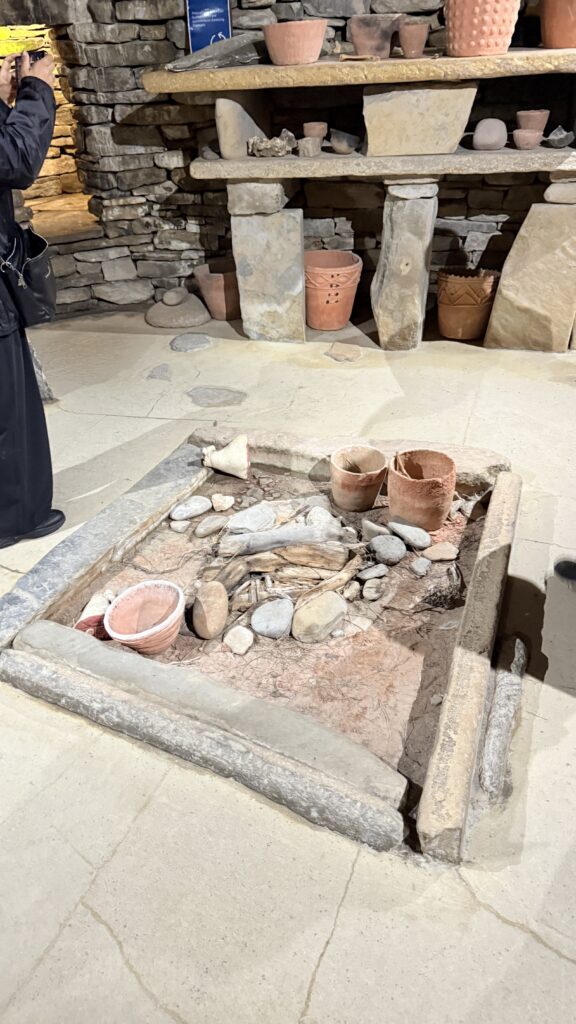
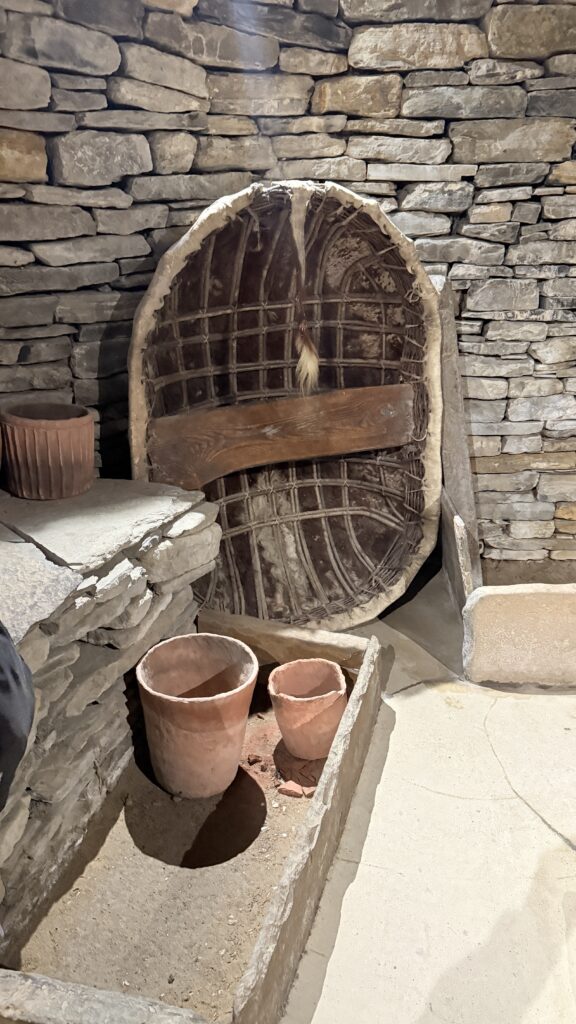
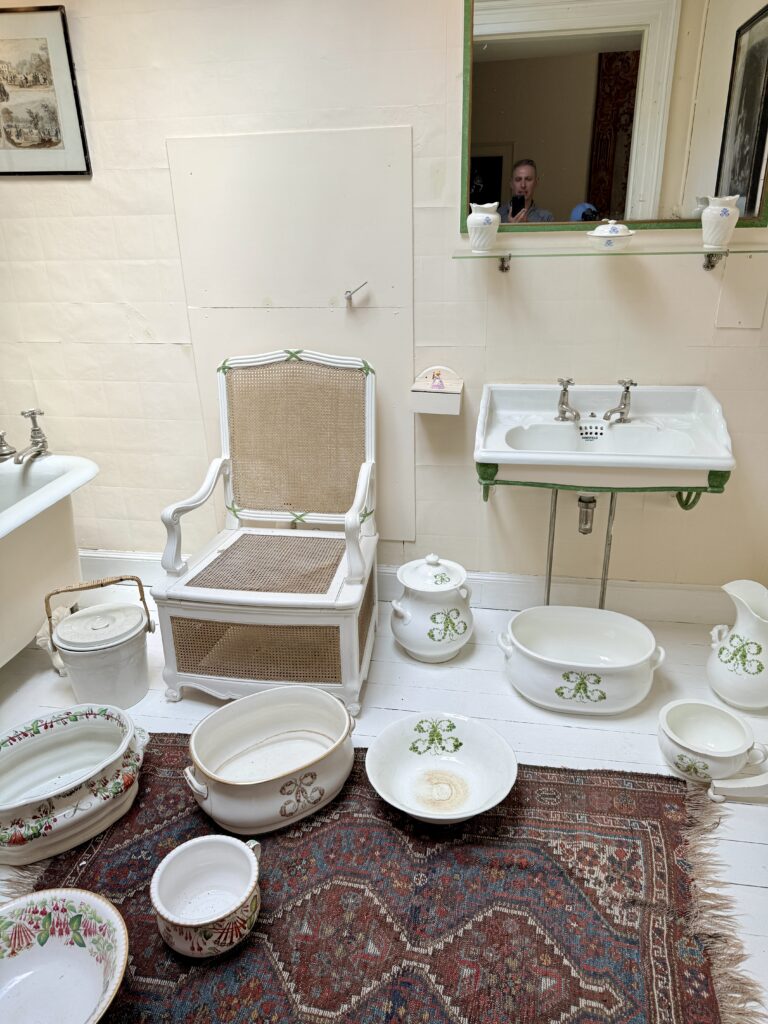
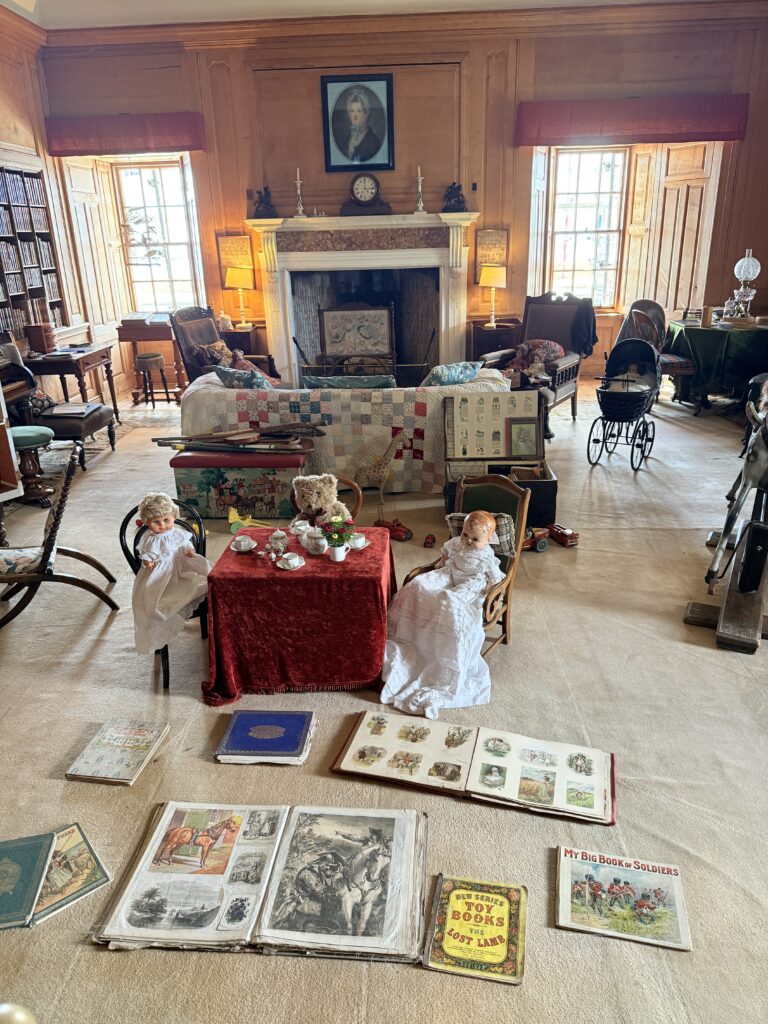
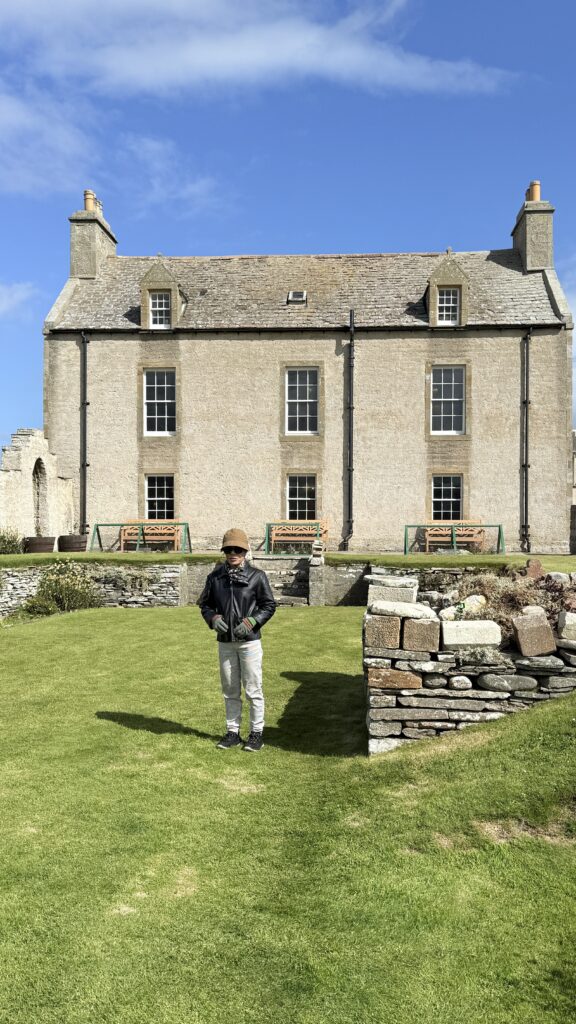
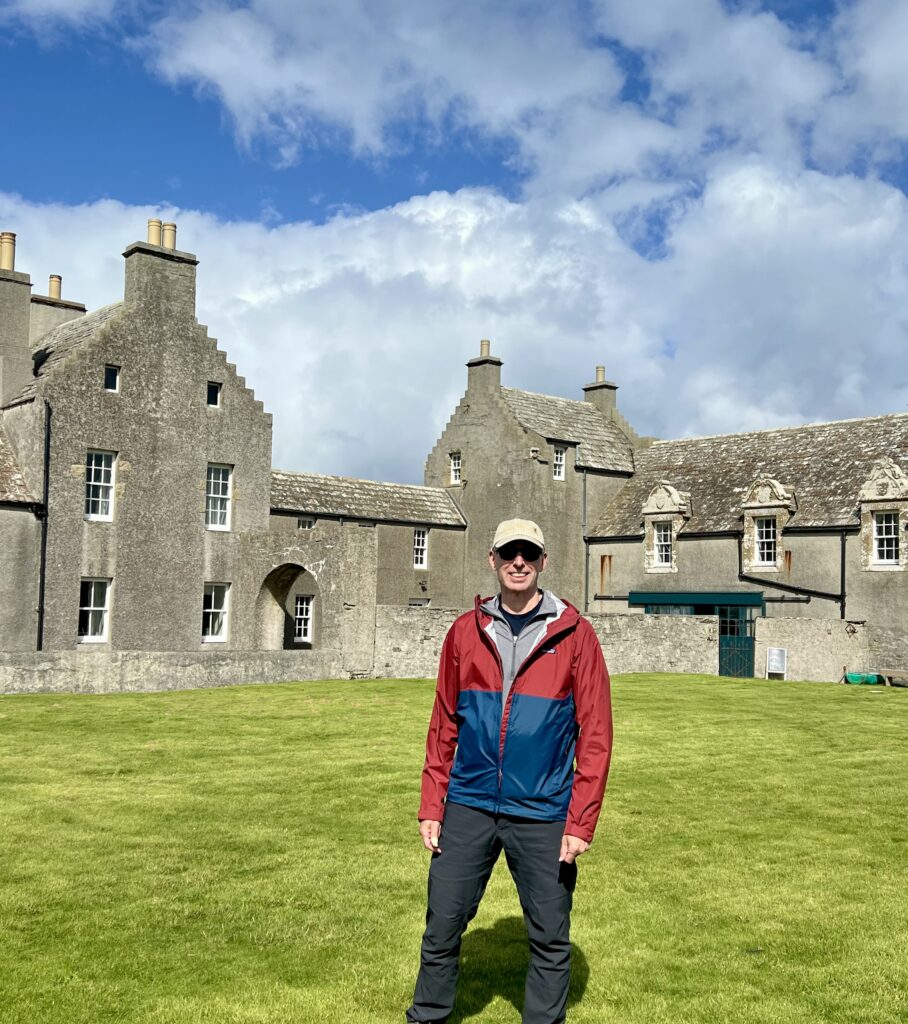
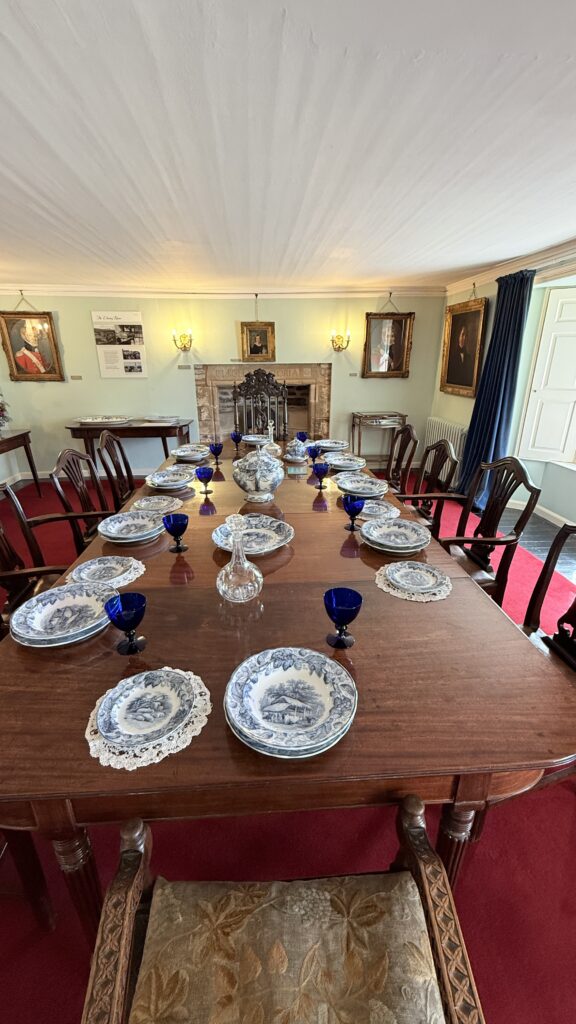
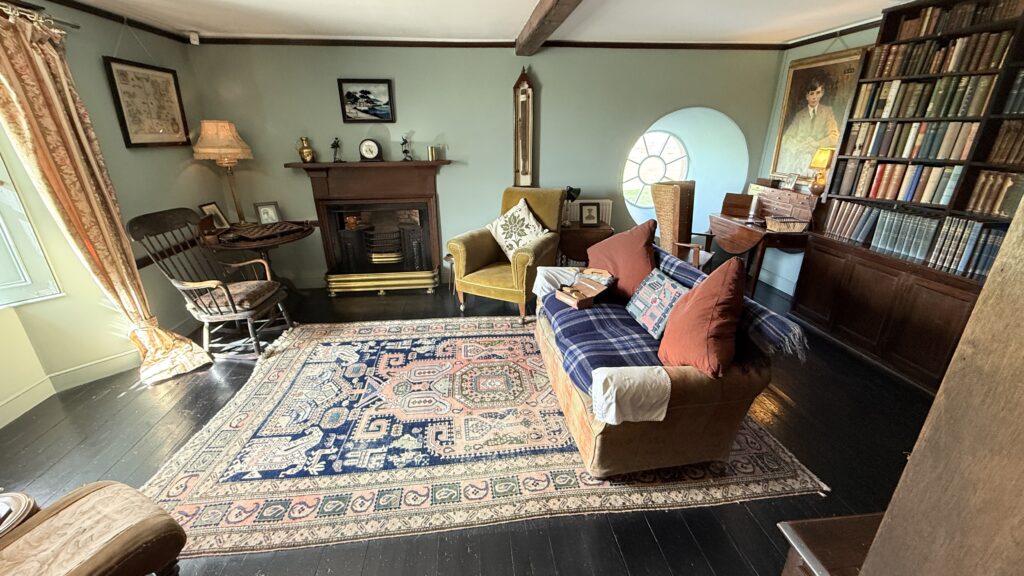
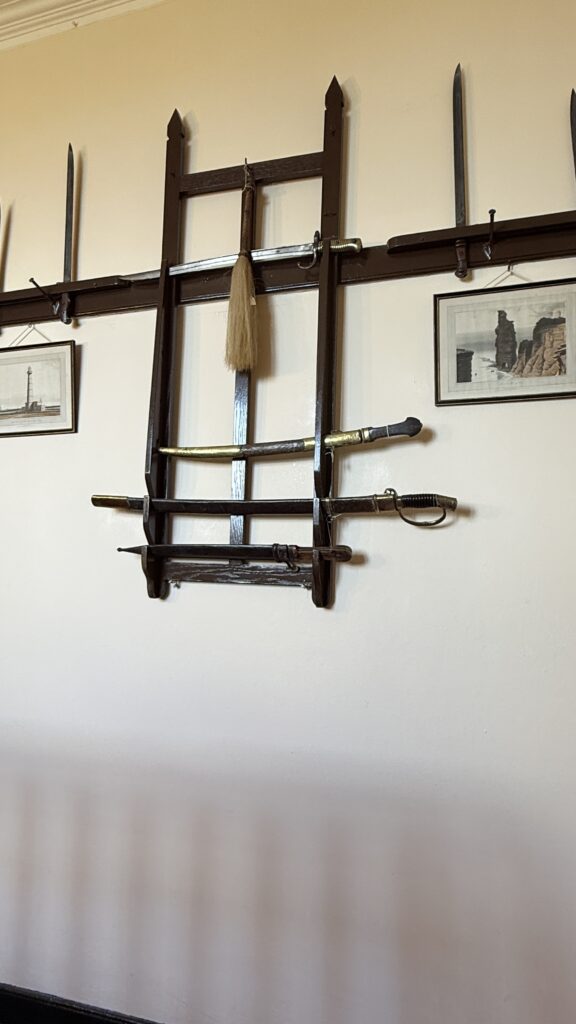
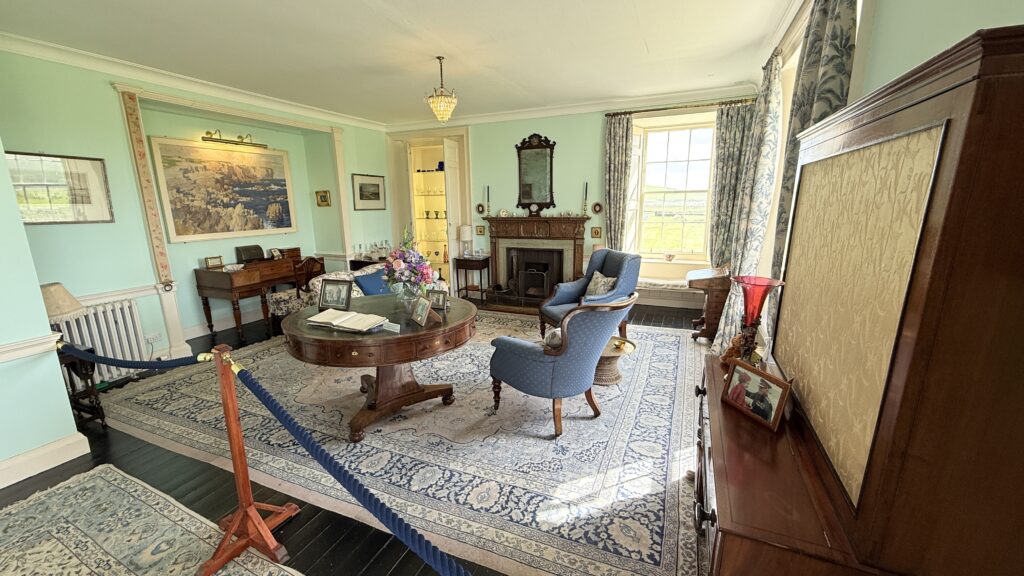
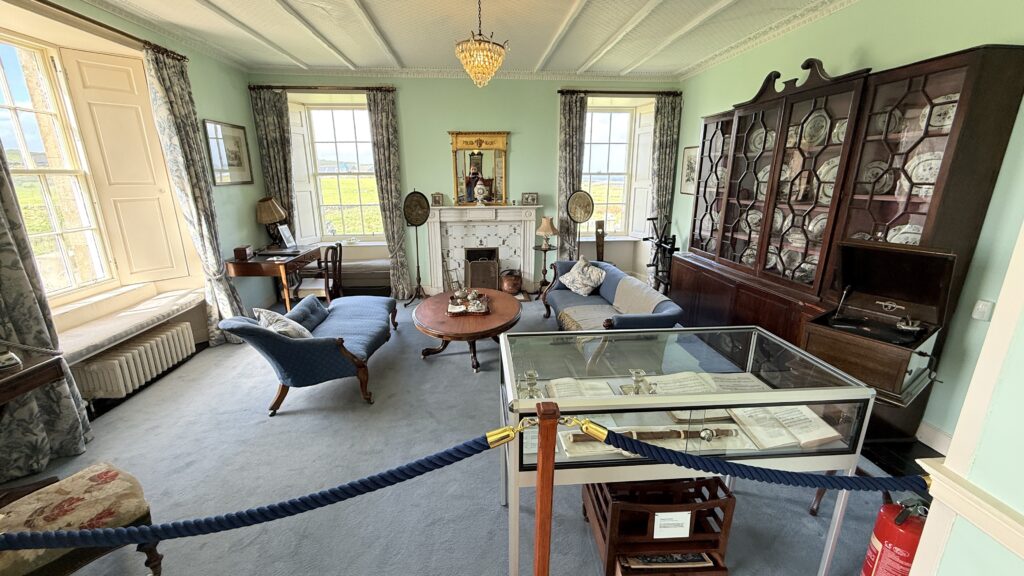
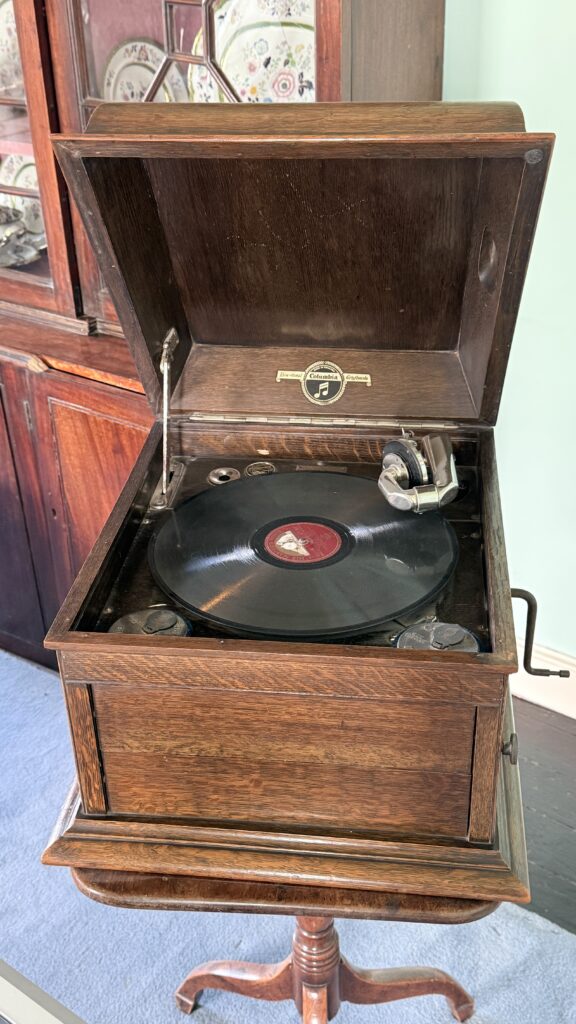
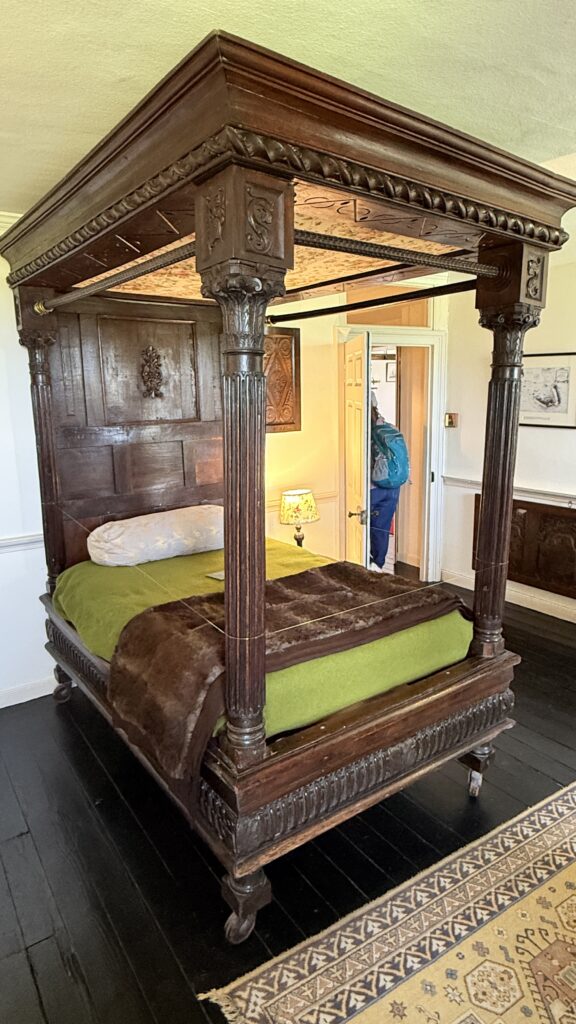
Next to Skara Brea is Skaill House. It’s a 17th-century manor built by Bishop George Graham in 1620, later home to the Laird of Skaill. Visitors to Skara Brae can also tour Skaill House, which contains period furnishings, artifacts, and items discovered during the excavation of the Neolithic site. This house felt like a home and it was fun to see who wealthy, but not over the top rich, people lived.
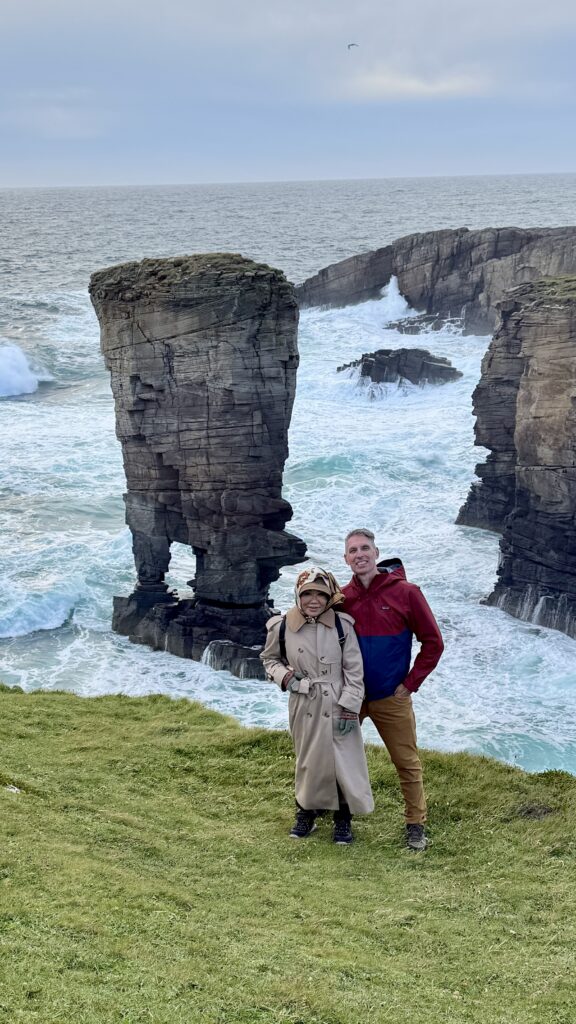
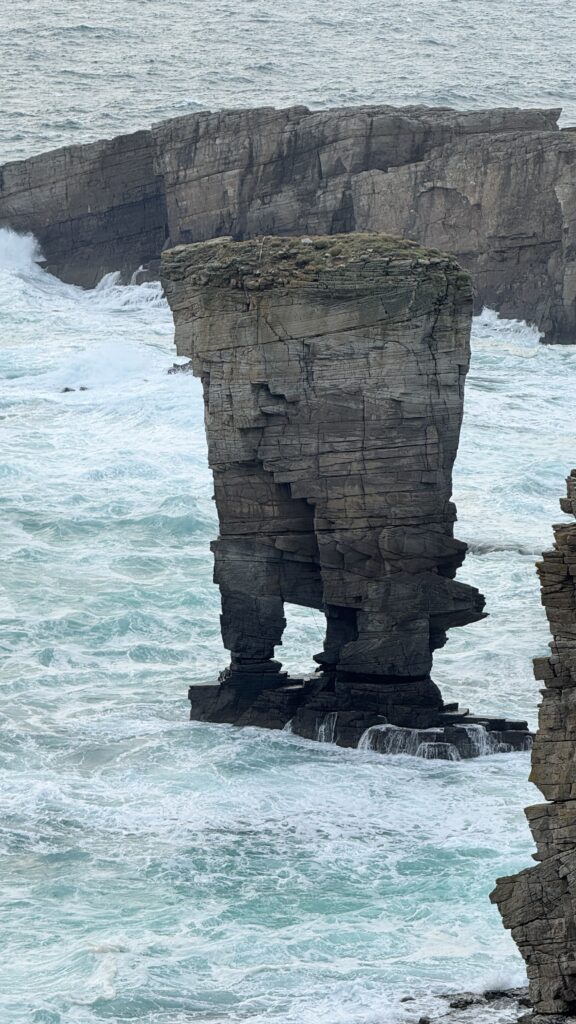
Yesnaby Castle
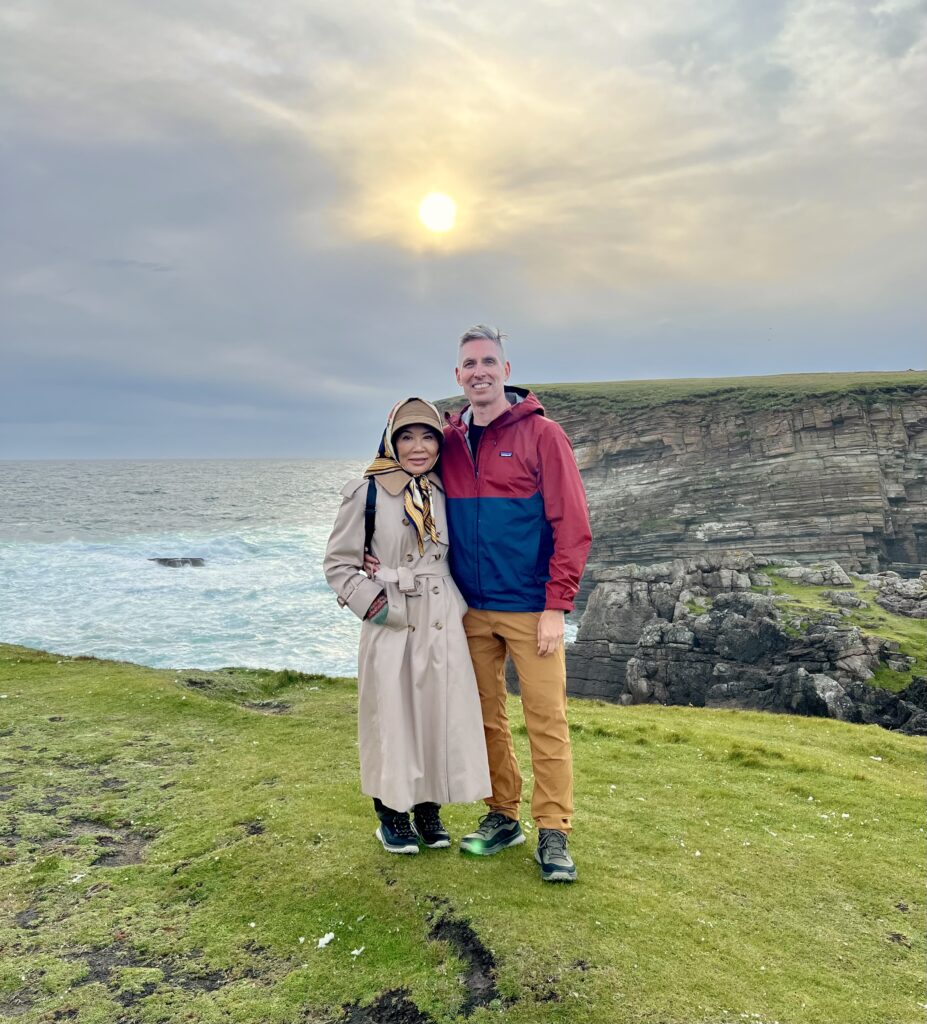
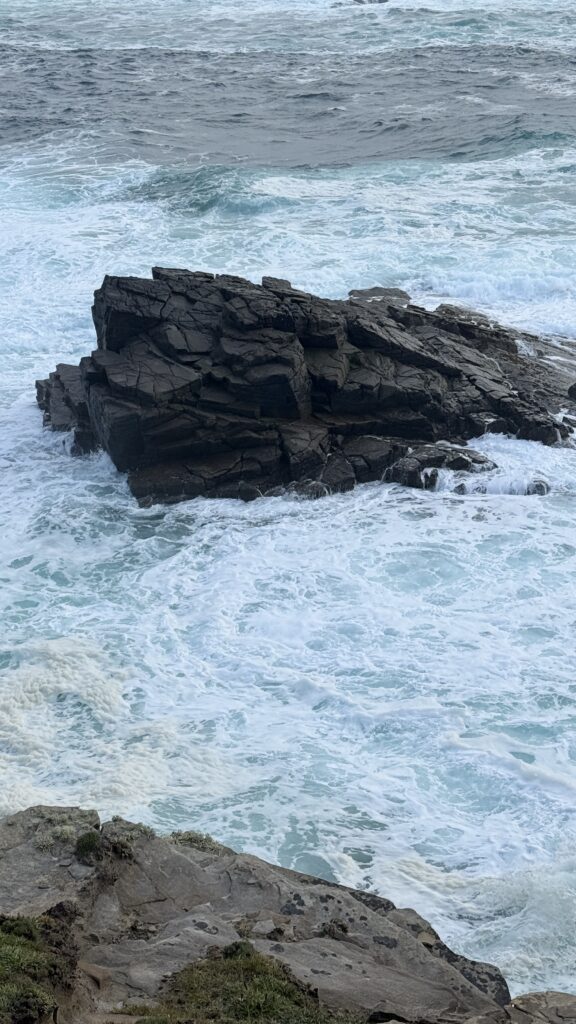
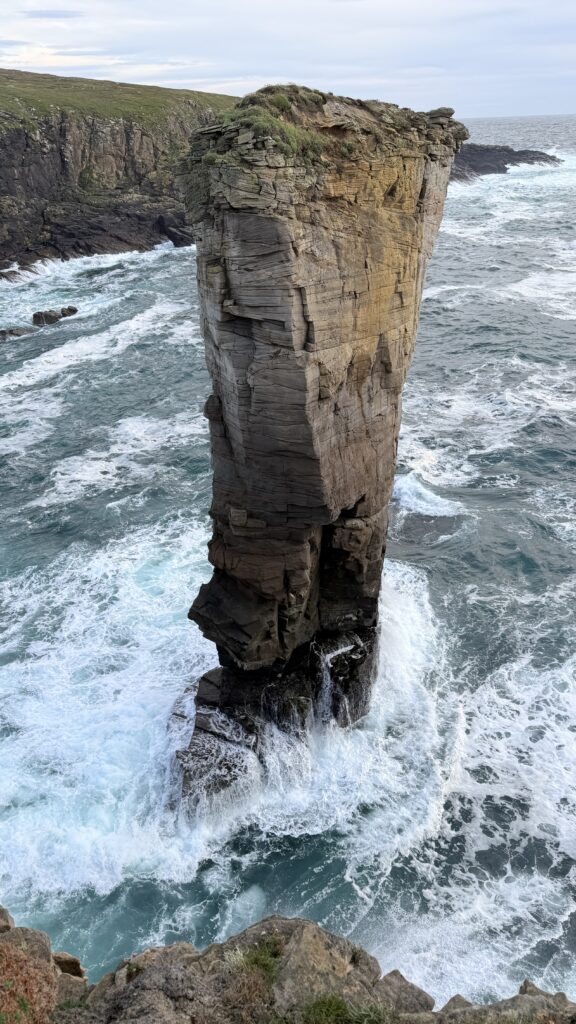
By far one of our favorite excursions is the stroll to Yesnaby Castle. You walk along the rugged cliffside with the sea pounding 40 meters below. Ocean spray is splashing everywhere and delicious looking sheep are wondering around. Yesnaby Castle is a dramatic sea stack on the west coast of Mainland Orkney, south of Skara Brae. It’s a tall, narrow column of layered sandstone separated from the cliffs by the sea, shaped over thousands of years by relentless Atlantic waves.
Final Thoughts
Orkney is filled with beautiful villages and lots of amazing nature. We are a quarter way through the trip and really happy with the experiences so far. Of course we have been trying Scotch and have discovered that I prefer Peet forward drams while Eunjae enjoys smokey flavors. Food overall has been excellent and we are eating tons of Atlantic fish, mussels and Black Pudding.