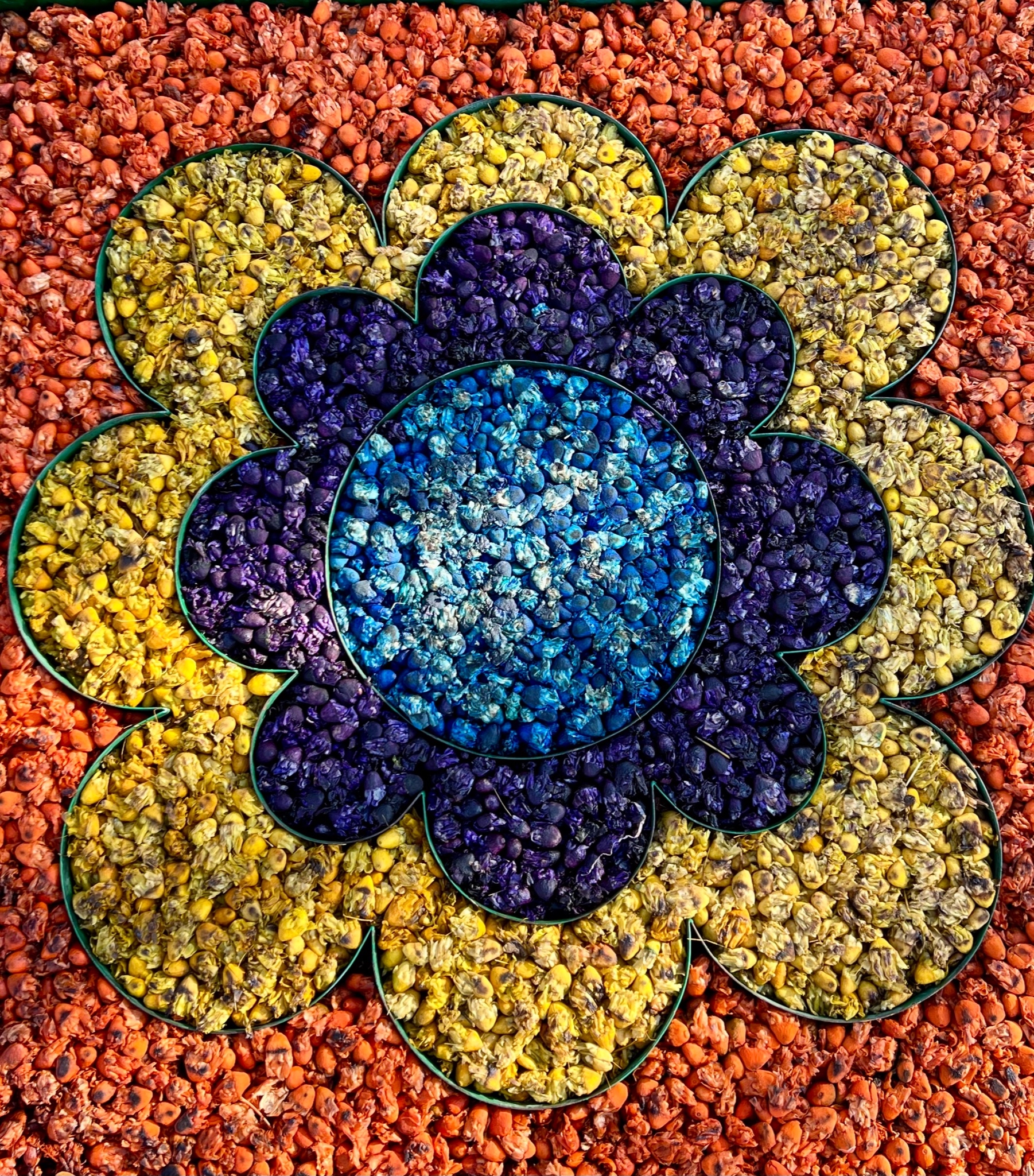

Morocco doesn’t reveal itself all at once; it unfolds slowly. You notice it in the air first — spice, orange blossom, a little wood smoke — and then in the way sound travels through old medinas, echoing just a beat longer than you expect. Mornings are unhurried, light spilling into courtyards and shaded riads. Nights are softer, lantern-lit, with the sense that the desert is right there, waiting patiently just beyond the Ramparts of Marrakech. Morocco lives on contrast — heat (well… not so much this trip), stone, energy and quiet — and I already know this is a journey that’s going to stay with us for a long time.
Once again, we leaned on Corrine, Claire, and Tom at Audley Travel to help us stitch together a nine-day loop beginning and ending in Marrakech. What made this trip especially memorable wasn’t just the route, but how the cold, snowy weather unapologetically rewrote our plans and, in the process, gave us experiences we never would have found otherwise.
Moroccan society developed over many centuries through repeated waves of settlement, migration, and outside rule. The earliest inhabitants were Berber (Amazigh) peoples, who established agricultural communities, trade networks, and political structures long before Arab expansion. Beginning in the 7th century, Arab migration brought Islam, the Arabic language, and new systems of governance, which gradually integrated with existing Berber societies rather than replacing them. Over time, dynasties such as the Almoravids and Almohads unified large parts of North Africa and Iberia, shaping Morocco as a regional power rooted in both Arab and Berber traditions.
Another important layer came from Jewish communities, particularly in southern Morocco. In places like Amezrou, Berber Jews were not outsiders but an integral part of local society. Many were salt merchants, traders, and craftsmen who controlled segments of the trans-Saharan trade routes moving salt, silver, and other goods between North Africa and sub-Saharan Africa. Salt was a form of wealth in the desert, and families involved in that trade were often prosperous, well connected, and respected. Jewish and Muslim communities lived side by side, economically and socially intertwined, sharing language, customs, and daily life.
That balance shifted in the mid-20th century. After the founding of Israel in 1948, many Moroccan Jews emigrated, driven by a mix of opportunity, religious identity, uncertainty about the future, and the broader political changes surrounding the end of French colonial rule. By the 1950s and 1960s, most Jewish families had left, leaving behind homes, workshops, synagogues, and cemeteries. At the same time, Morocco experienced large internal migrations, with people moving from rural and southern regions into cities, and outward migration of North Africans to Europe. These movements reshaped the country without erasing its past. What remains today is a society built through accumulation rather than replacement, where traces of earlier communities are still visible in architecture, trade patterns, and local memory.
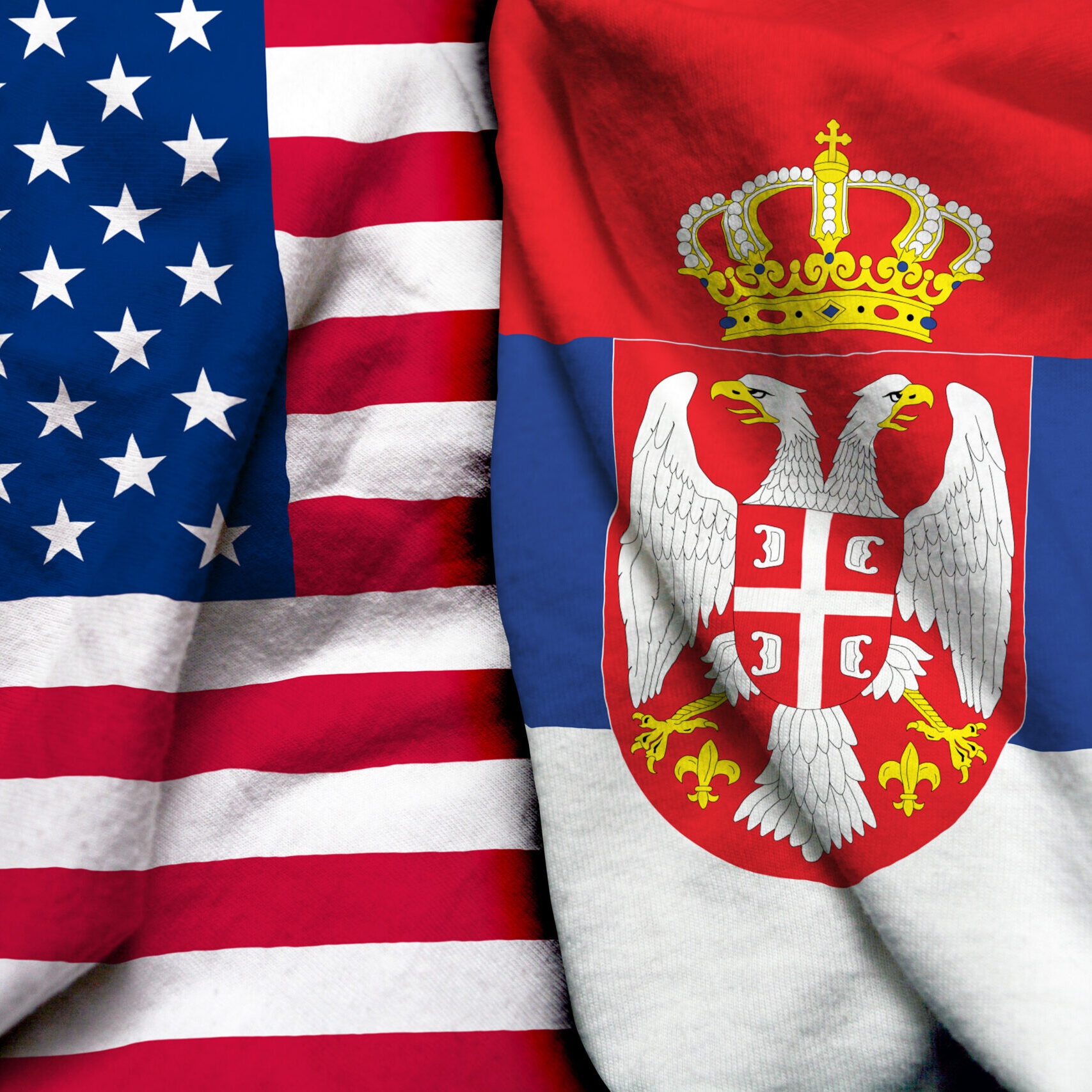
For American readers, Morocco was the first nation to formally recognize the United States, doing so in 1777 when Sultan Mohammed III opened Moroccan ports to American ships—an early act of confidence that laid the foundation for one of America’s longest-standing strategic partnerships, a relationship that continues today through close diplomatic, economic, and security cooperation.
_______________________
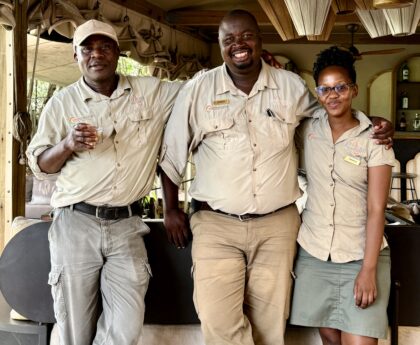
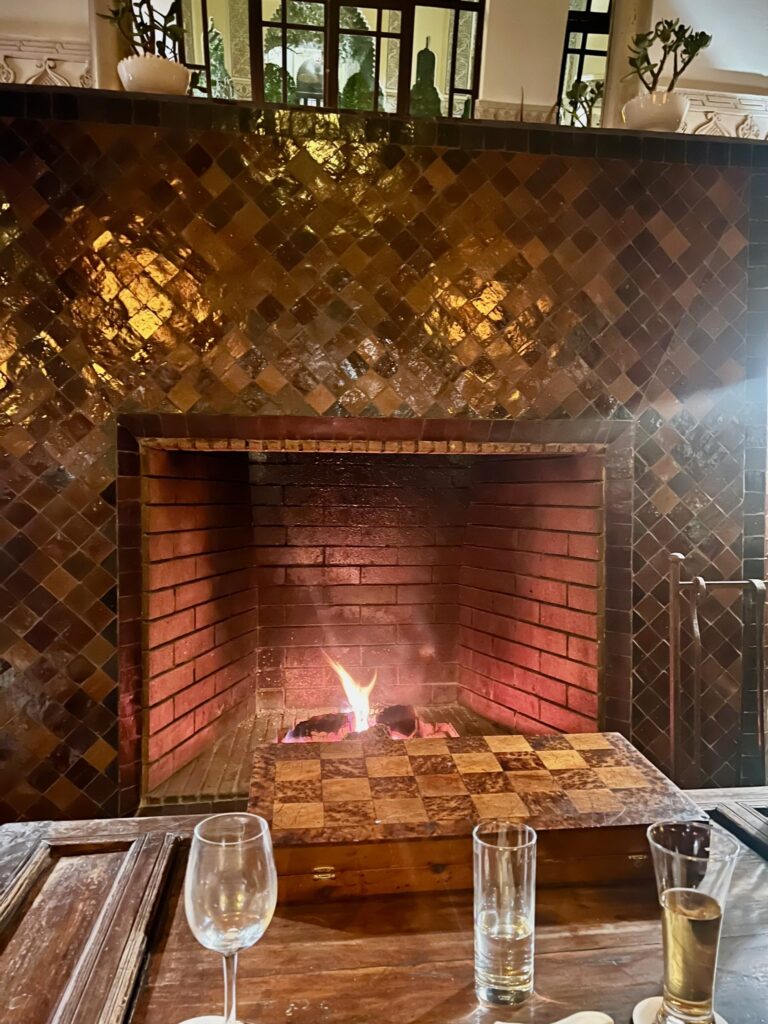
Our home base in Marrakech was La Villa des Orangers, tucked just inside the historic medina and an easy walk from Jemaa el-Fnaa. Originally a traditional Moroccan riad, the property is built around quiet interior courtyards designed for shade, privacy, and calm. The hotel blends classic Moroccan design with a restrained French elegance that feels indulgent without being overdone. What truly sets it apart, though, is the staff—attentive, warm, and genuinely helpful, never formal or intrusive. Best of all, our room had a fireplace; given the temperatures, it didn’t just set the mood, it earned its keep. A special thanks to Souheïl Hmittou for the warm welcome and generous tour of the hotel.
Normally, Marrakech in December is sunny, dry, and hovers around 14–16 °C. Instead, we got rain, cold, and temperatures dipping to somewhere between “brisk” and “why didn’t I pack more sweaters?” Morocco has been in drought for years, and this was the first meaningful rain in a long time. The locals were thrilled. We… adjusted. The upside? Seeing small lakes and flowing water in the Sahara — something few people ever witness — was genuinely unforgettable.
Before we even left, our friend Gorica regaled us with horror stories about Air France and lost luggage. For context, I’ve flown literally millions of miles for work and pleasure, and only once has a bag gone missing — and even then, it wasn’t mine. Still, we took her warning seriously and split clothes and toiletries between bags, just in case. Gorica’s prophecy came true. Air France lost one of our bags, confirming its reputation. Thankfully, with the help of Mr. Abdel, Mr. Khalid, and the quiet magic of Apple AirTags, we were reunited with it 48 hours later, just in time to leave for Agdz. Moral of the story: Gorica maybe a Vidovita žena (seer woman).
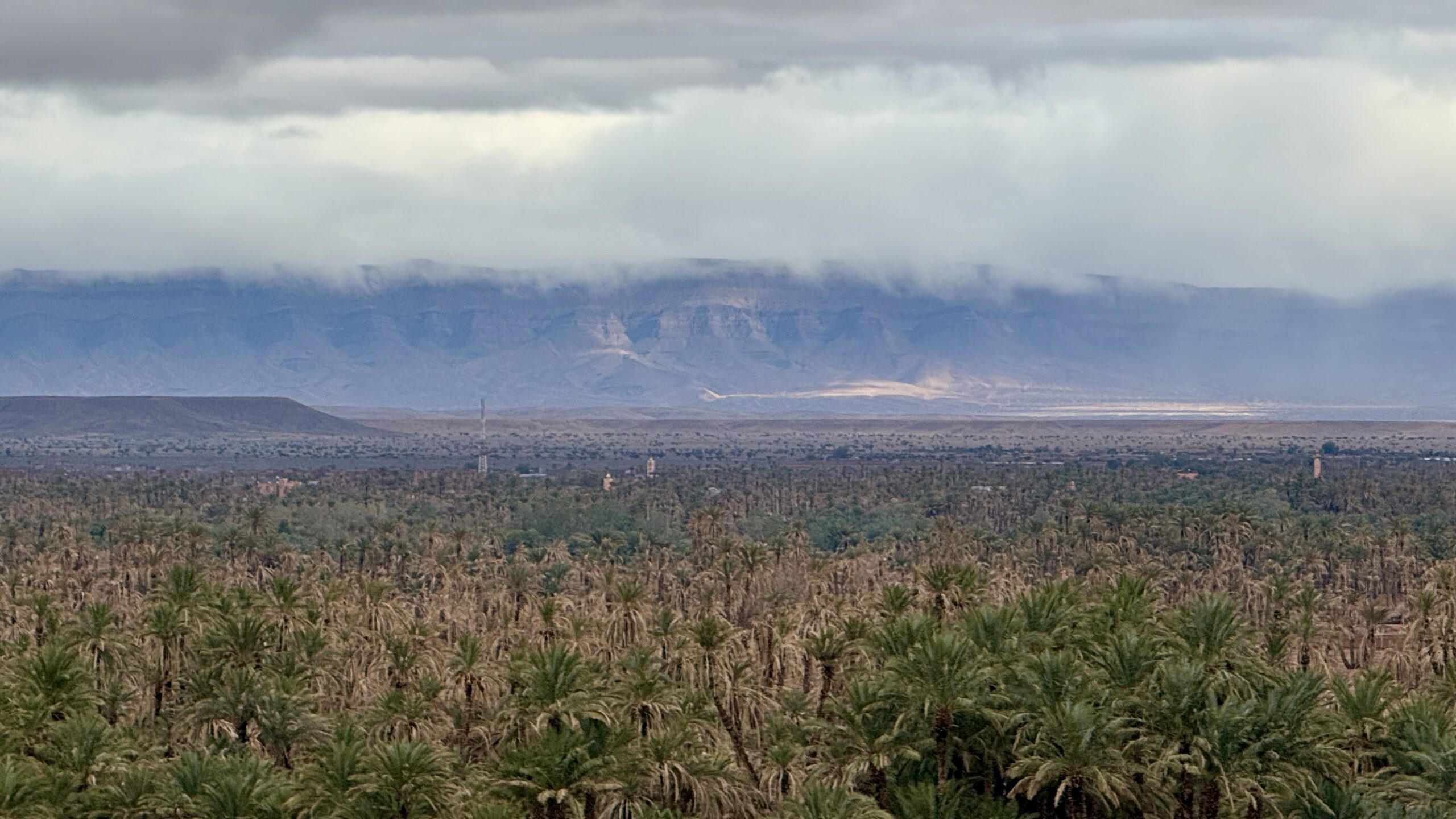
From Marrakech, we traveled through the Draa Valley to Agdz, on to Erg Chigaga in the Sahara for a desert camp stay, then Skoura, before plans went sideways thanks to snow and a closed road in the High Atlas Mountains. That closure turned what should have been a mountain crossing into a ten-hour drive skirting the range instead. Long, yes — but beautiful — and eventually we made our way back to Marrakech, a little tired, a little cramped, and completely convinced that Morocco rewards flexibility far more than rigid plans.
Architecture
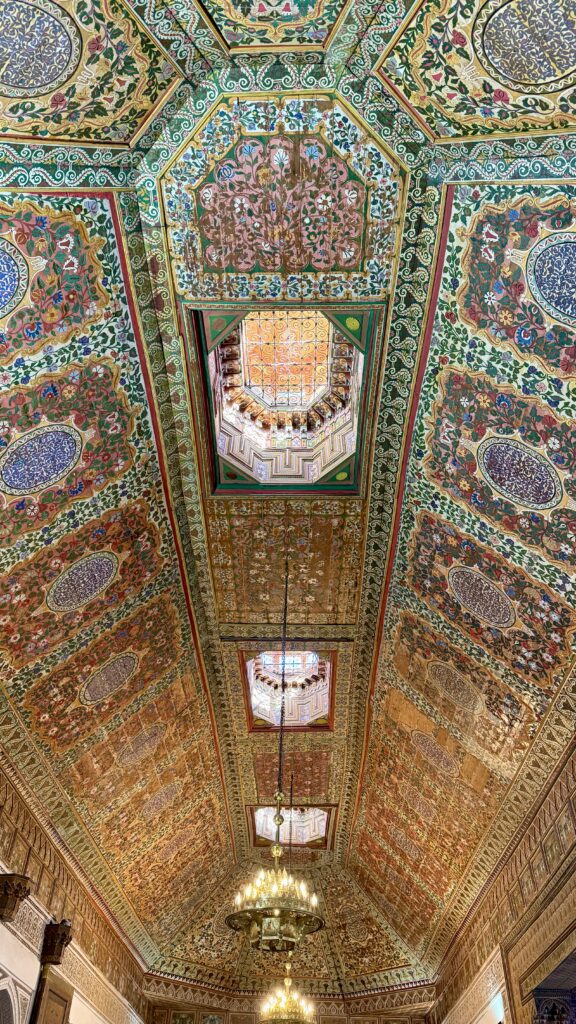
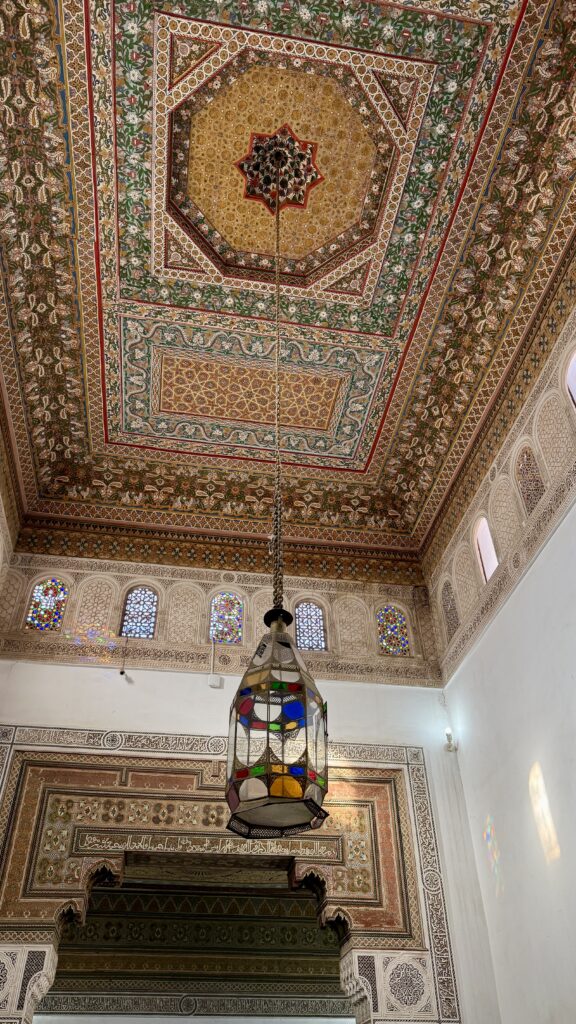
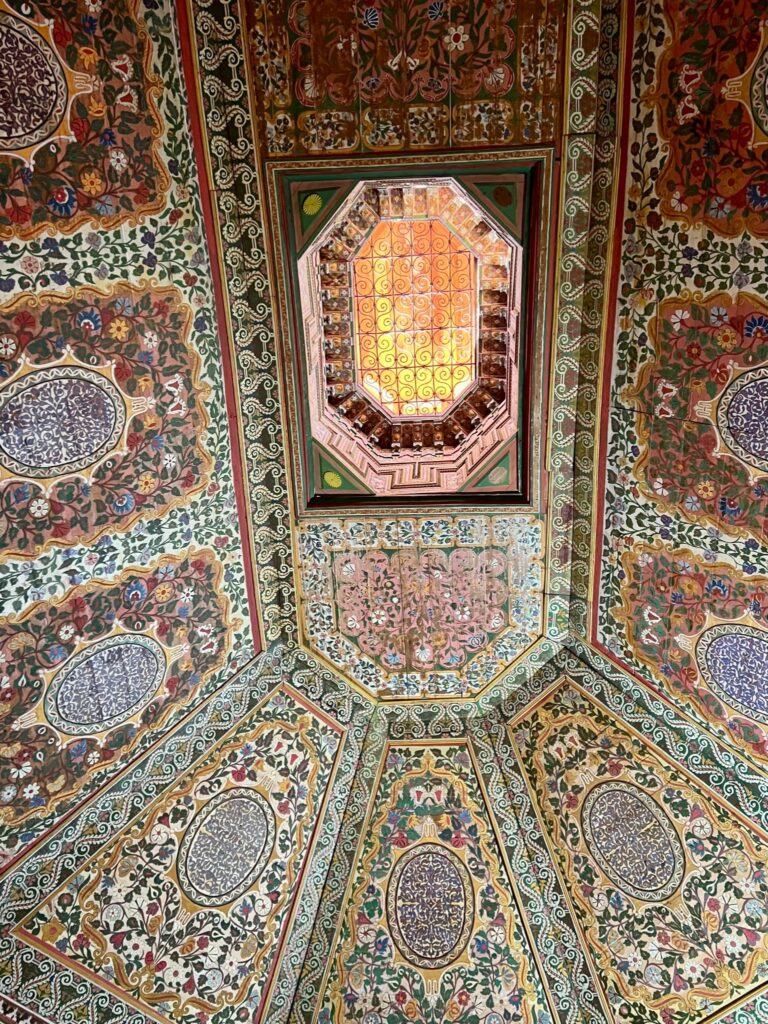
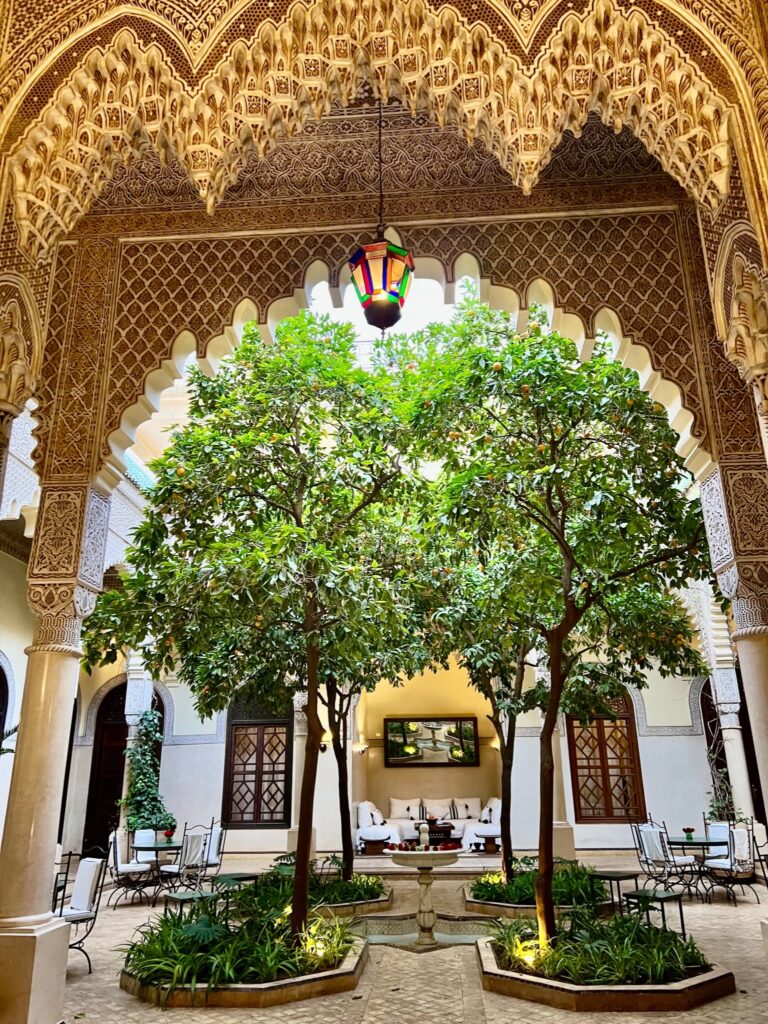
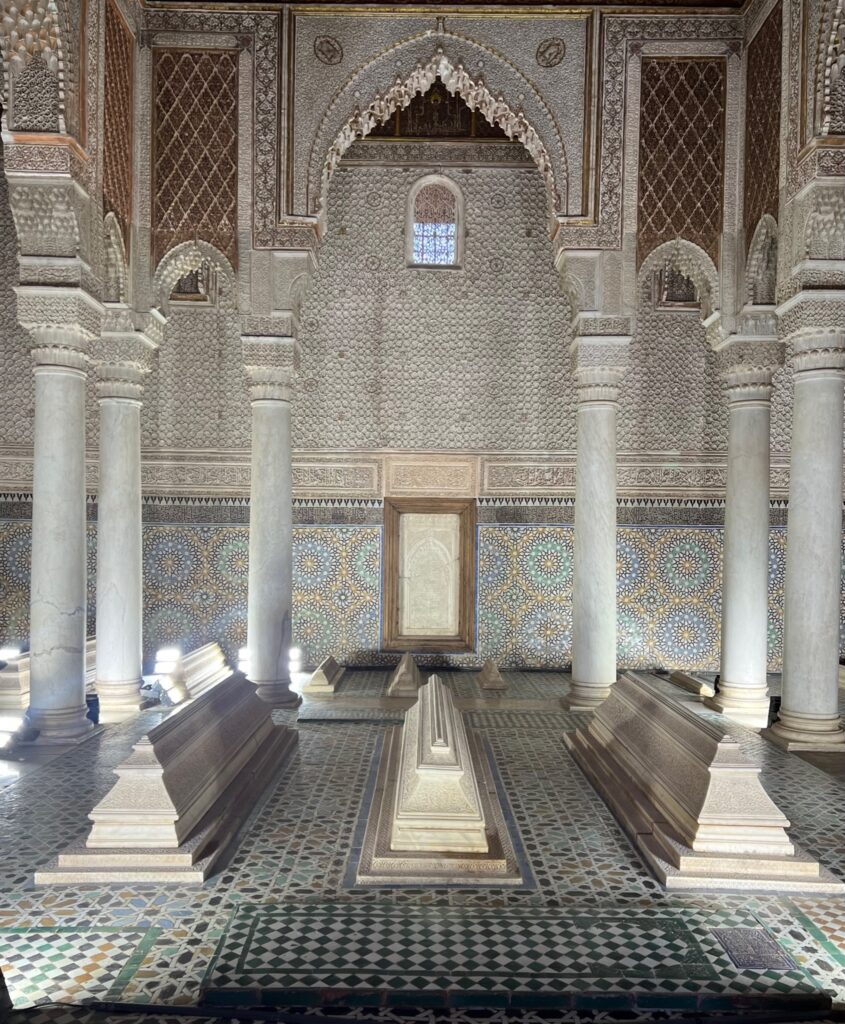
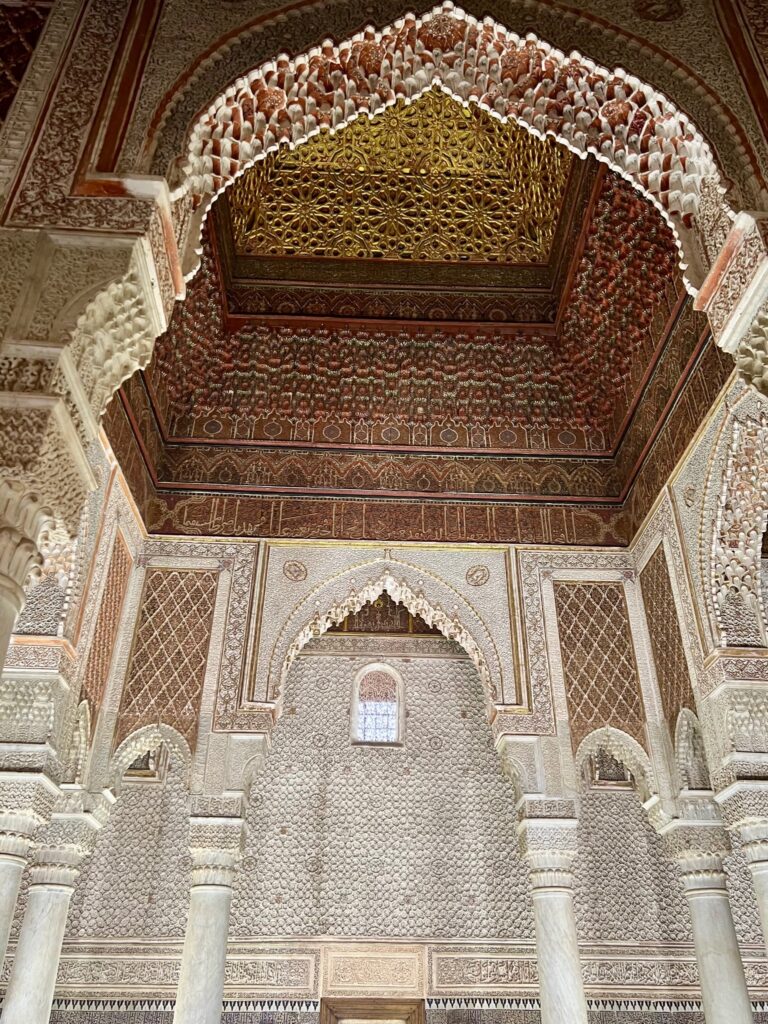
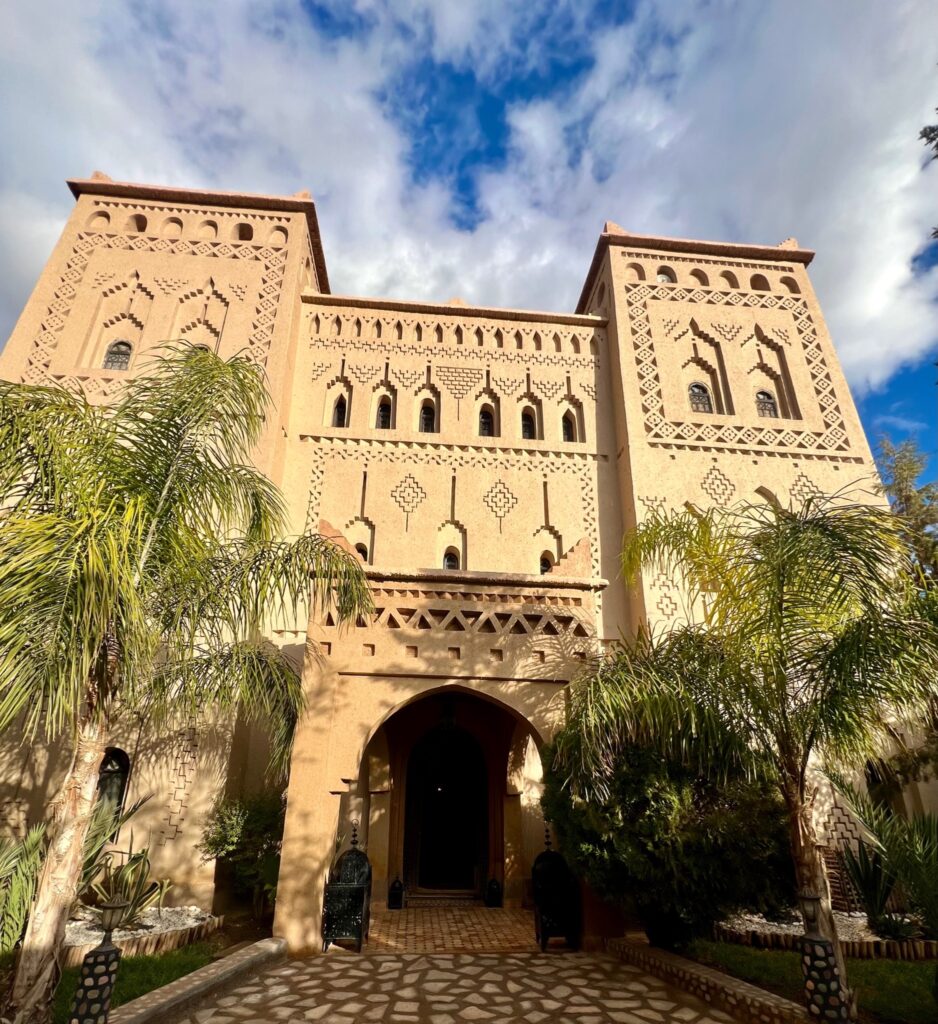
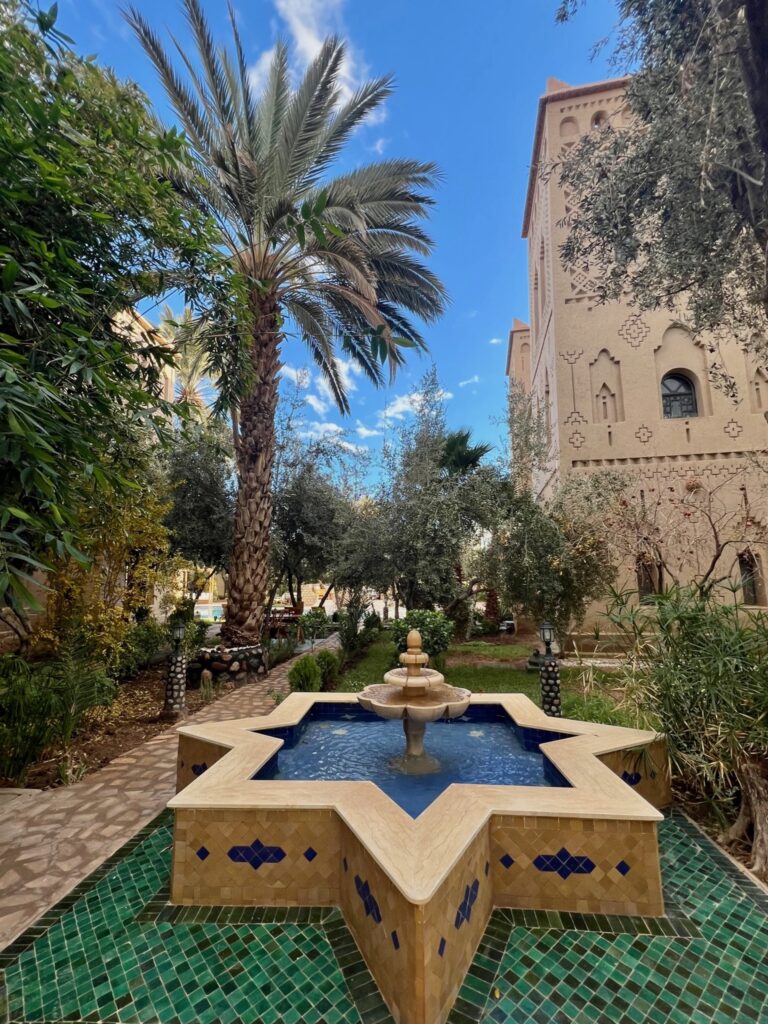
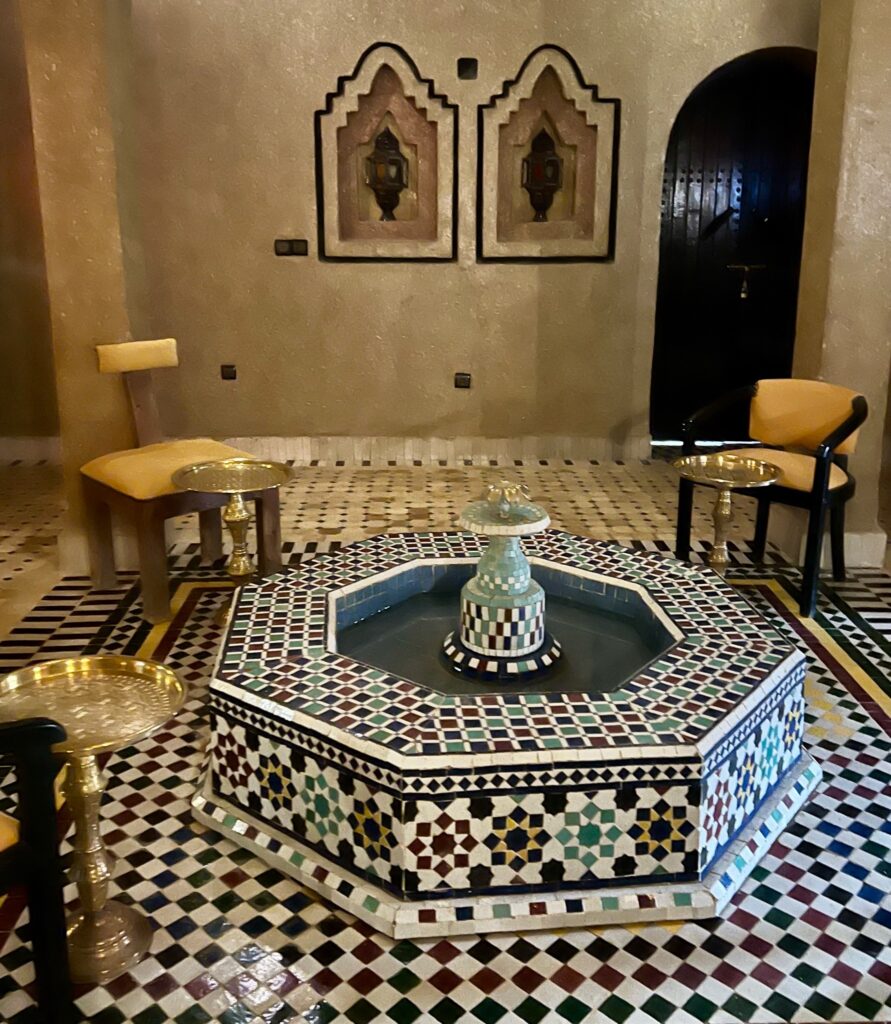
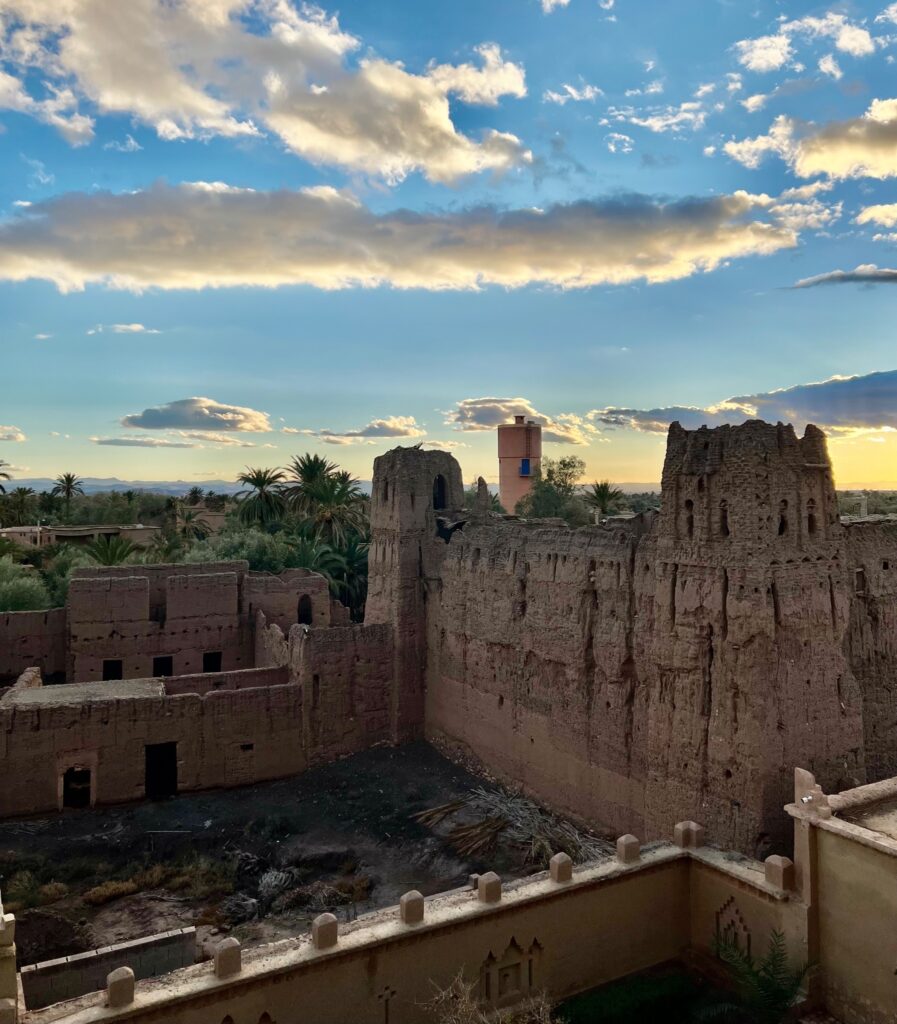
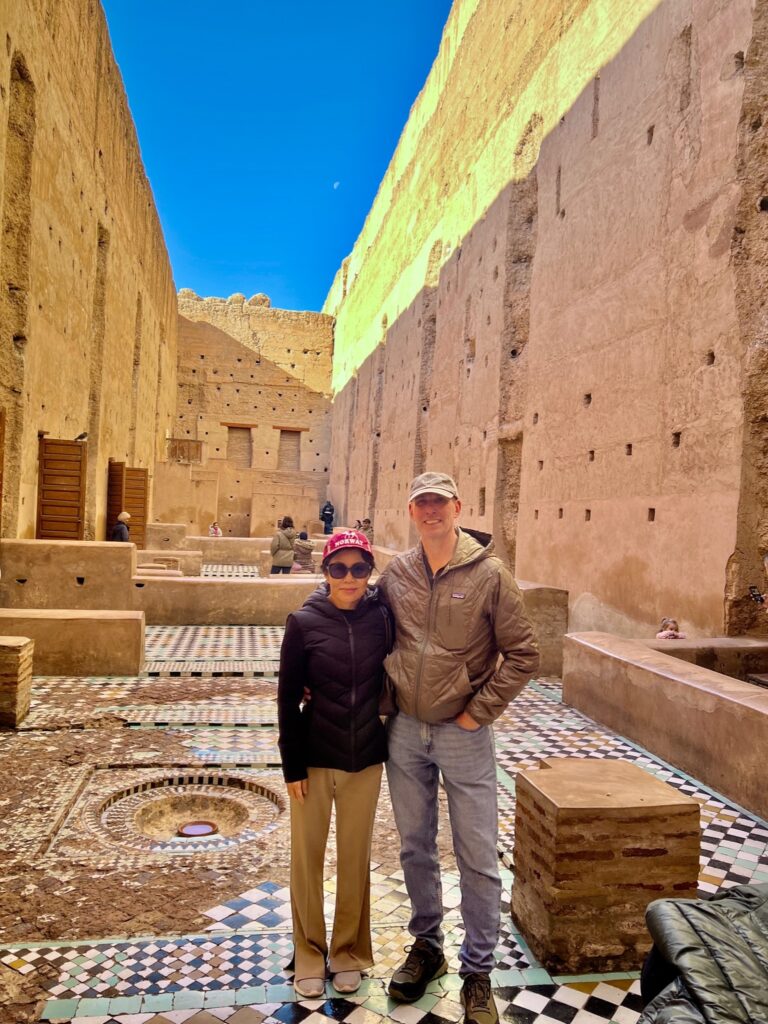
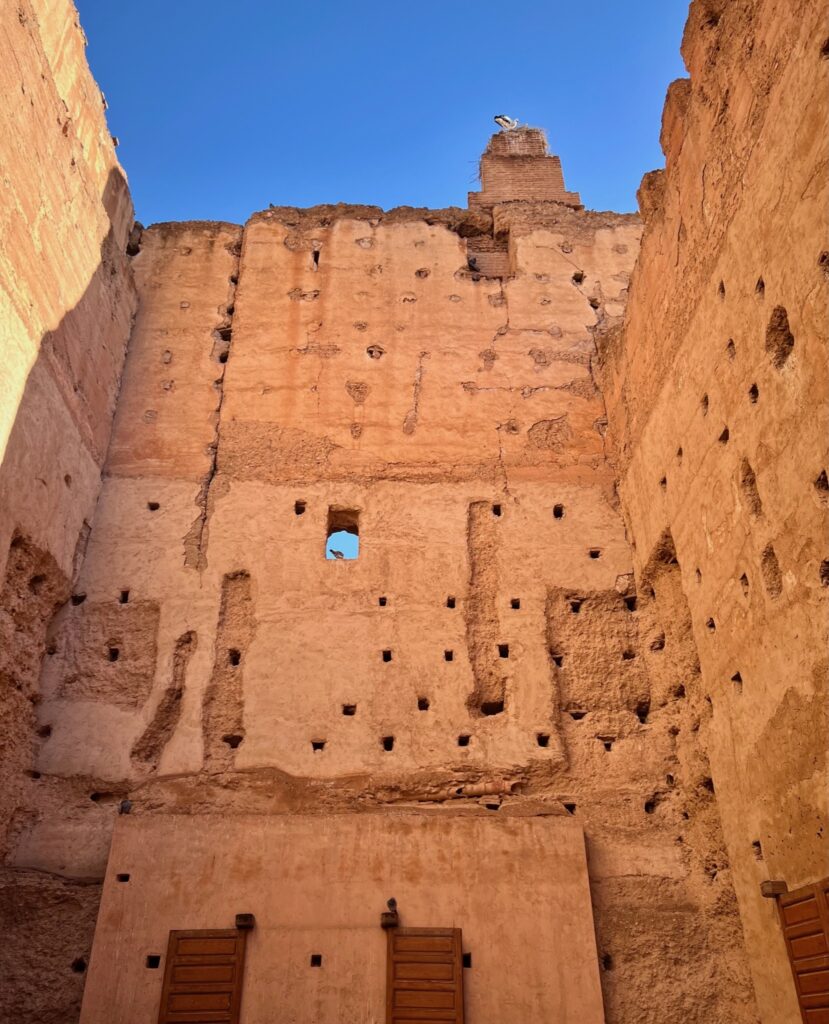
Moroccan architecture rewards curiosity and patience. From the outside, medinas often appear deliberately plain: high walls, simple doors, narrow streets that offer few hints of what’s inside. That restraint is intentional. The exterior is meant to be modest, practical, and private, protecting what matters most from heat, noise, and curious eyes. If you didn’t know better, you might walk past without a second glance.
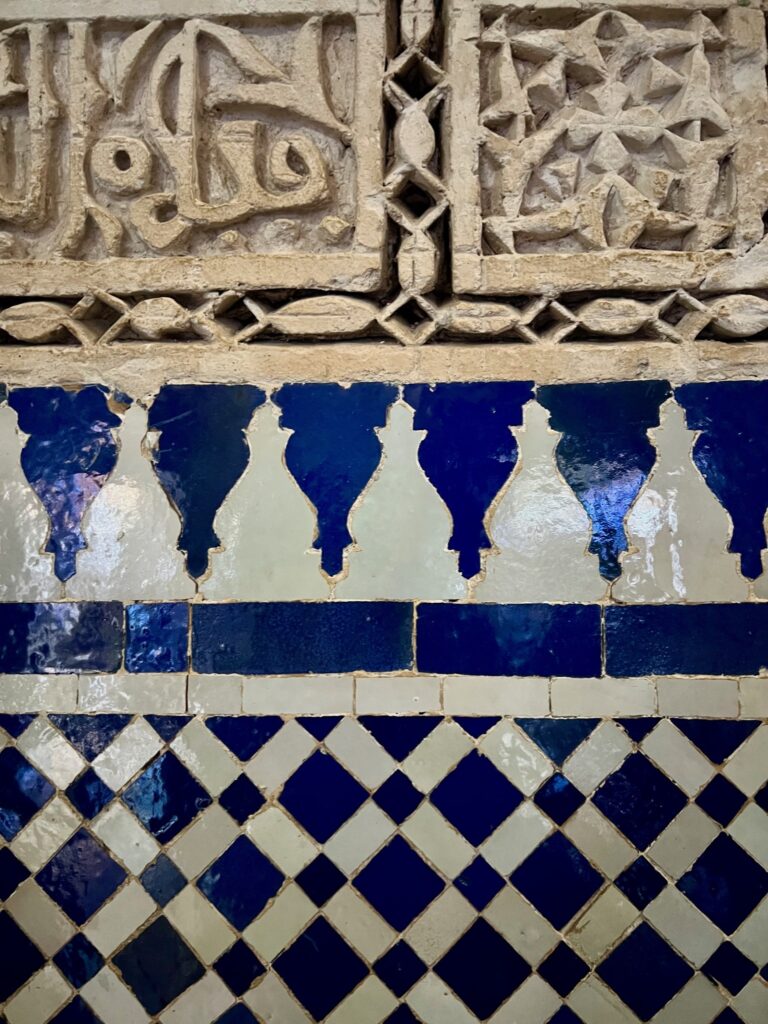
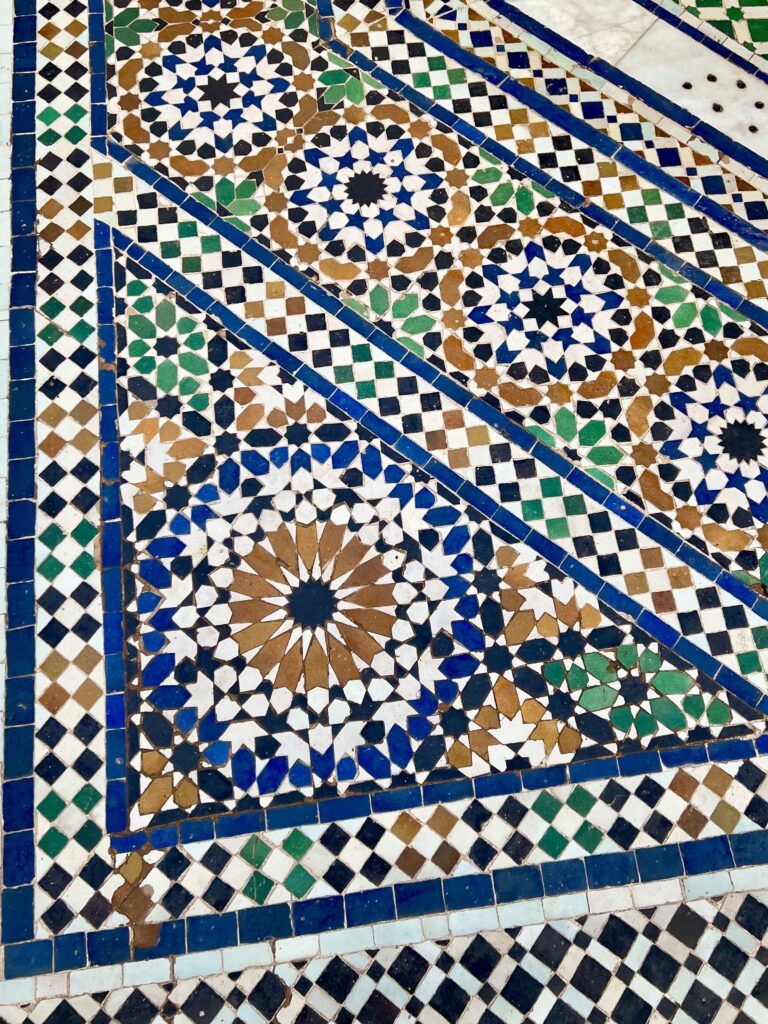
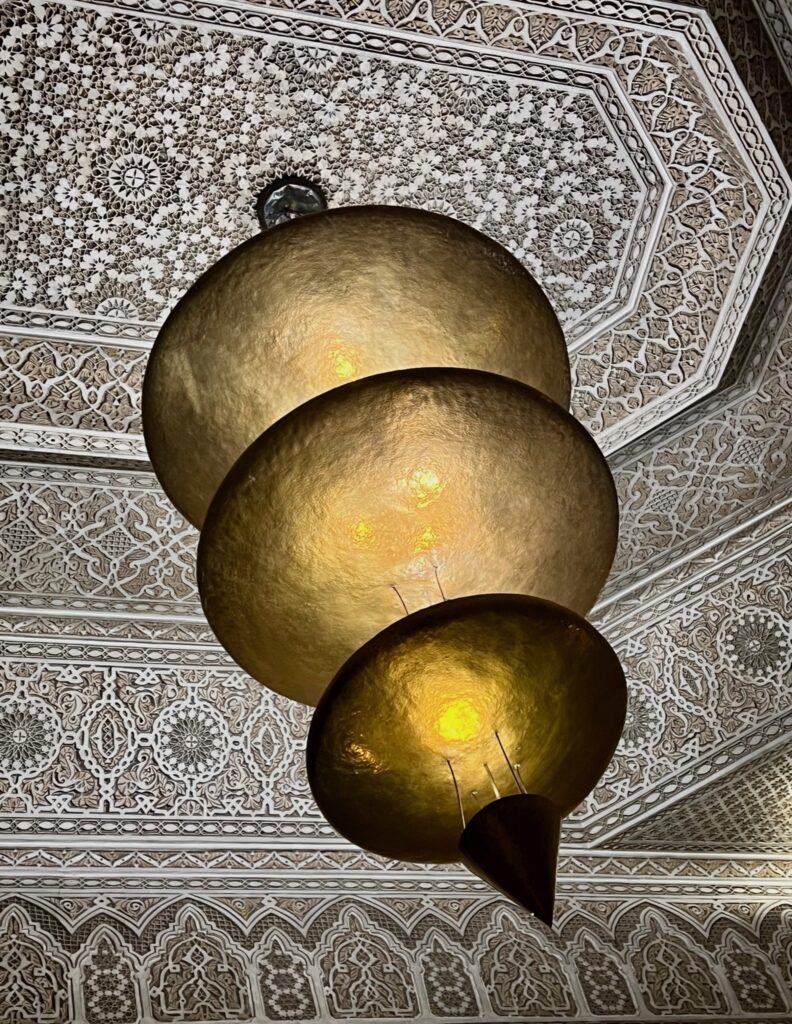
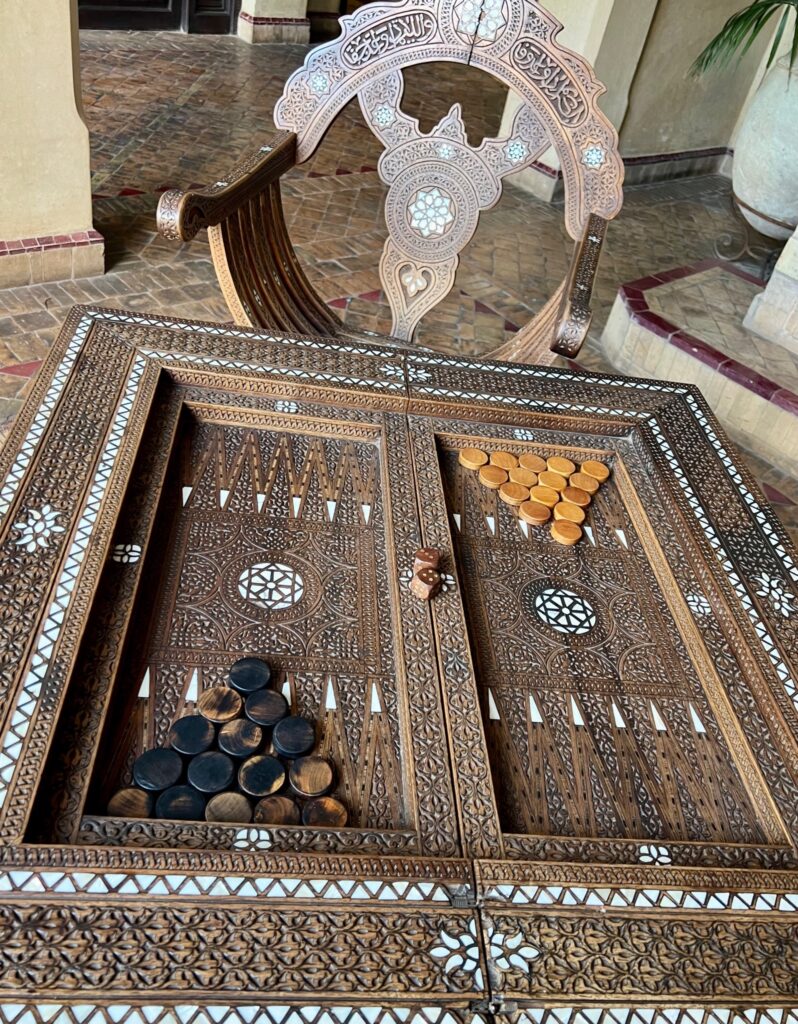
Step inside, though, and it’s a complete reversal. Riads open inward like a secret kept on purpose: tiled courtyards, carved cedar, cool stone, and fountains quietly doing what they’ve done for centuries. The contrast reminded me of Serbian buildings — facades that are tired, cracked, and overdue for maintenance, but inside reveal warm, carefully kept apartments full of character and life. In Morocco, that same idea is elevated to an art form. Zellige mosaics wrap walls in patterns so precise, they feel almost impossible, plasterwork curls and flows with a patience modern construction forgot, and every detail seems placed with intent rather than flash.
Food & Spice
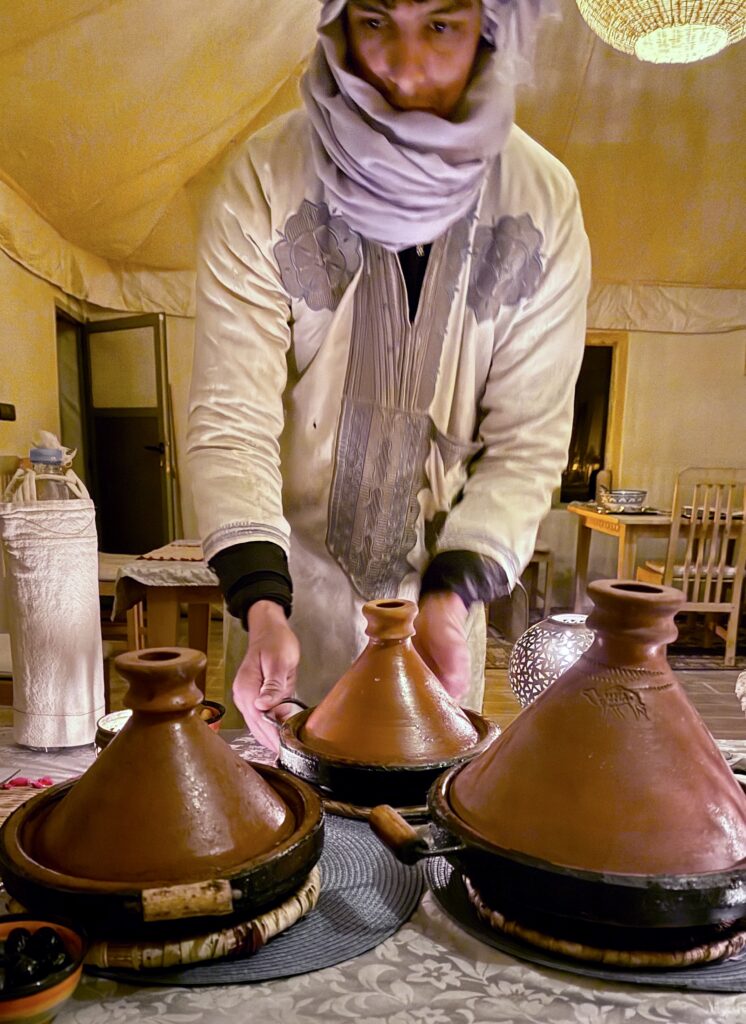
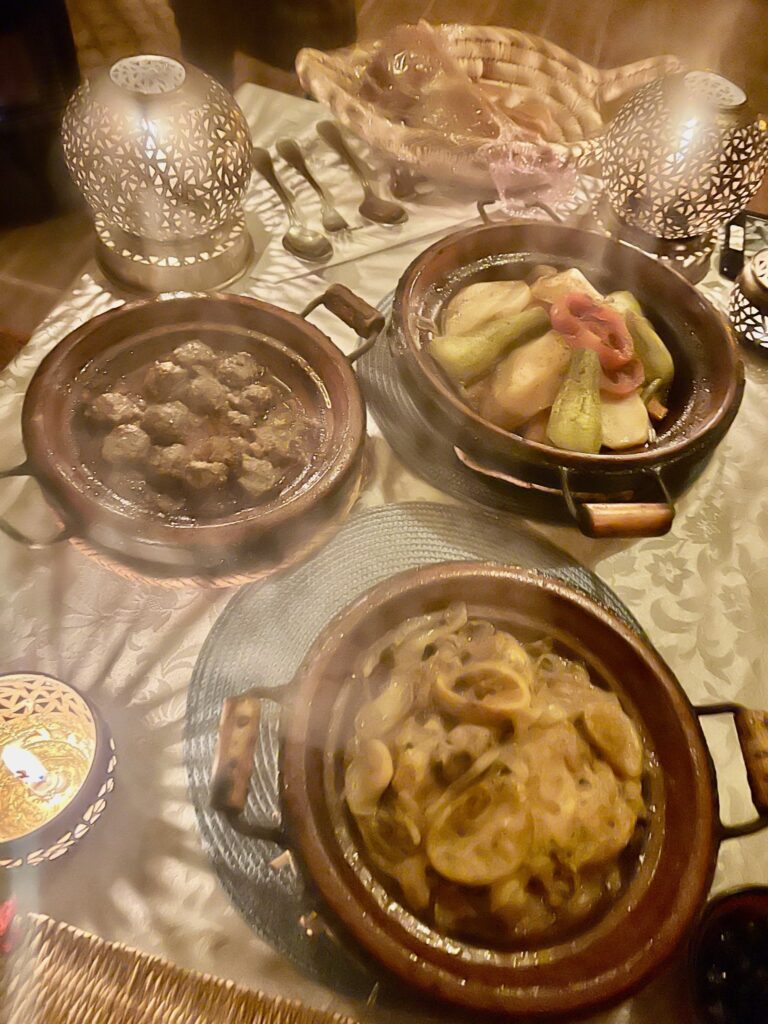
Moroccan food is easy to like. You sit down, food arrives, and it’s not just good — it’s delicious, every time. Tagines come out hot and slow-cooked the way they should be, with tender meat and vegetables that actually taste like themselves. The spices are present but balanced — cumin, ginger, saffron, cinnamon — nothing overpowering, nothing competing for attention. It’s confident cooking without unnecessary fuss. After five or six tagines, though, we were ready to try something else.
What really stands out is the freshness. This may be the best produce we’ve ever had anywhere. Fruits and vegetables taste like they were picked that day, not shipped halfway around the world and stored until they forgot what they were supposed to be. There’s no GMO conversation here, and if you have a nut allergy, bring an EpiPen — peanuts, pistachios, almonds, and walnuts show up everywhere. Olives deserve special mention: they’re outstanding, bursting with flavor, and offered in more varieties than seems reasonable — onion, sage, harissa, lemon, plain, wrinkled, glossy. You start by tasting one and end up eating olives like it’s a full-time job. Savory bread appears constantly, warm and perfect, clearly meant to be torn apart and used for everything on the table.
Moroccan cuisine also has range. One night you’re eating simple local food; the next you’re in a polished dining room with clear French influence. Breakfasts deserve a warning label: breads, eggs, olives, jams, honey, yogurt, fruits, and far too many small side dishes quietly daring you to clear the table. Seafood options are everywhere — extremely fresh fish, prawns, calamari — simply prepared and plentiful. Overeating isn’t a possibility; it’s part of the experience. The video below shows how our tagine was presented during our stay at the Erg Chigaga Desert Camp.
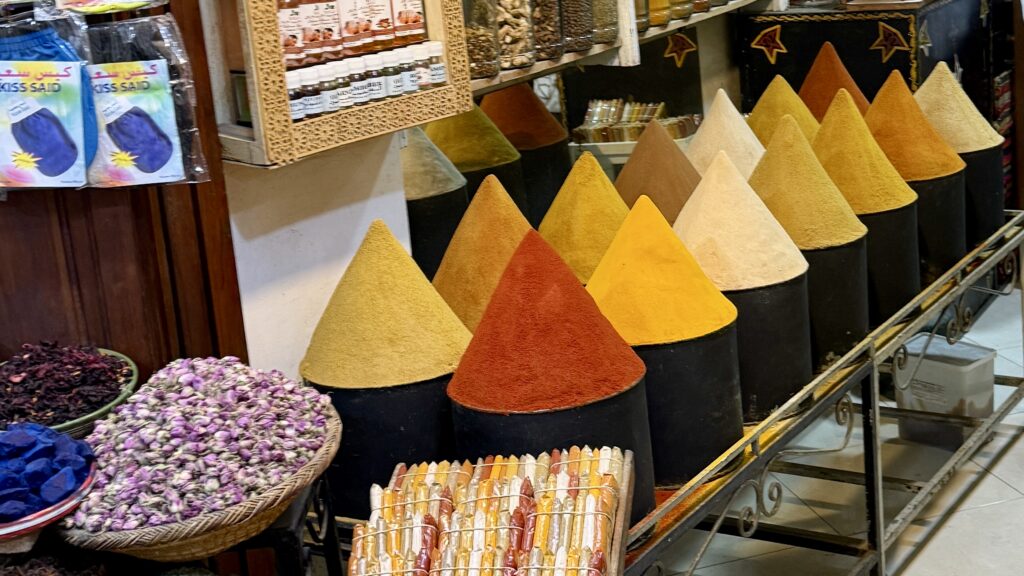
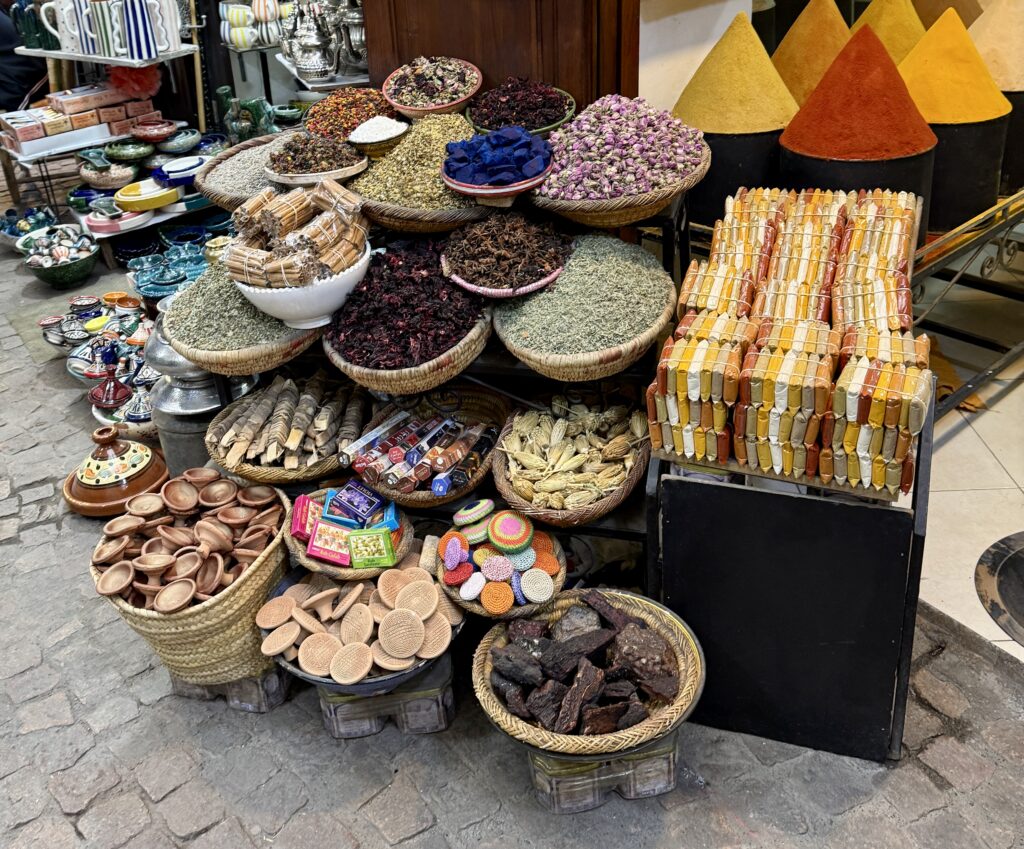
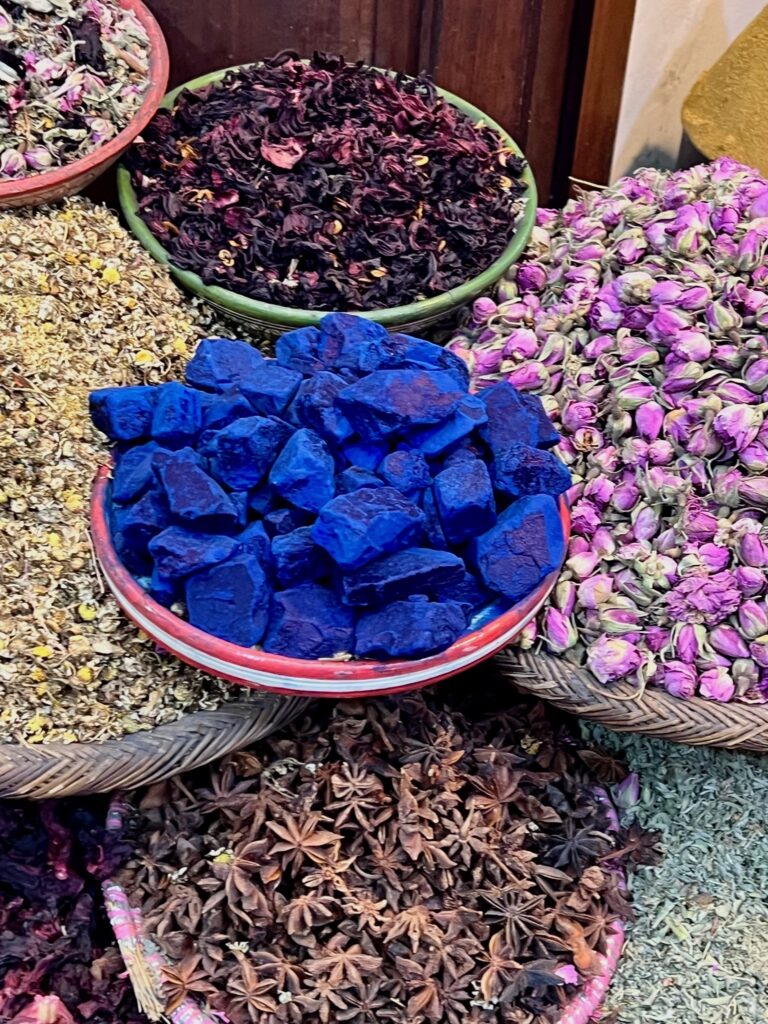
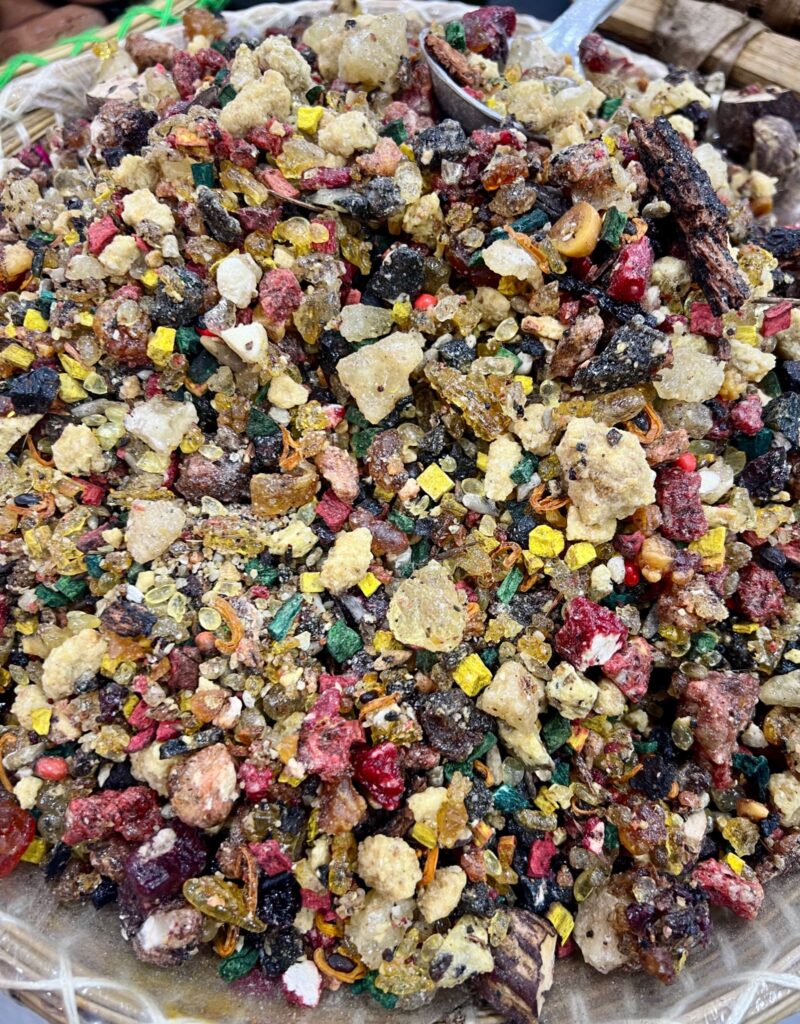
The spice stalls in the main market in Marrakech are impossible to ignore. Everything is out in the open — cones of turmeric, paprika, cumin, saffron, piles of dried flowers, roots, seeds, and things you can’t immediately identify but assume are important. Nothing is packaged or sanitized; it all fresh, handled daily, and measured by hand. Vendors scoop spices into paper cones, mix blends on the spot, and happily explain what each one is for — cooking, tea, digestion, headaches, luck, or some combination of all five. The colors alone are enough to slow you down, but it’s the smell that really gets you. You walk away with spice dust on your fingers, a bag you didn’t plan to buy, and the realization that whatever you’ve been cooking at home probably needs to try harder. We immediately noticed that Moroccan chefs use a lot of spices in all of their dishes. The closest equivalent is Indian cuisine in terms of boldness, color and flavor.
The Shara Desert
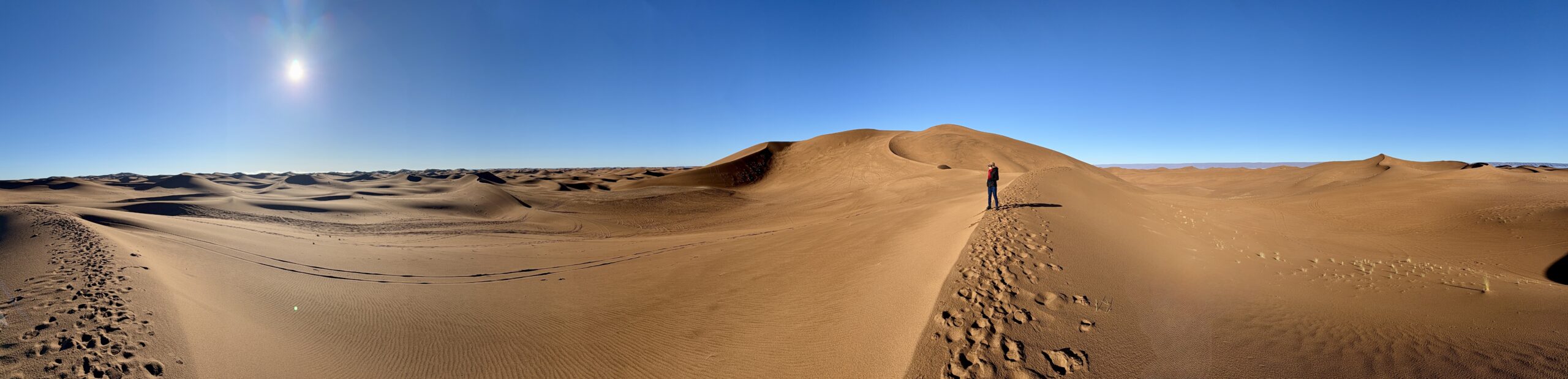
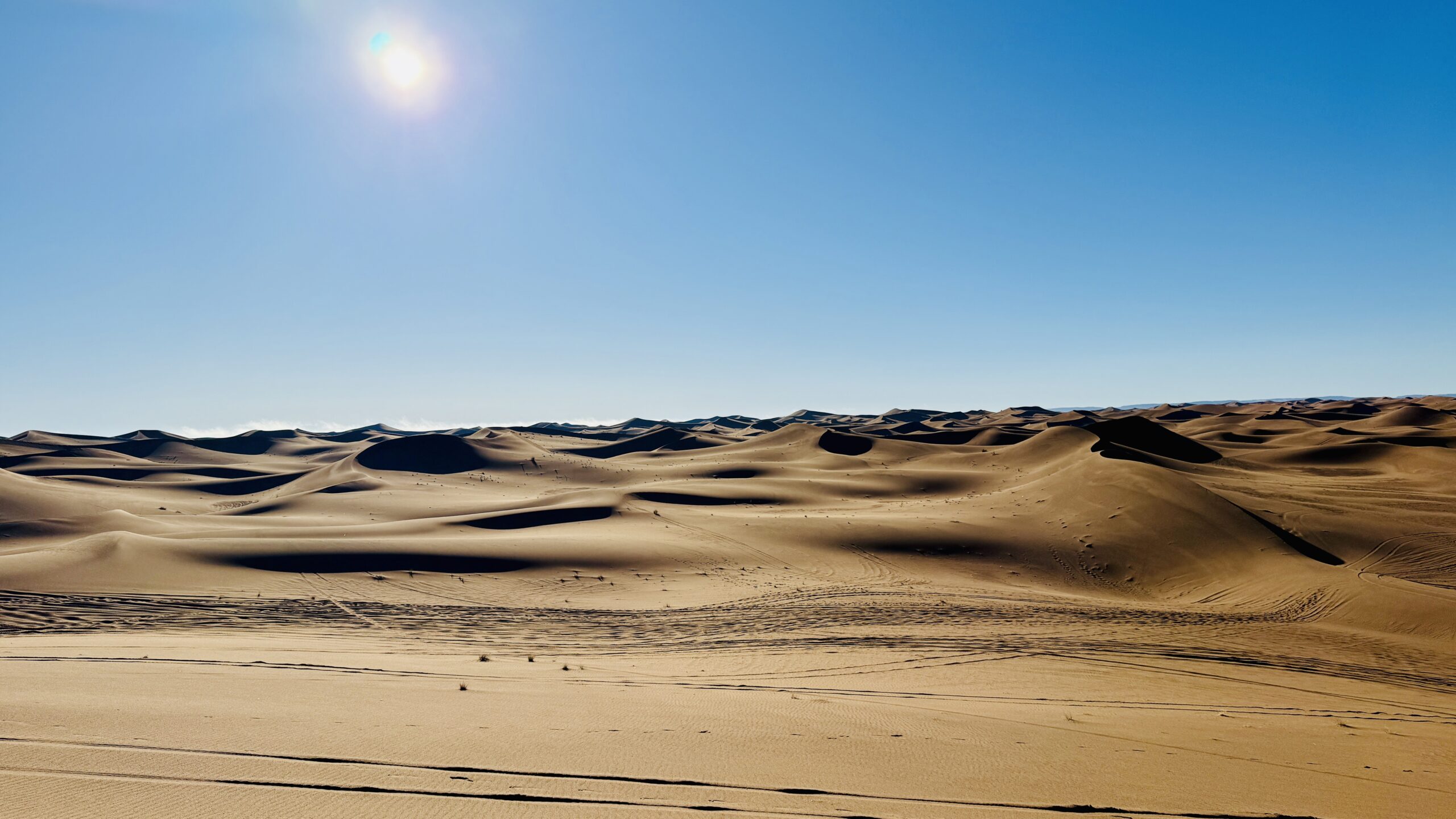
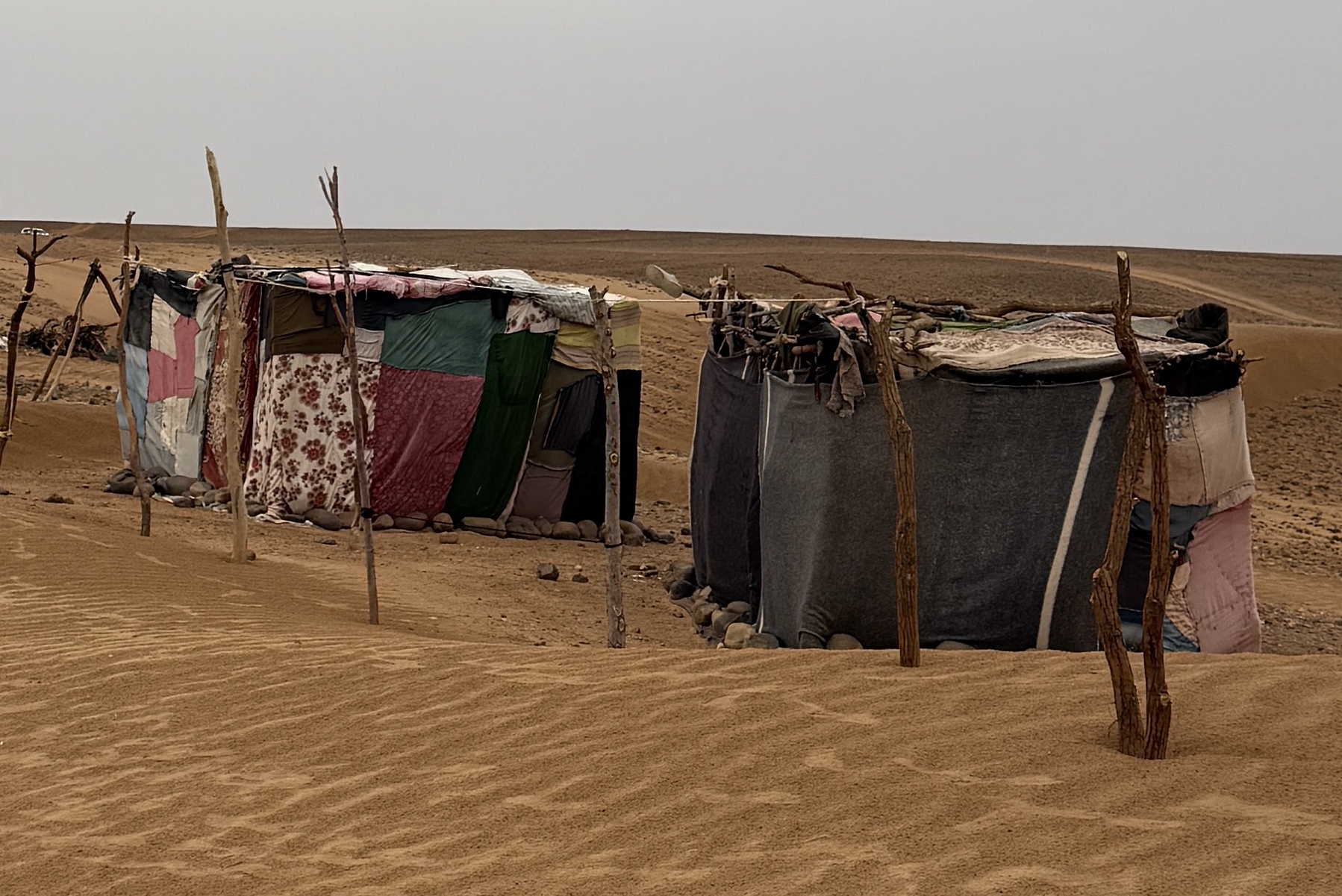
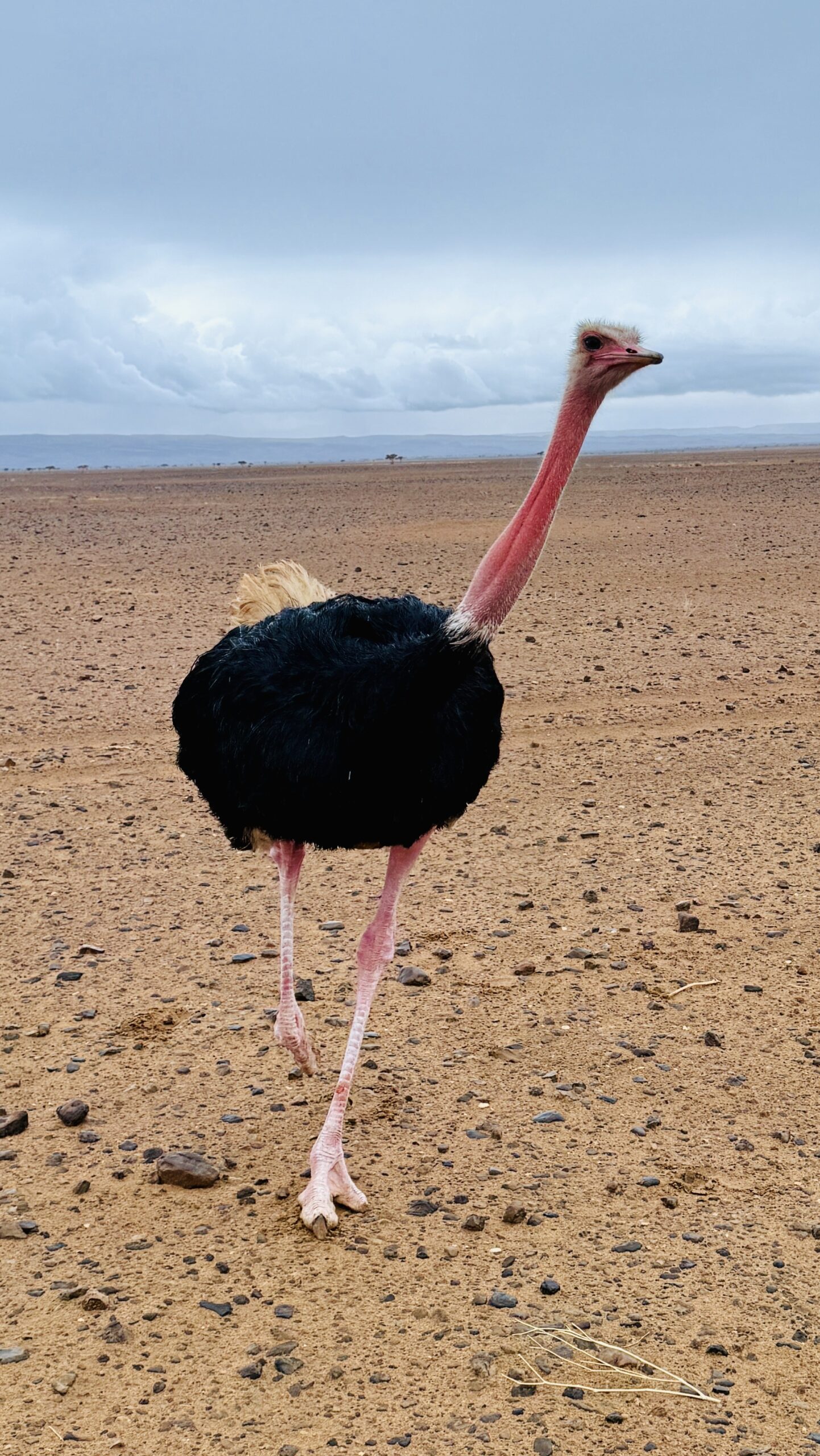
The Sahara near the Algerian border, nearly the same size as America, feels properly remote — and during our stay, it made a point of reminding us who’s in charge. We stayed at Desert Luxury Camp in Erg Chigaga, and rain fell during the week we were there, which sounds unlikely until you’re watching water collect where sand is supposed to be. The drive in by 4×4 turned into a slow, muddy grind, with flooded sections, soft sand underneath, and long stretches where momentum mattered. What should have been a much quicker trip took close to two hours, and there were moments when it genuinely felt like we might not make it through. The desert doesn’t care about schedules, and it was very clear about that.
The cold was another surprise. Daytime temperatures hovered around 8°C, and once the sun disappeared, it dropped fast — down to 0°C overnight. The propane heater in the tent tried its best but it stopped working, so we resorted to sheer mass. The blankets were enormous — easily close to ten kilos — the kind you don’t so much pull over yourself as negotiate with. Once you were pinned in place, with a pillow near your feet to stop the crushing weight, it worked. Sleeping in the Sahara, wrapped like that, cold outside and warm inside, is something you don’t forget.
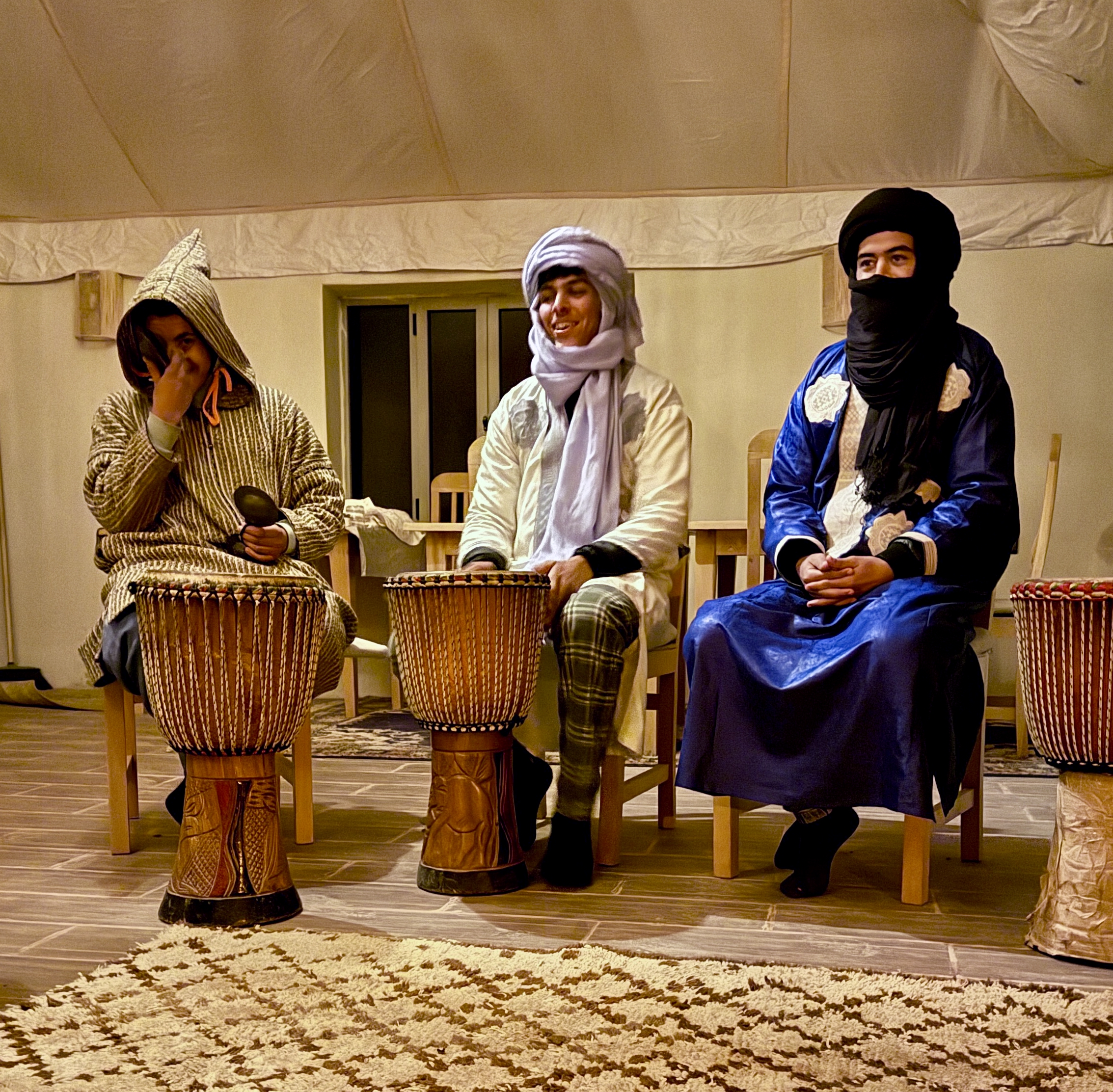
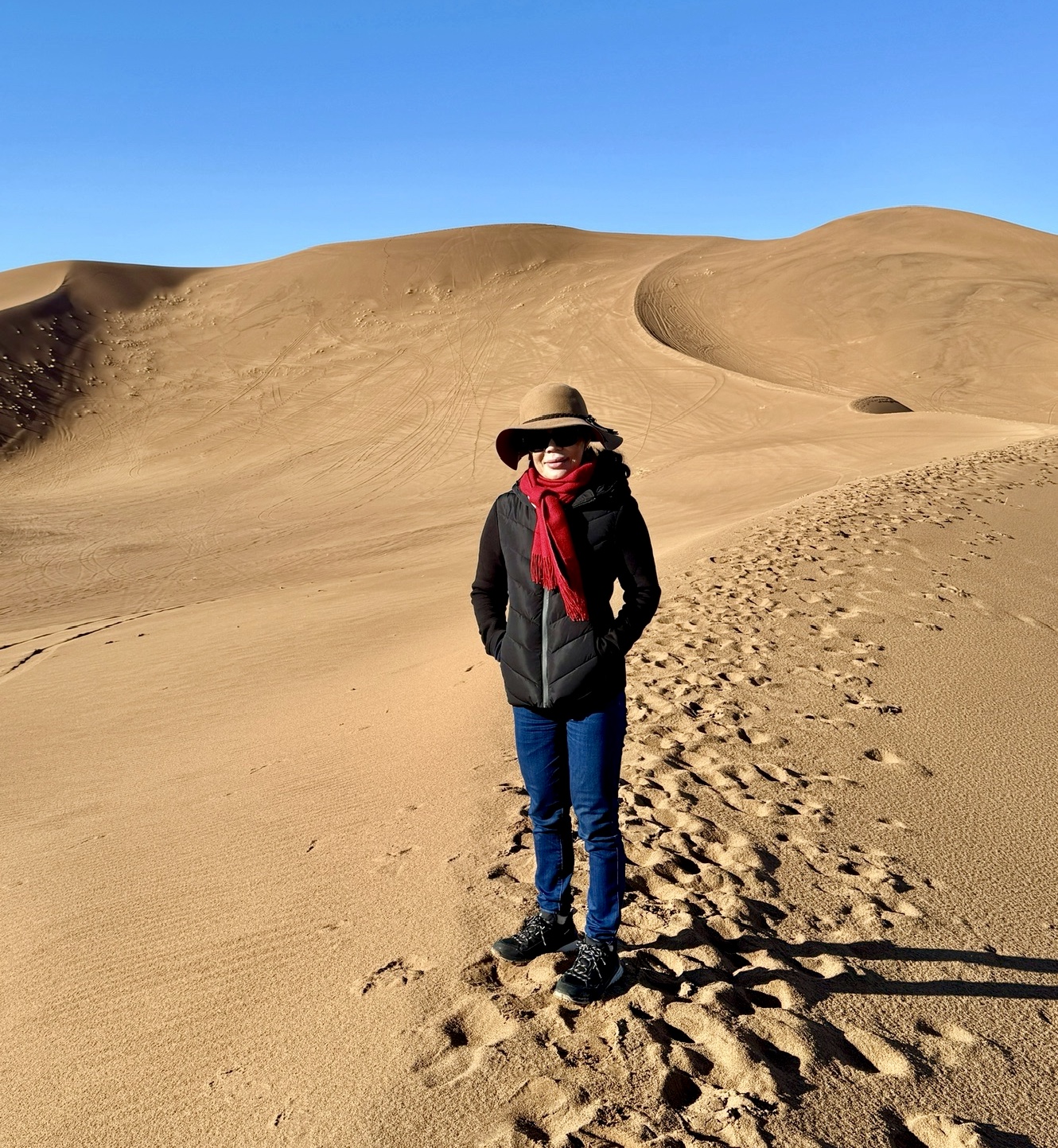
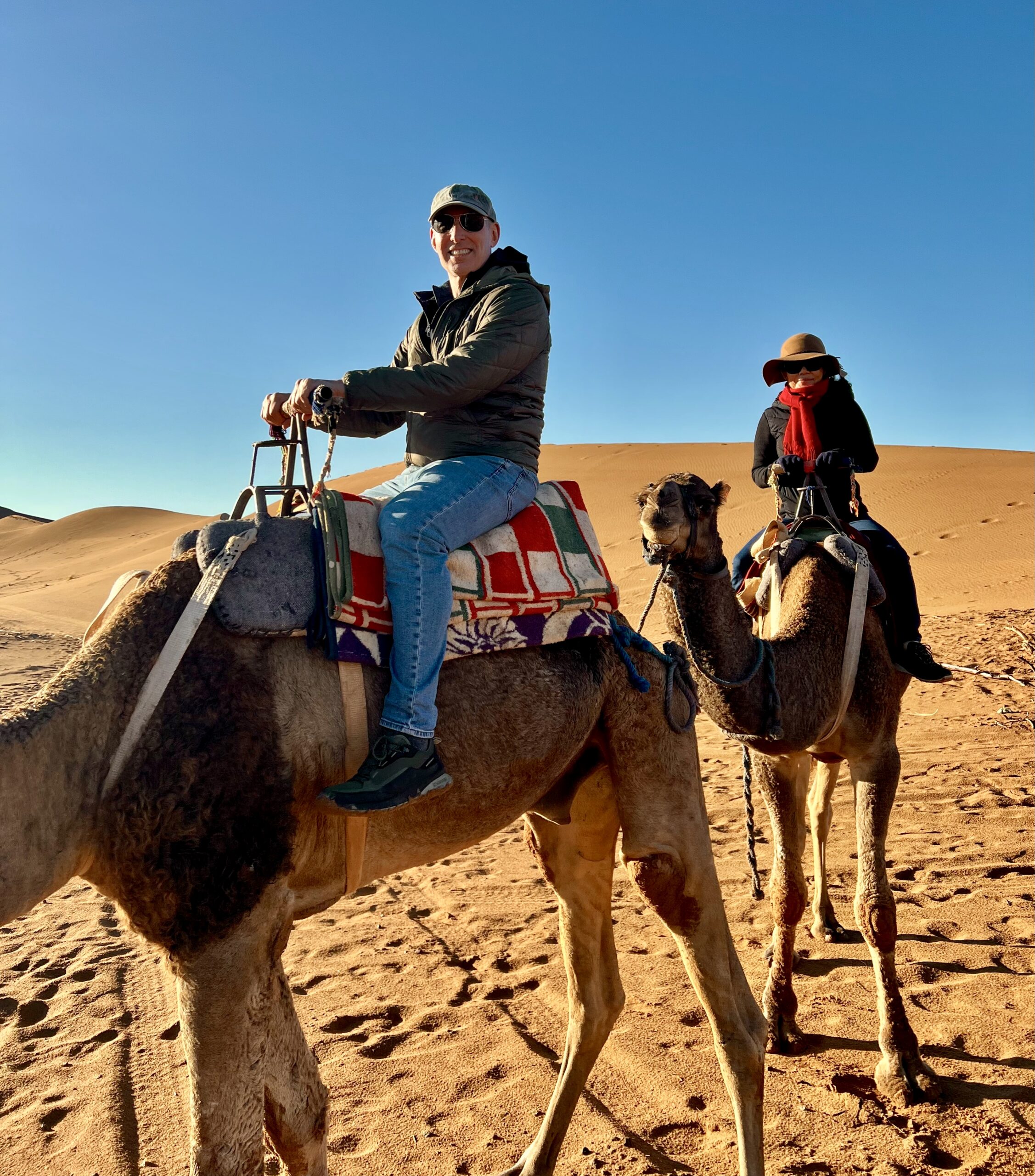
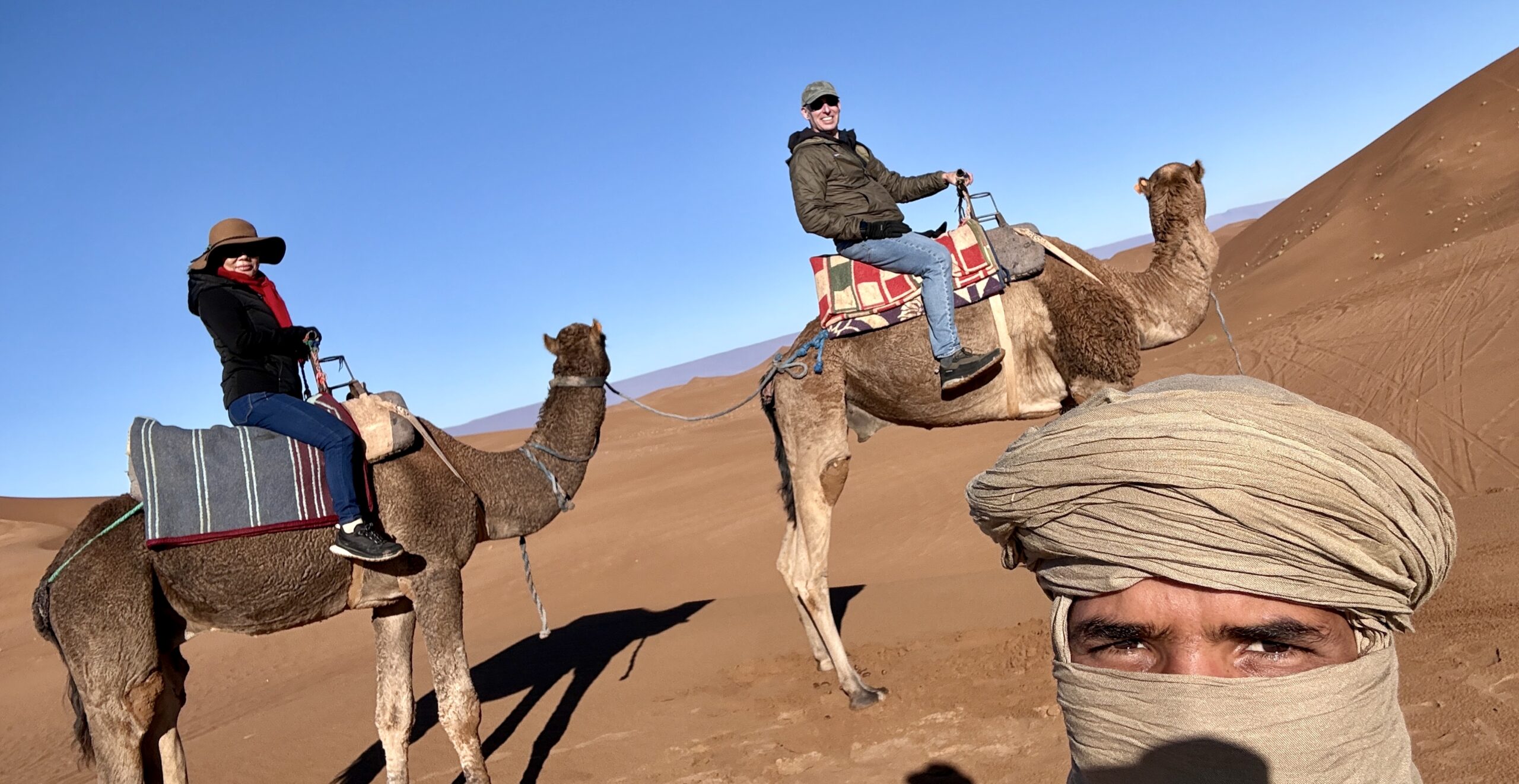
The people who truly understand this environment are the Berbers (native North-Africans), whose nomadic life is built around reading conditions most of us wouldn’t even notice — where water might appear, how to cross safely, when to move on. After dinner, the Berber tribesmen entertained us with traditional drumming, singing, and dancing, eventually convincing us to join in. Those photos are wisely embargoed. The next morning couldn’t have been more different: a camel ride at sunrise, brilliant light spilling across wide, open vistas of red sand, dunes rolling endlessly in every direction. Standing there, with the cold still in the air and the sun climbing fast, it made perfect sense how people have lived and crossed this landscape for centuries — cautiously, deliberately, and always on the desert’s terms.
Winter is Coming
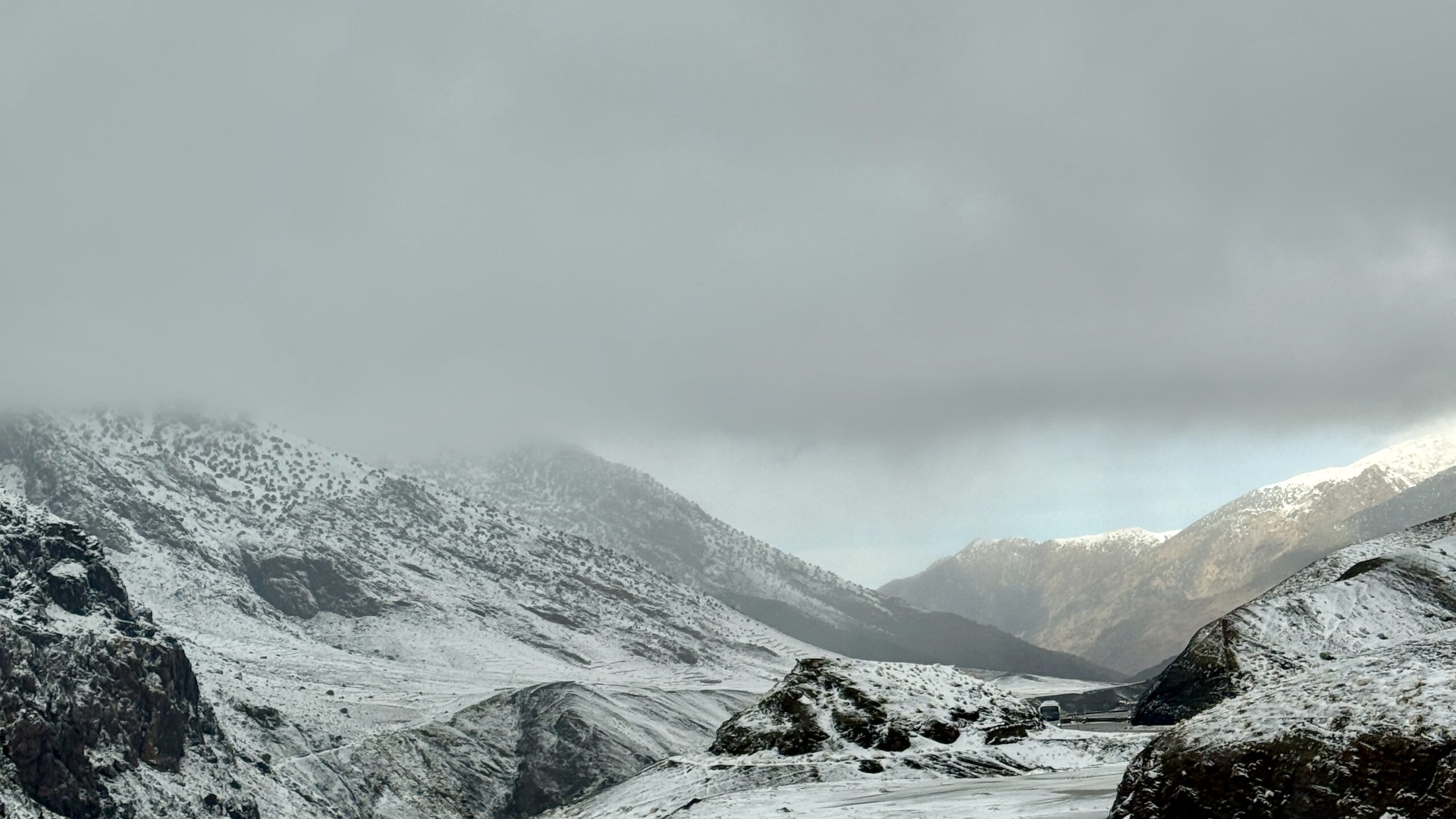
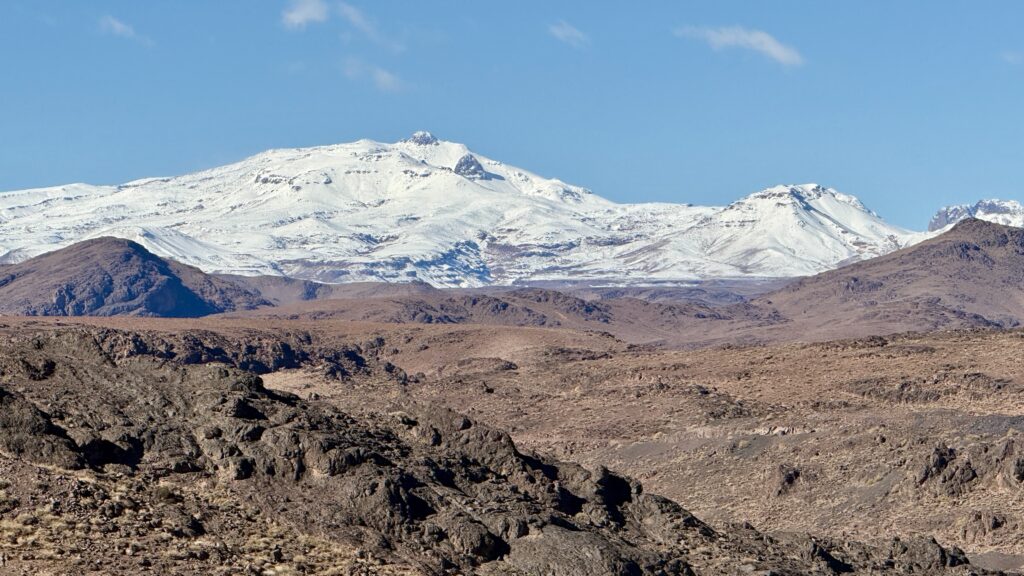
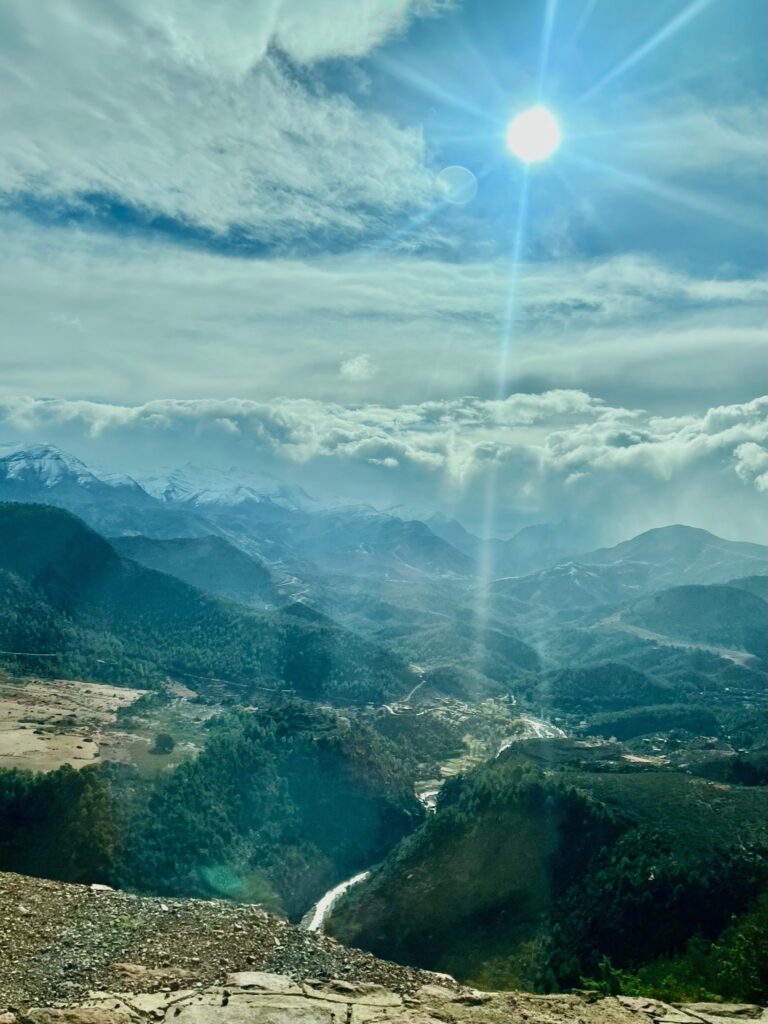
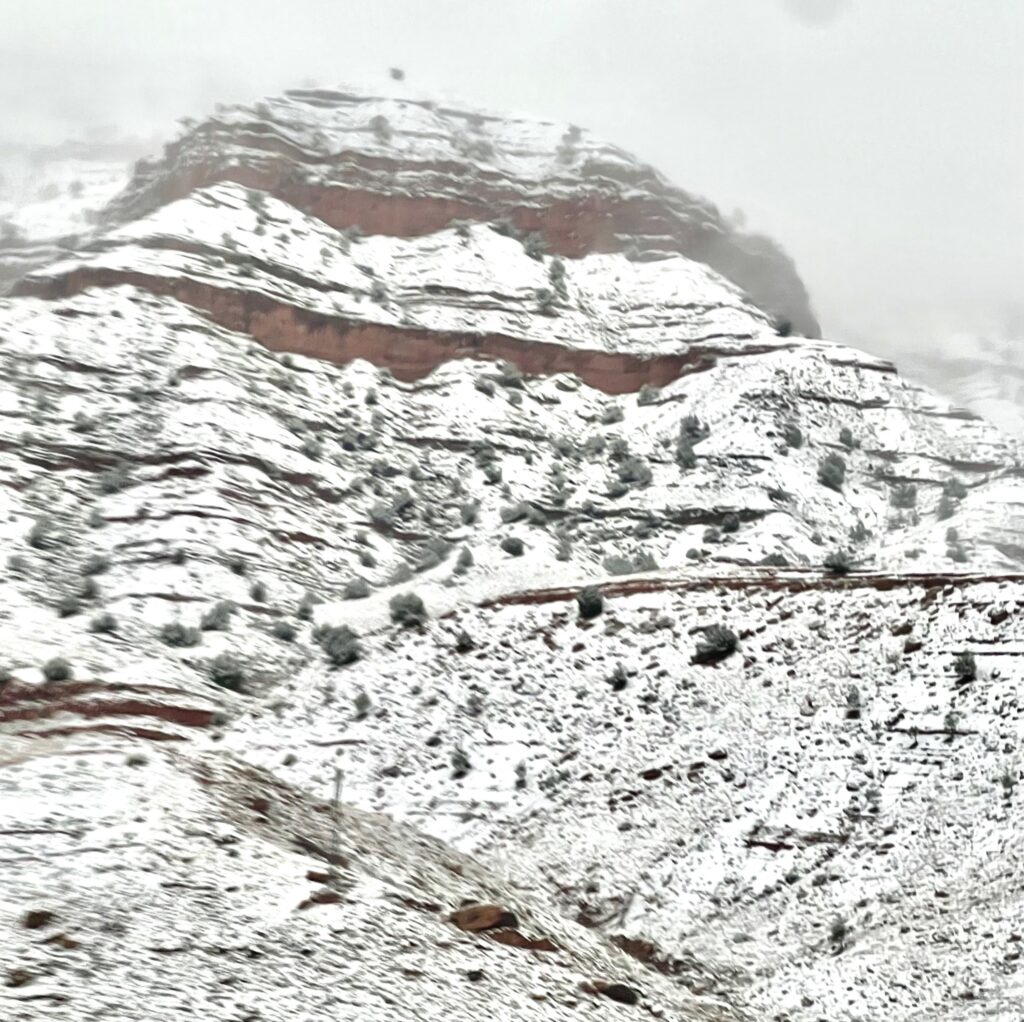
The mountains in Morocco are serious terrain. The High Atlas rises fast, rocky and steep, and seeing it covered in snow completely changes their appearance. Snow on those peaks isn’t subtle — it’s bright, heavy, and dramatic against dark rock and brown valleys below. At the center of it all is Jebel Toubkal, the highest peak in Morocco and North Africa, topping out at 4,167 meters (13,671 feet). Clouds roll through quickly, temperatures drop fast, and winter weather is very quickly real.
One thing that really stood out was the quality of the roads. Morocco has invested heavily in infrastructure, especially with the FIFA World Cup coming, which it’s co-hosting, and it shows. Highways and mountain roads are smooth, well marked, and easy to drive — right up until the weather has other ideas. Snow forced a road closure in the High Atlas, which meant we couldn’t stay at our planned mountain hotel. It was disappointing on paper, but in practice it was just how winter in real mountains works. You adapt and keep moving — in our case, that meant a ten-hour detour back to Marrakech.
Our driver Mr. Khalid made all of that manageable. He stayed with us for the entire trip and handled every change without stress. He found excellent restaurants we never would have stopped at on our own, helped us buy fresh saffron directly from local co-ops, and seemed to know everyone everywhere. More importantly, he always knew where we were and how to get where we needed to go, even when plans shifted. In the mountains especially, that kind of local knowledge matters.
Nightlife – Comptoir Darna
Moroccan nightlife doesn’t really stop — it just shifts gears. While we were there, Morocco beat Jordan 3–2 after extra time in the 2025 FIFA Arab Cup final, and the reaction was instant. We didn’t even need a screen to know the result. Every waiter, cook, and staff member paused for a moment and then broke into that unmistakable celebratory cheer — ululation, commonly called zaghrouta (زغرودة), the sharp, high-pitched trilling sound that tells you something big just happened. Within minutes, the whole city took over.
The celebration rolled late into the night, with kids standing up through sunroofs, hanging out of car doors, all waving Moroccan flags like it was a national holiday. Cars crawled through the streets honking, people shouting and laughing, and everywhere you looked the energy was electric. Police were present and kept a calm watch, making sure things stayed loud but mostly safe and peaceful. When Morocco wins a game like that, it isn’t subtle — and it definitely isn’t quiet.
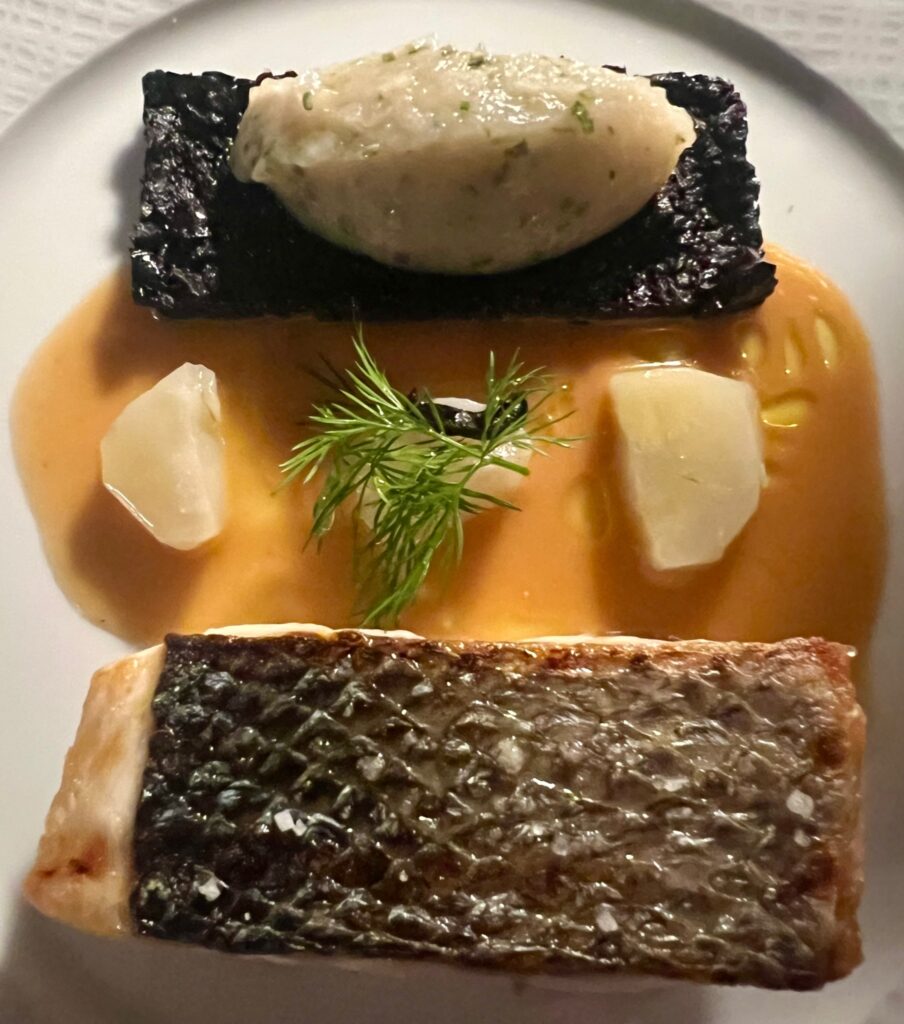
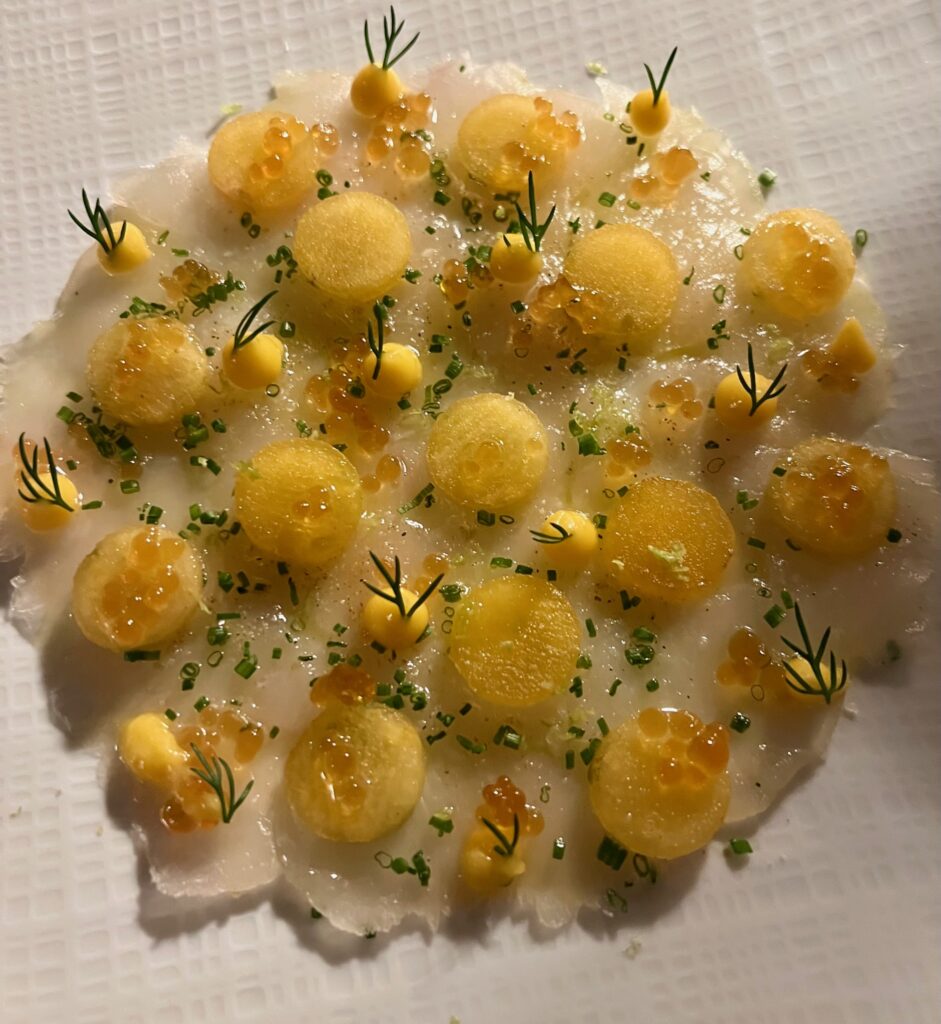
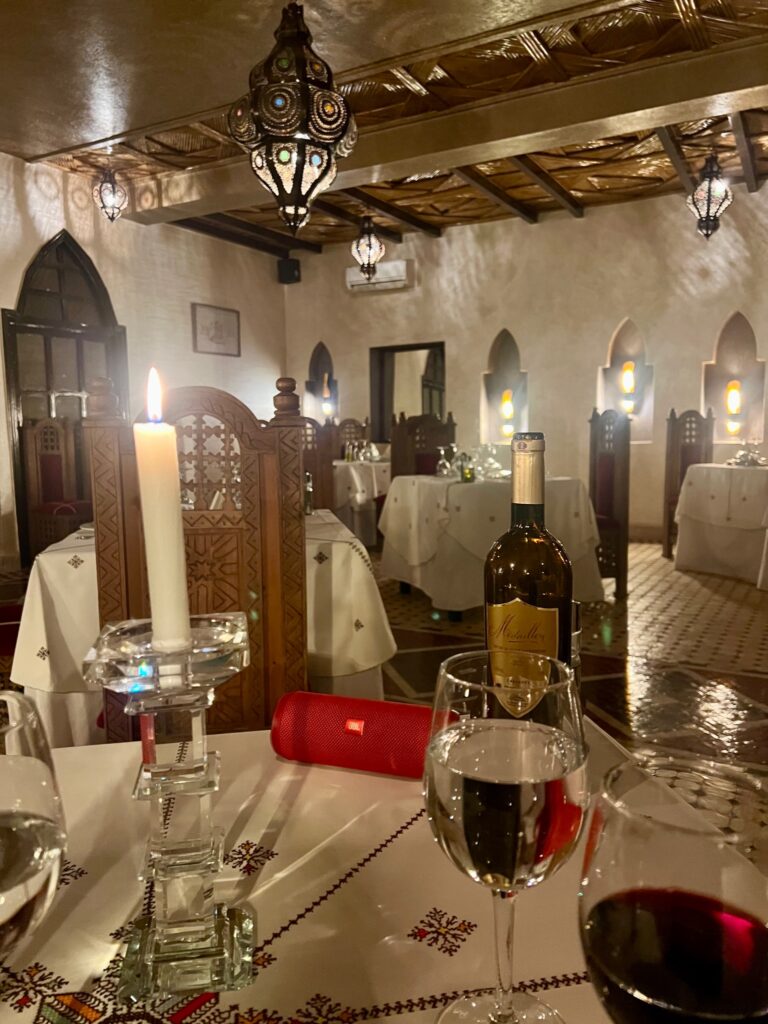
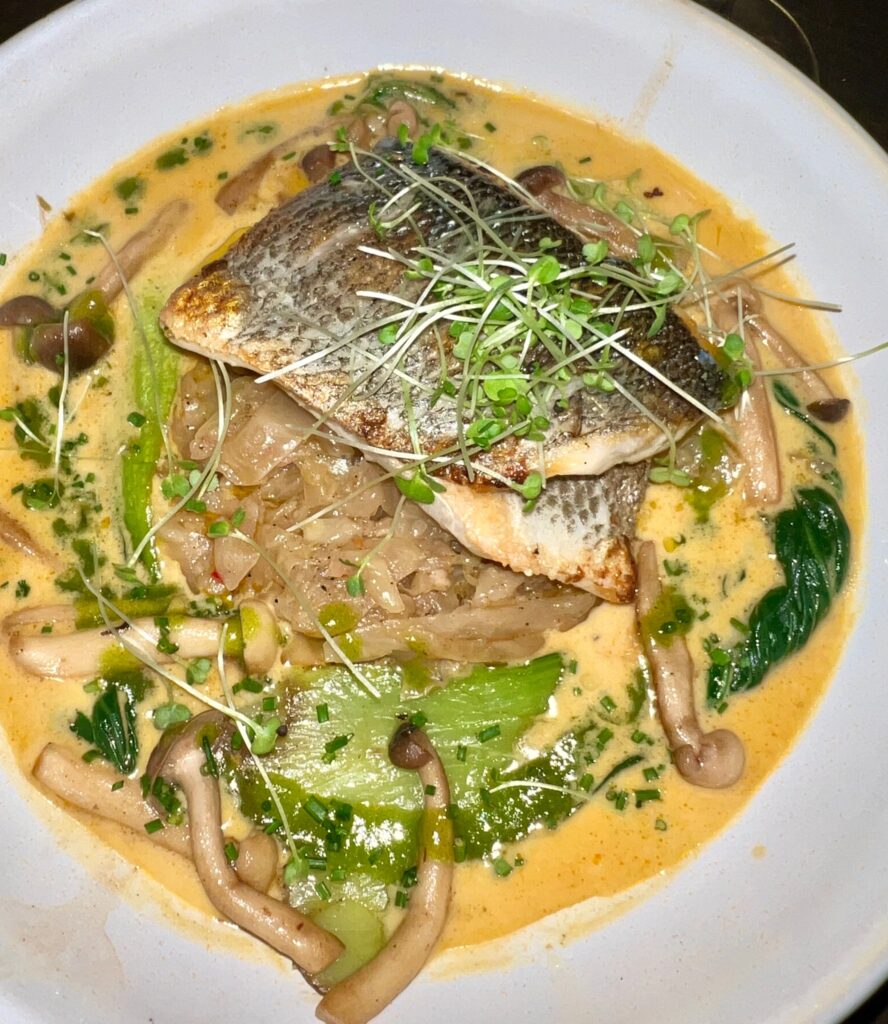
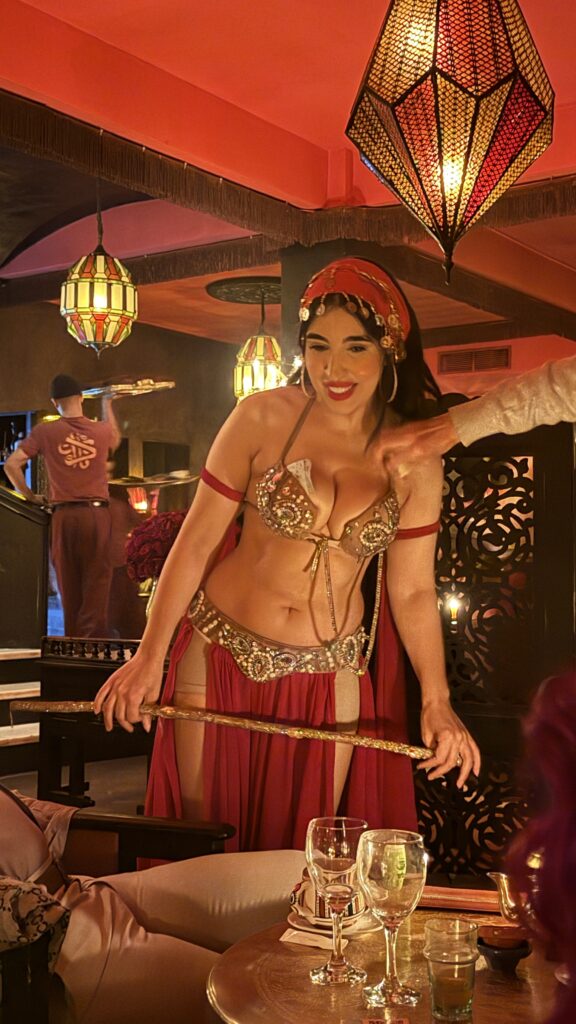
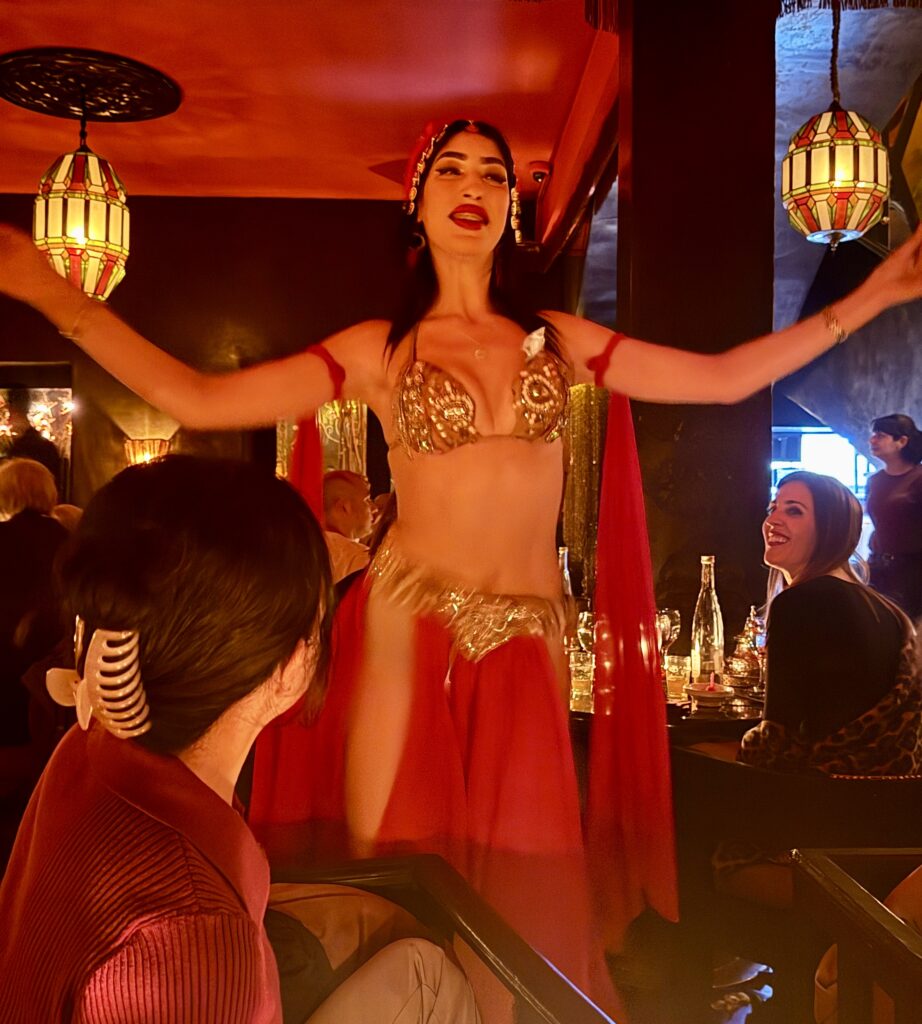
On our final night we dined at Comptor Darna and the meal and show were both outstanding. Comptoir Darna is the kind of place where you settle in and end up staying longer than planned. The dining room is elegant but relaxed, and the staff were helpful in walking us through the menu and making suggestions. I started with chicken pastilla — a French-influenced Moroccan classic of savory, lightly sweet spiced chicken wrapped in flaky pastry — while Eunjae had the tuna tartare, fresh and well prepared. For mains, I had the miso-glazed salmon and Eunjae ordered the sea bass with bok choy. We drank a Moroccan Chardonnay that was excellent, and the service was attentive without ever rushing us.
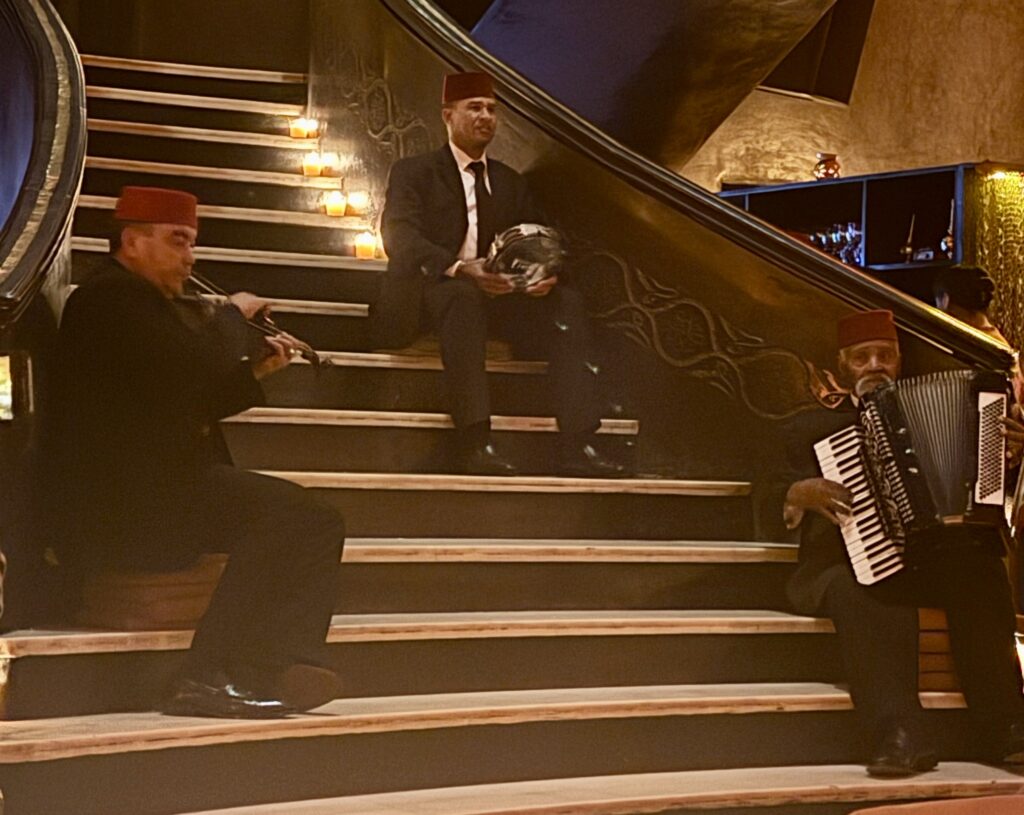
As the evening unfolded, the entertainment built naturally. Traditional singers came first, performing from the staircase and setting the mood for the night.
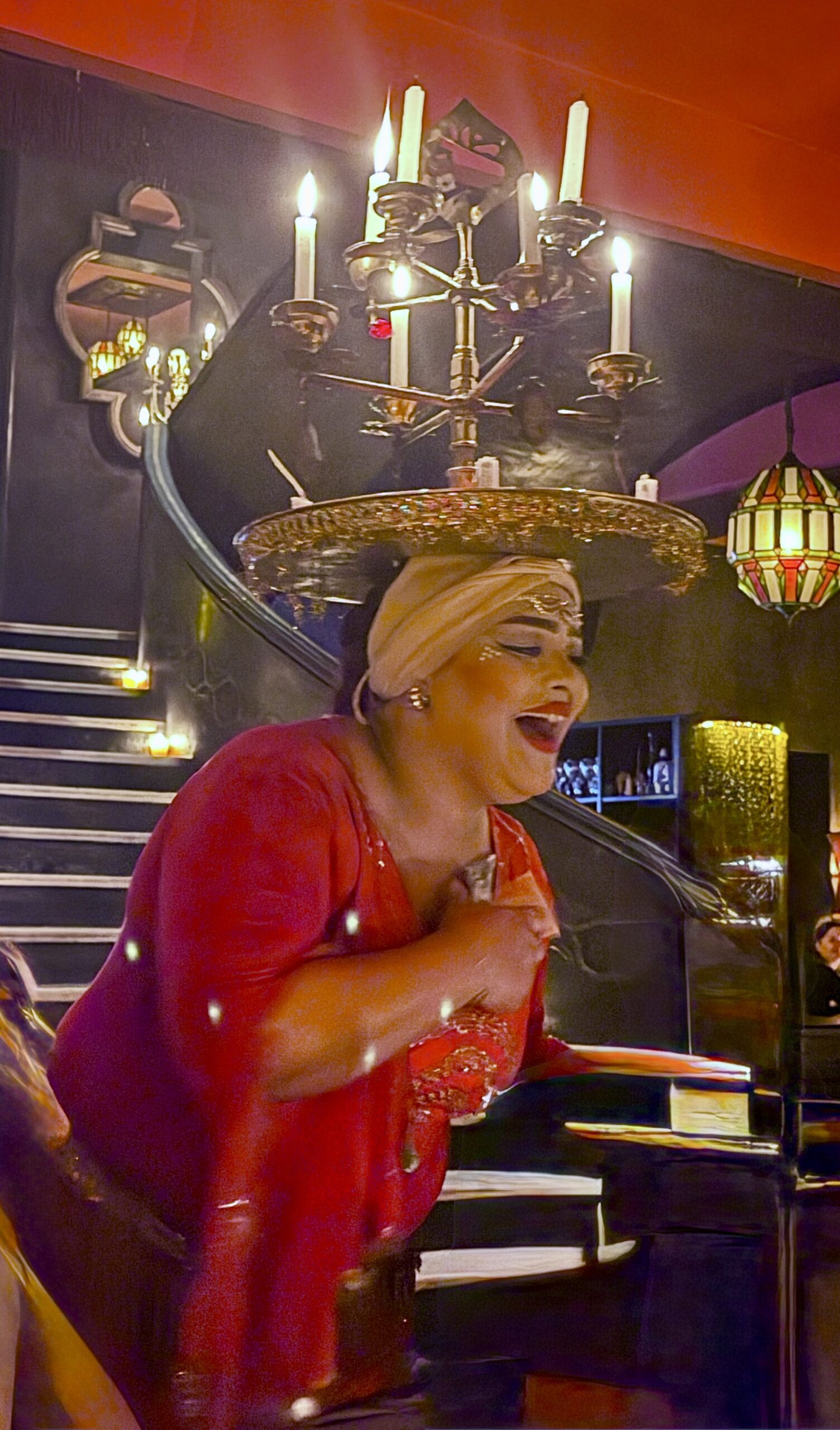
They were followed by women performing shamadan — the traditional dance where candelabras are balanced on the head — moving slowly and gracefully through the room.
Only after that did the belly dancers take the floor, energetic and confident, pulling the room fully into nightlife mode. It all felt well paced and intentional, turning dinner into a full evening experience rather than just a meal with a show attached.
Atlas Studios – The North African Hollywood
Atlas Studios is often called North Africa’s Hollywood, and once you’re there, it’s easy to see why. Massive outdoor sets stretch across the desert, many built to stand in for ancient Egypt, Rome, or Jerusalem, and they’ve been reused, repainted, and repurposed for decades. Films shot here include Gladiator, Gladiator II, The Mummy, Ben-Hur, Kingdom of Heaven, Babel, Prince of Persia: The Sands of Time, and parts of Game of Thrones.
Our guide was candid about how the place works: most of the Egyptian-style sets are built for speed and scale, not historical accuracy. The hieroglyphics are decorative, often meaningless, and painted to read well on camera rather than be correct. A typical set builder earns around 30 euros a day, which puts into perspective how much work goes into scenes that may only appear on screen for seconds.
One detail that stuck with us came up when we walked through the Tibetan sets used for Martin Scorsese’s Kundun. The guide explained that when Chinese tour groups visit, this set isn’t shown at all due to political sensitivities. It was a reminder that Atlas isn’t just about movie history — it still operates within very real modern constraints.
It’s a working studio, not a museum, and that reality runs through everything.
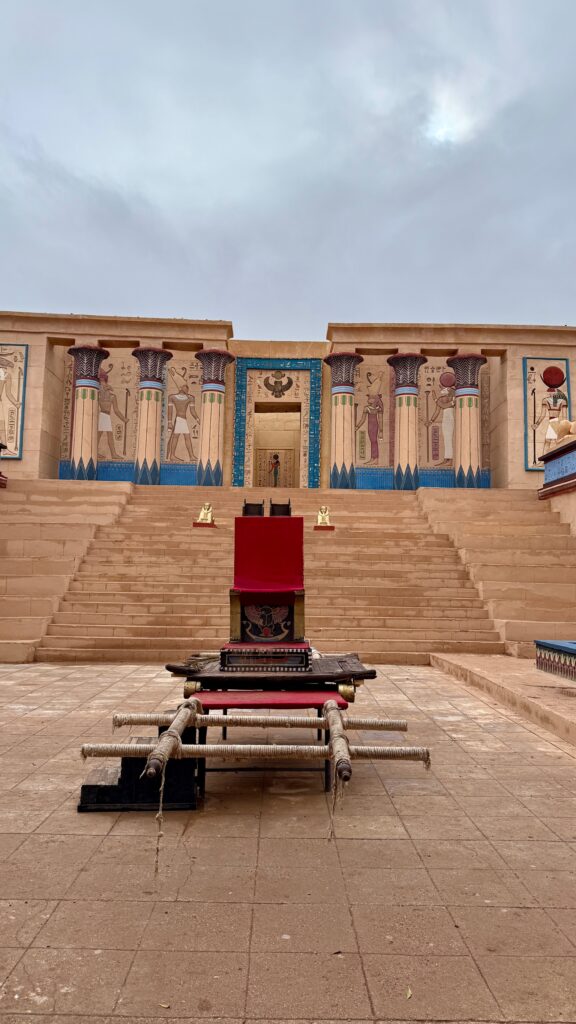
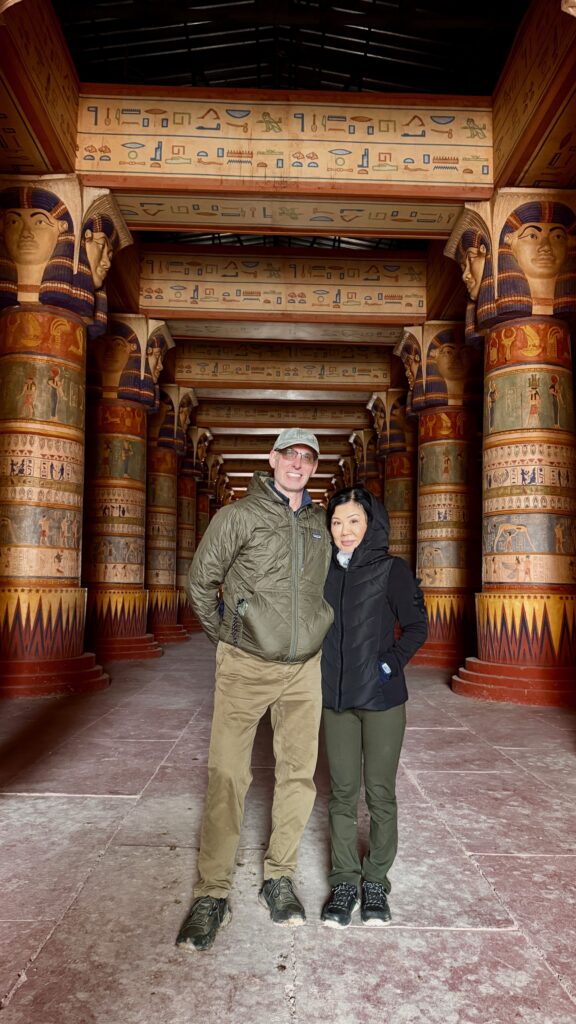
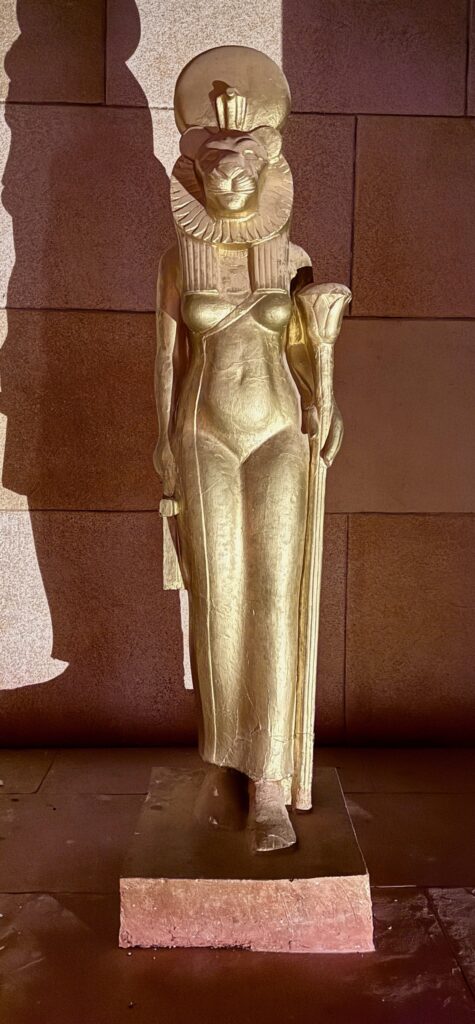
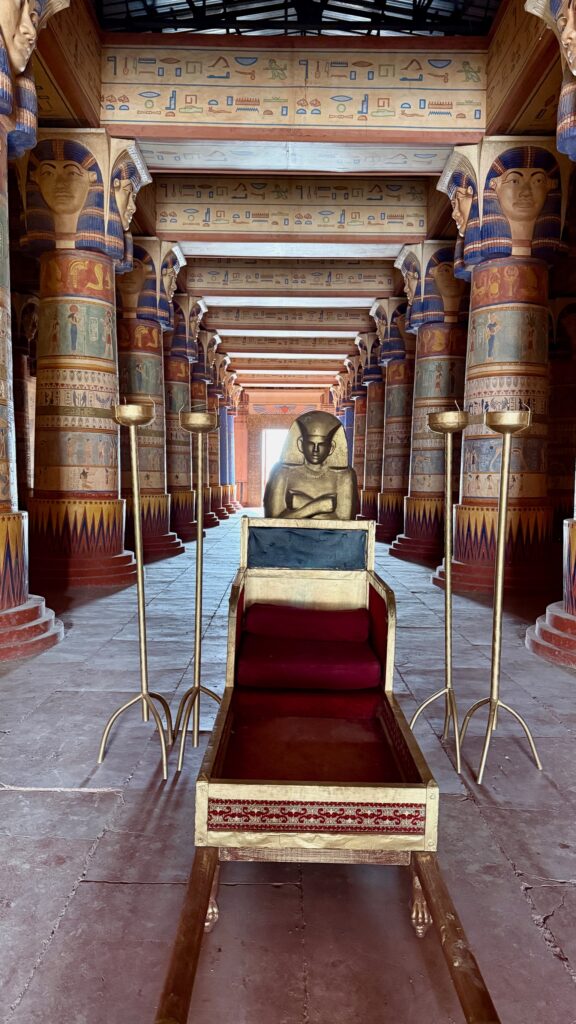
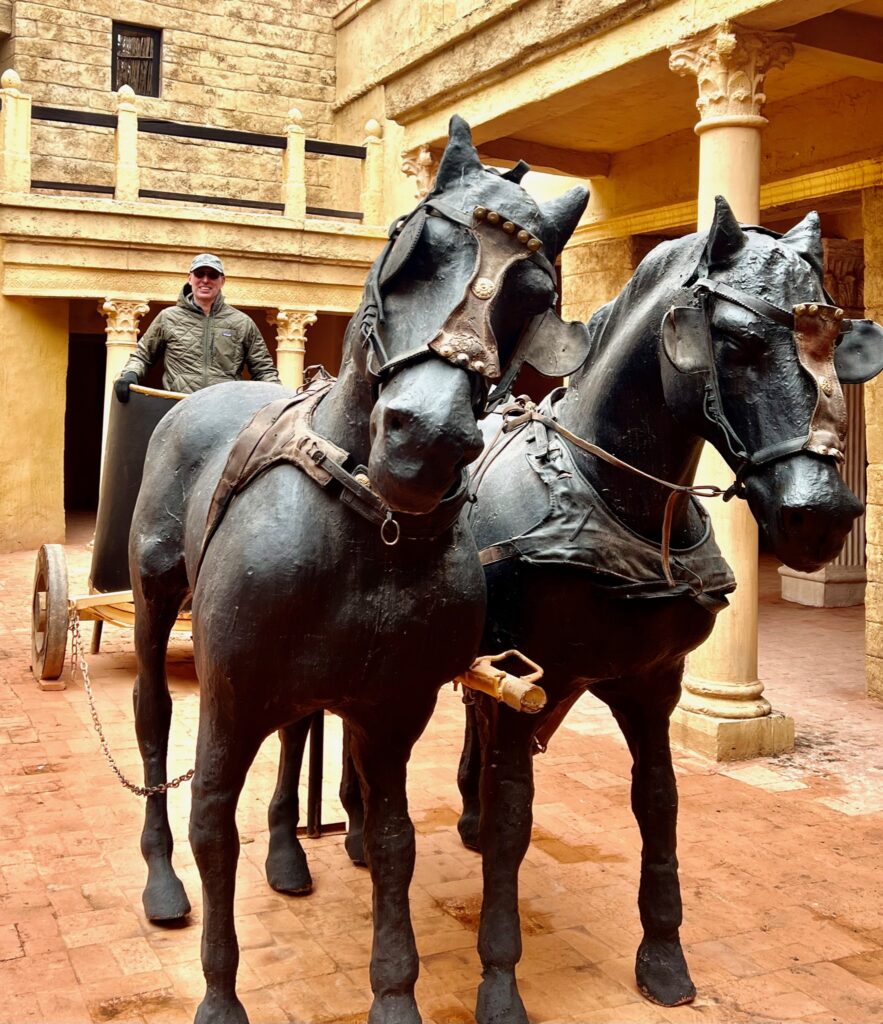
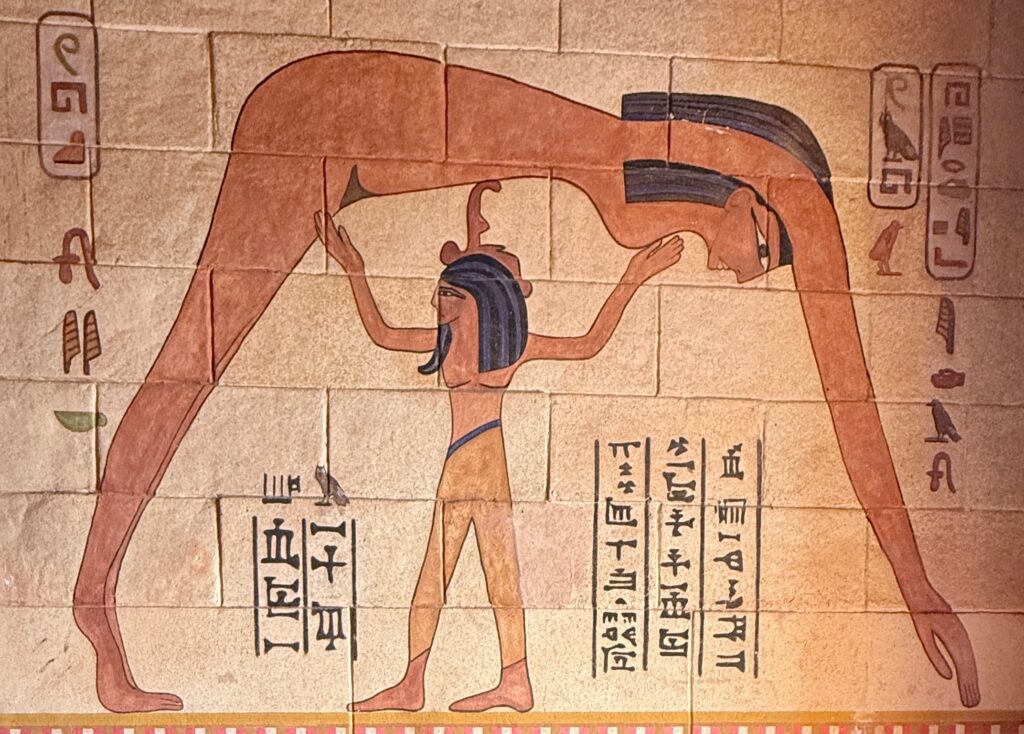
Eunjae made a movie here, which gave the visit an extra layer of meaning and made walking through those sets feel a little less abstract and a lot more personal.
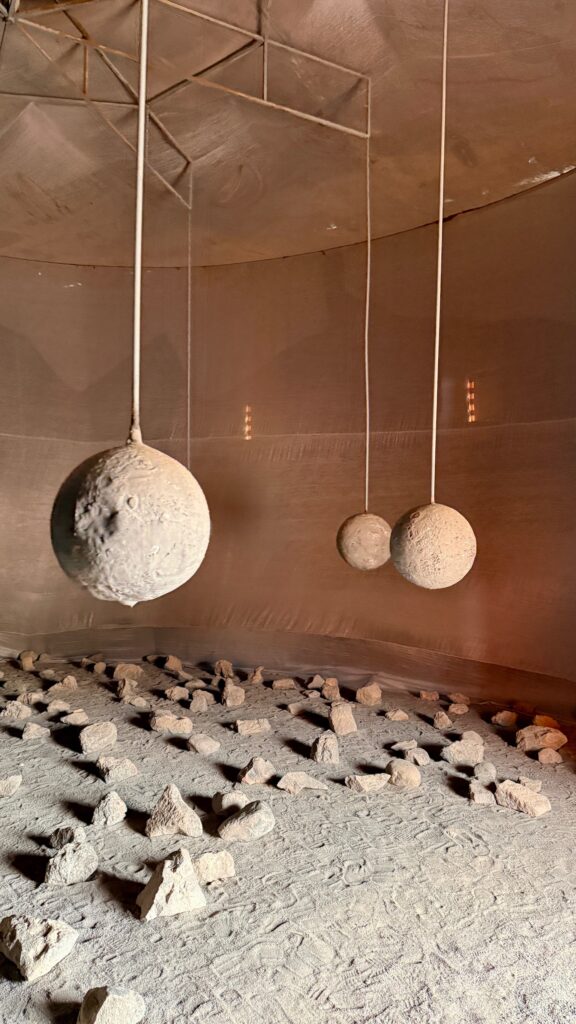
One of the most interesting reminders of how movie magic actually works was a set built for Hermès | The Power of Attraction, a commercial that debuted about five years ago. The finished spot is sleek, controlled, and meticulously choreographed — the kind of thing that feels impossibly refined when you watch it on screen. Standing in front of the real set, though, is almost disorienting. In person, it looks basic, even crude: simple materials, rough textures, nothing that suggests elegance on its own. The photo below shows the set preserved exactly as it exists in real life, and without context, you’d never guess what it became.
That contrast is the point. Lighting, camera angles, movement, sound, and post-production do the heavy lifting, transforming something very ordinary into something polished and expensive-looking. Seeing the set stripped of those layers and makes you appreciate just how much discipline and planning goes into selling an illusion for sixty seconds. It’s also a good reminder that what feels luxurious on screen often starts out looking anything but.
Visiting the Past – Amezrou & Marrakech Slave Market
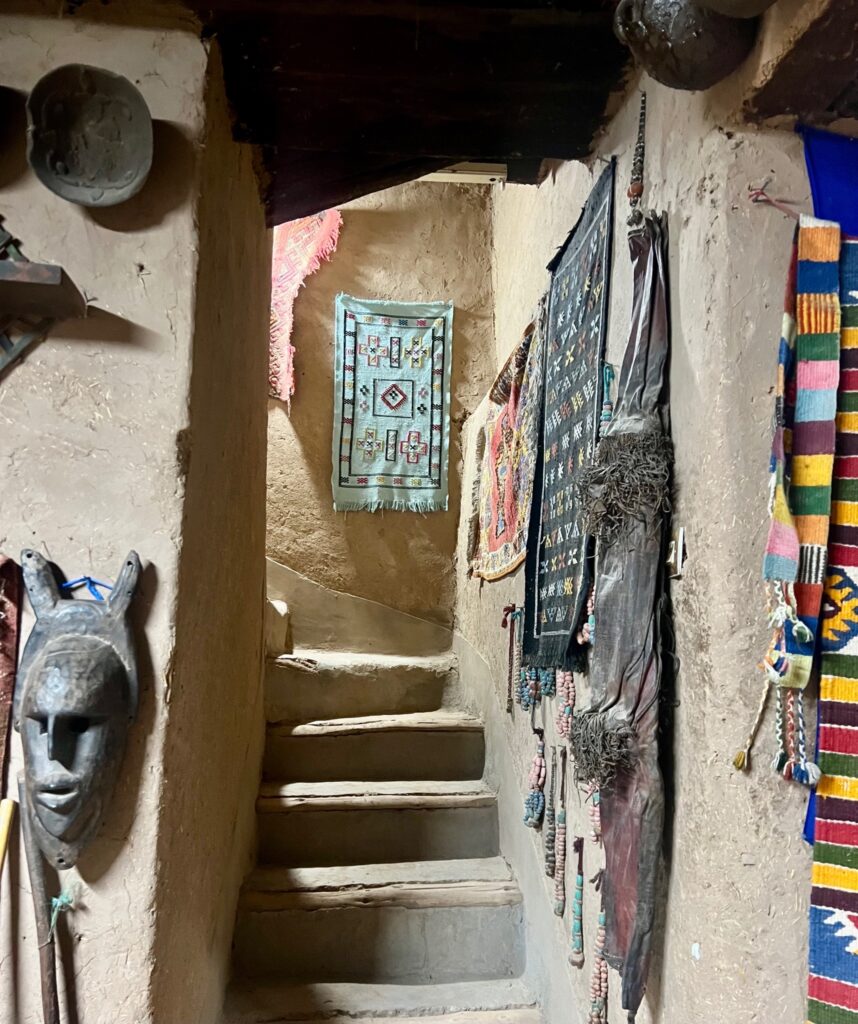
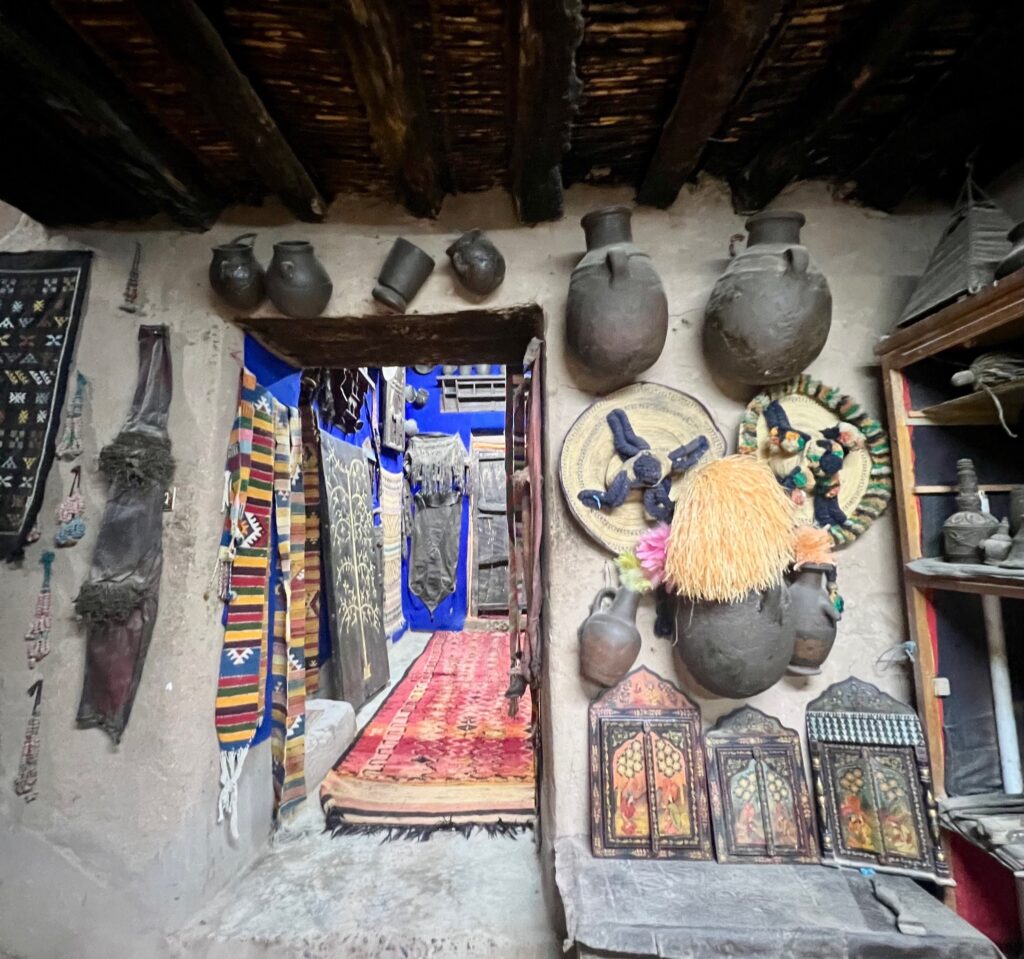
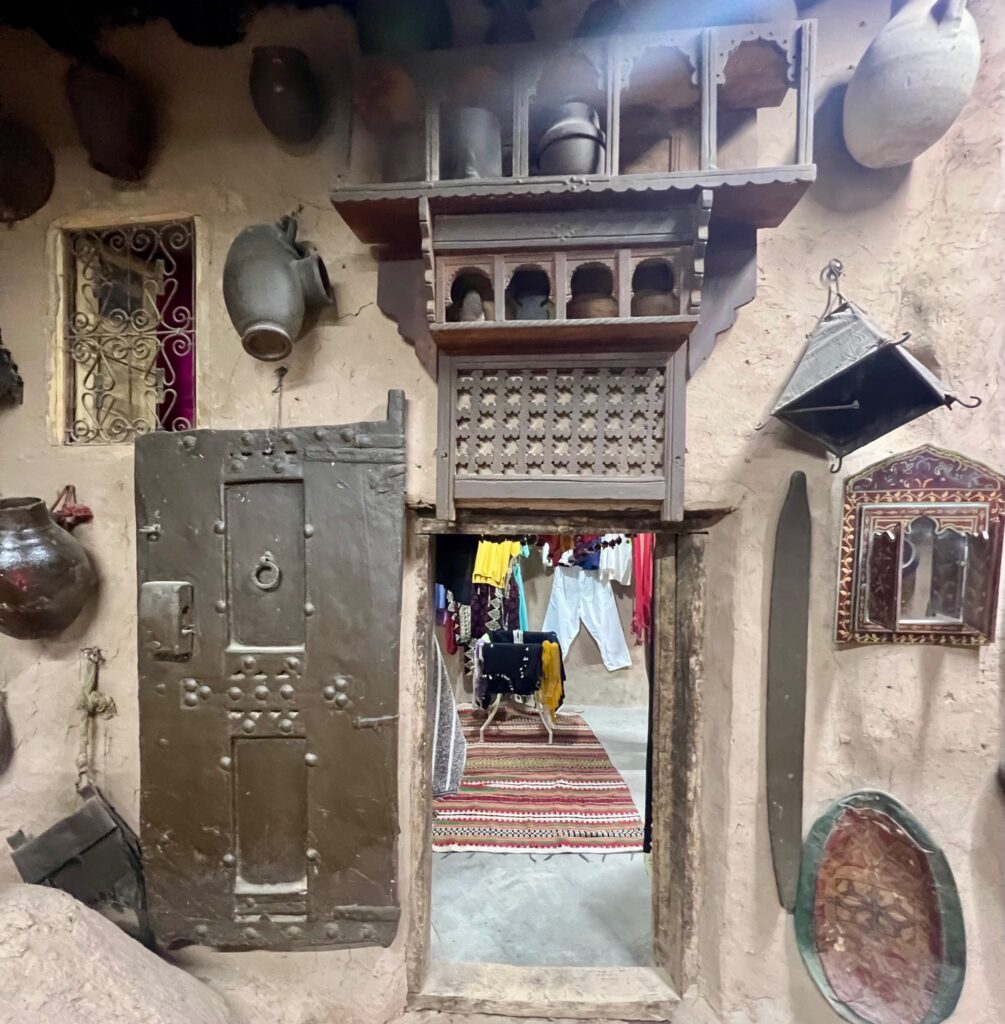
Amezrou sits just outside Zagora and genuinely feels like stepping back in time. Dirt streets, thick mudbrick walls, no indoor plumbing in most of the older buildings, and electricity that arrived relatively recently. Many of the homes that are occupied now do have power, but the place hasn’t been modernized in any cosmetic way. It’s not curated or cleaned up for visitors — people live here, work here, and move through spaces that have been standing for centuries.
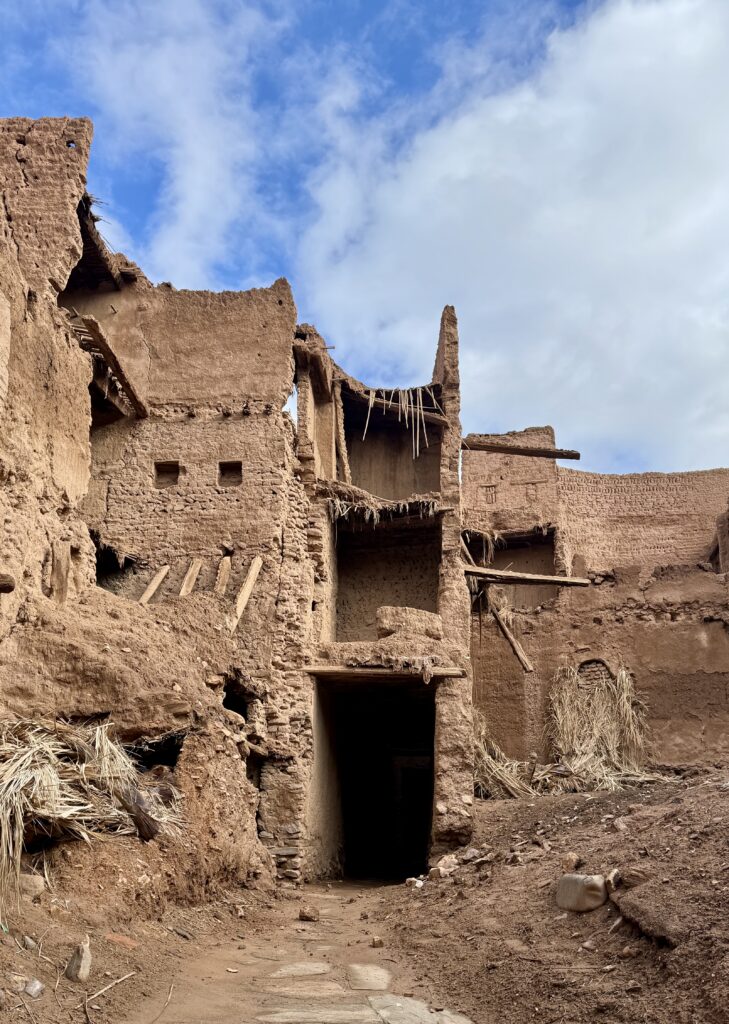
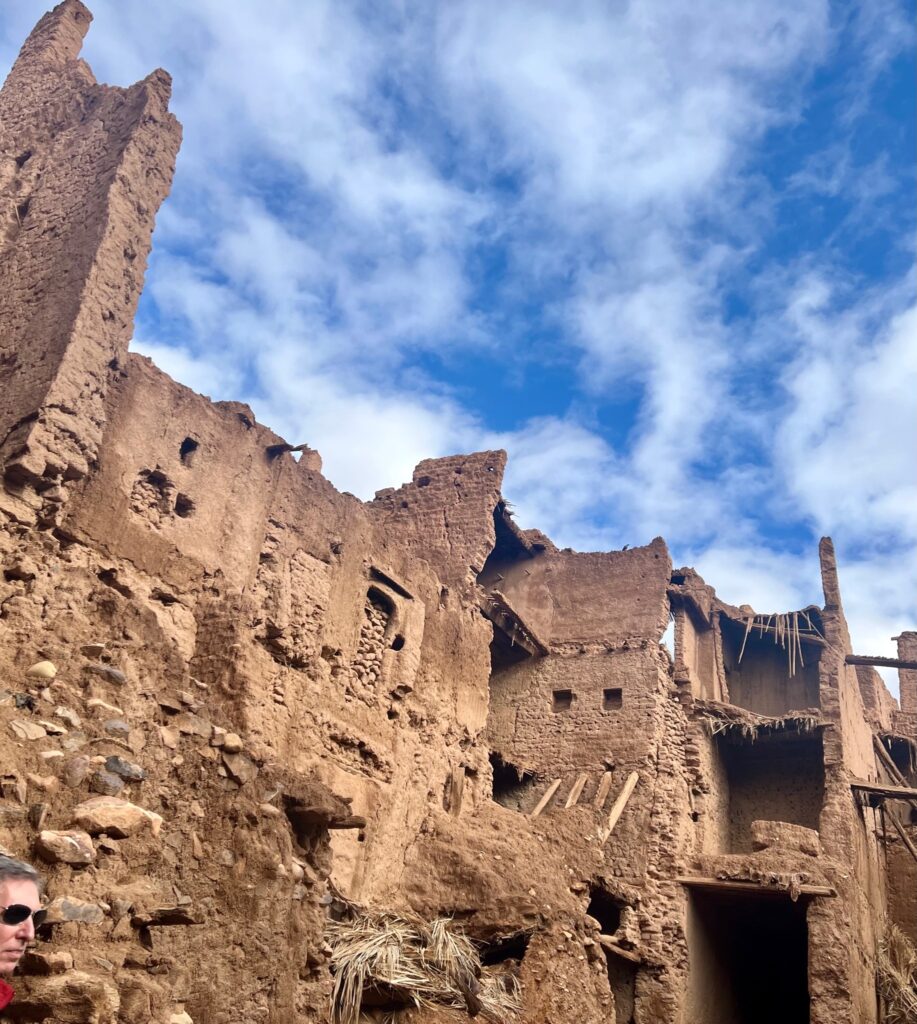
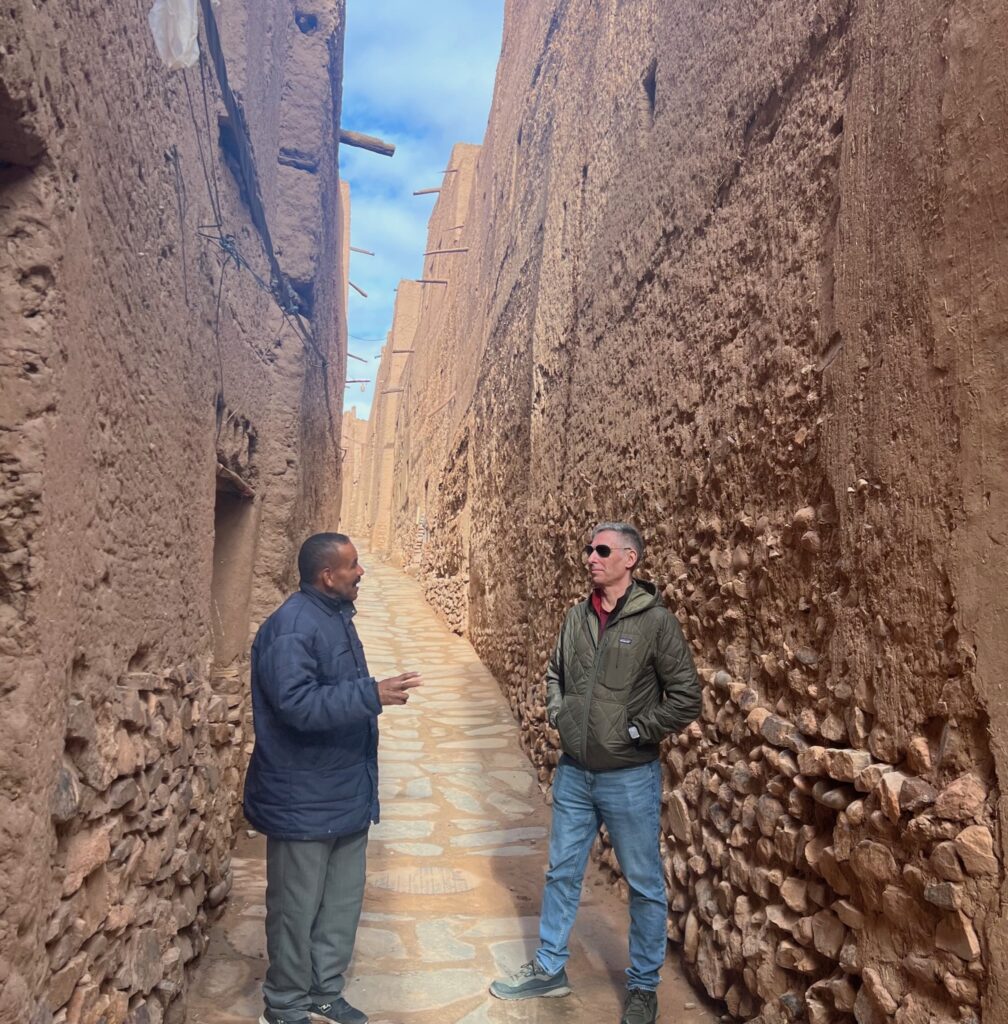
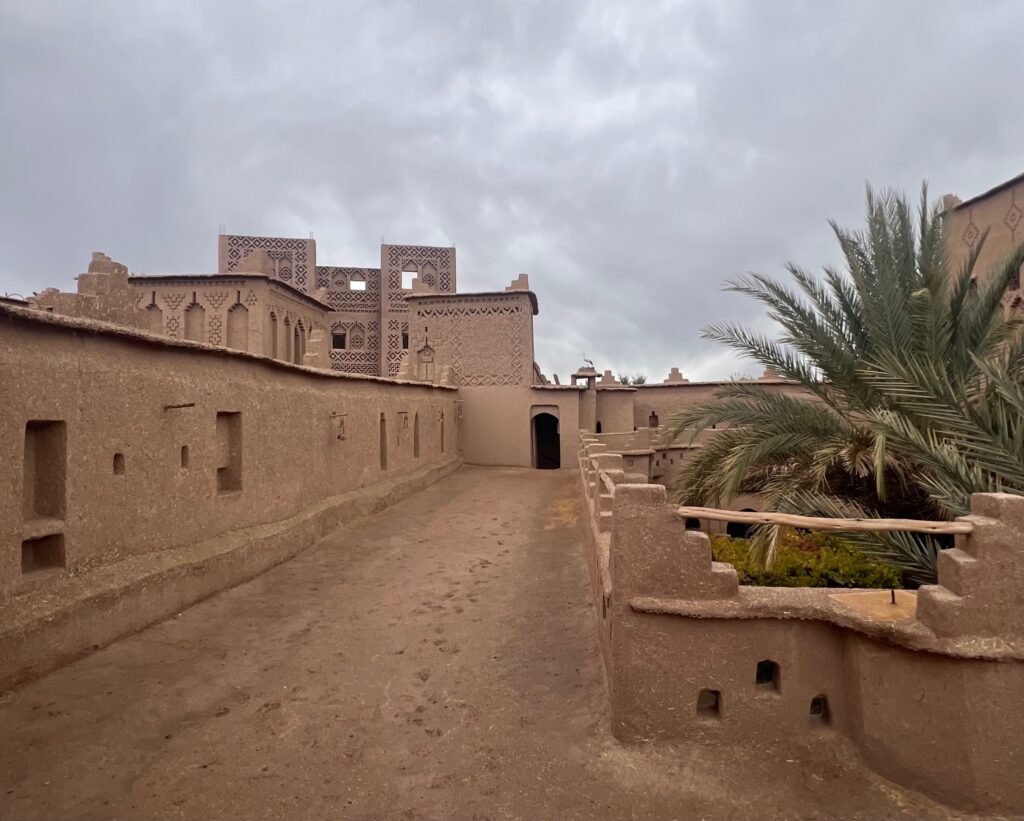
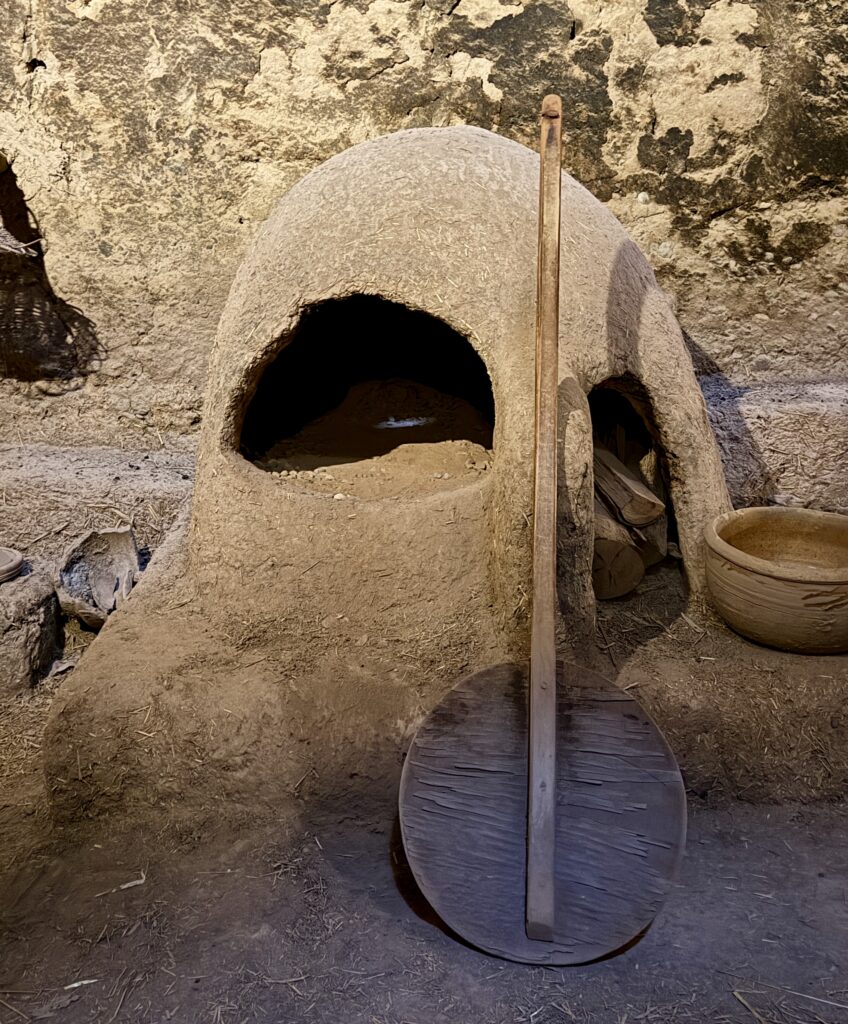
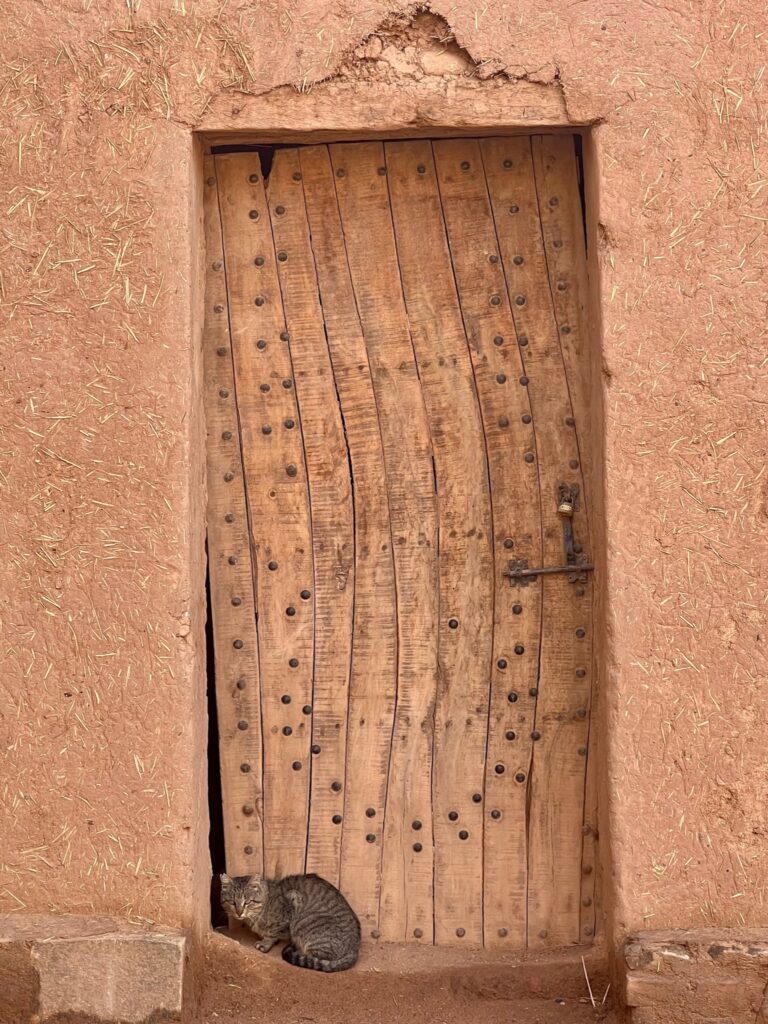
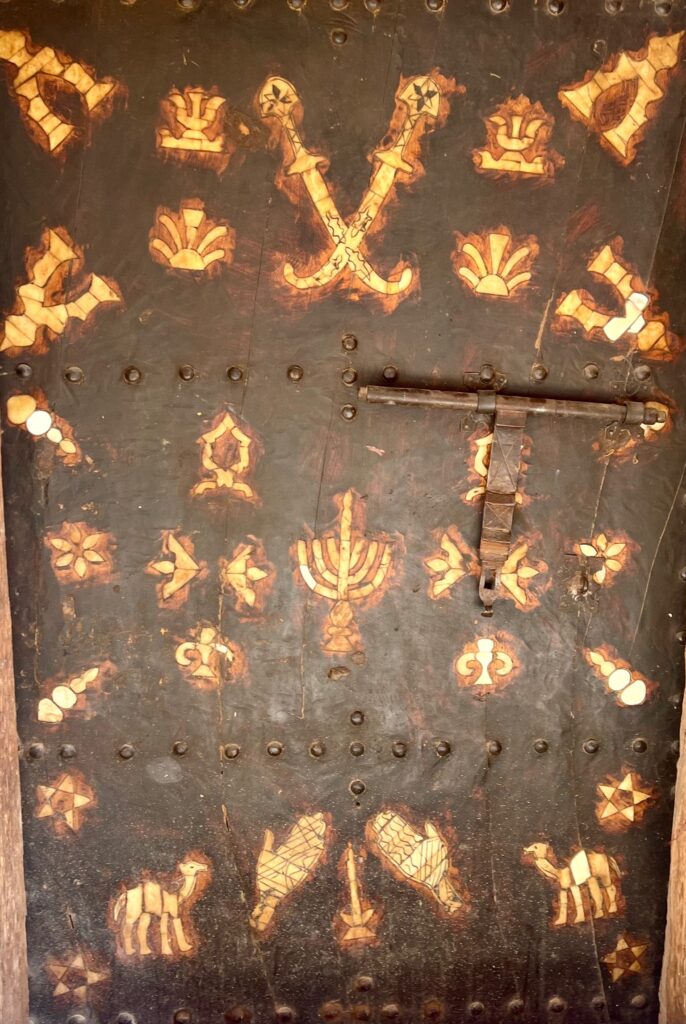
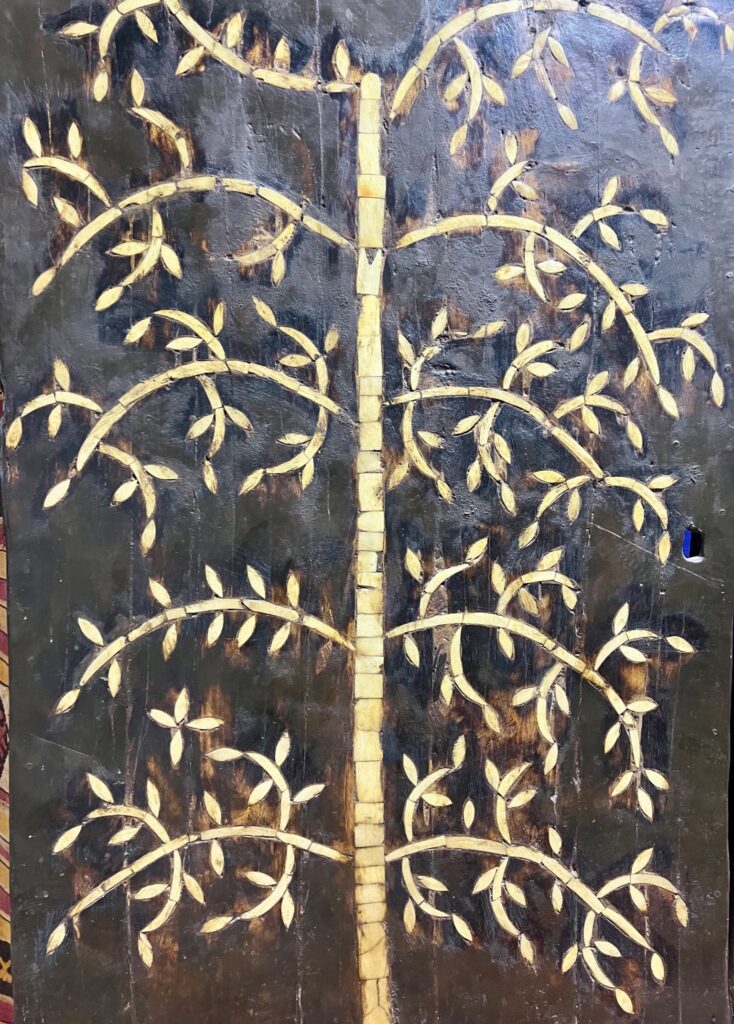
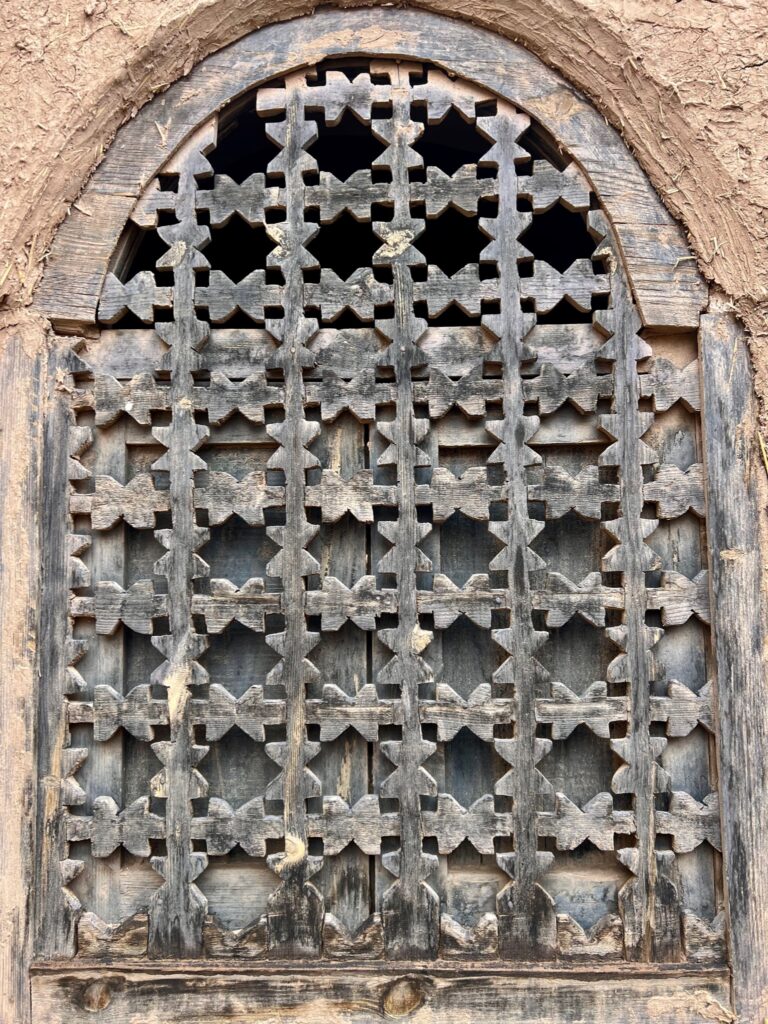
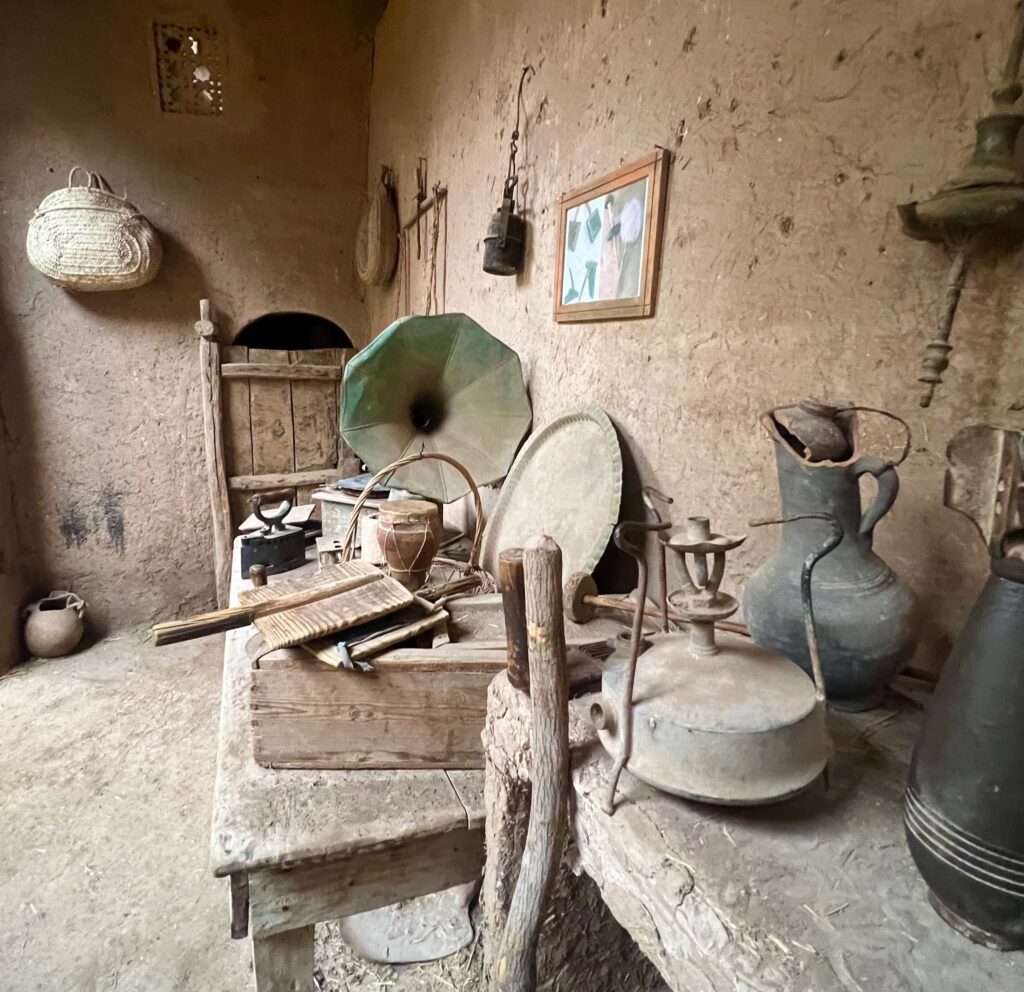
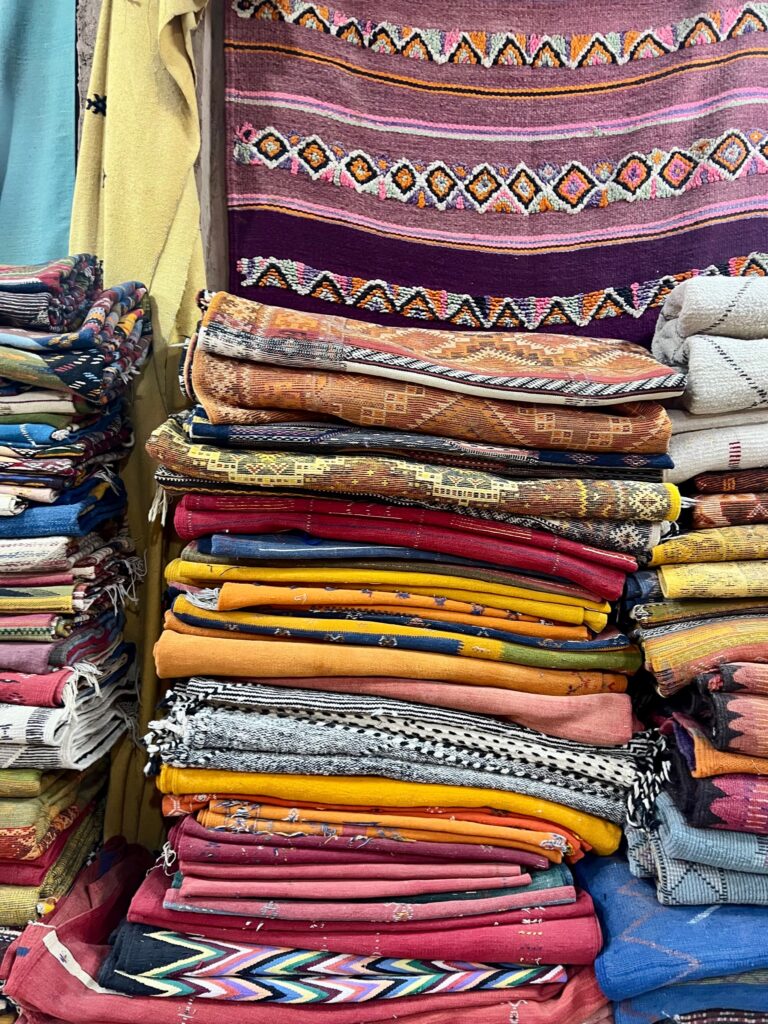
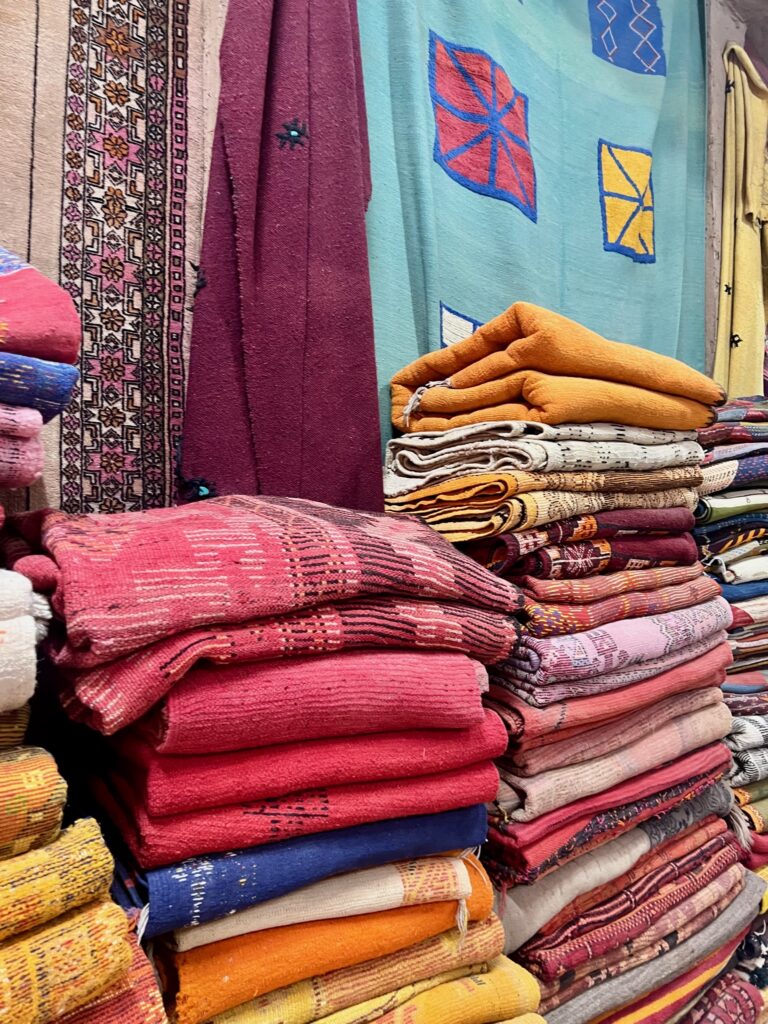
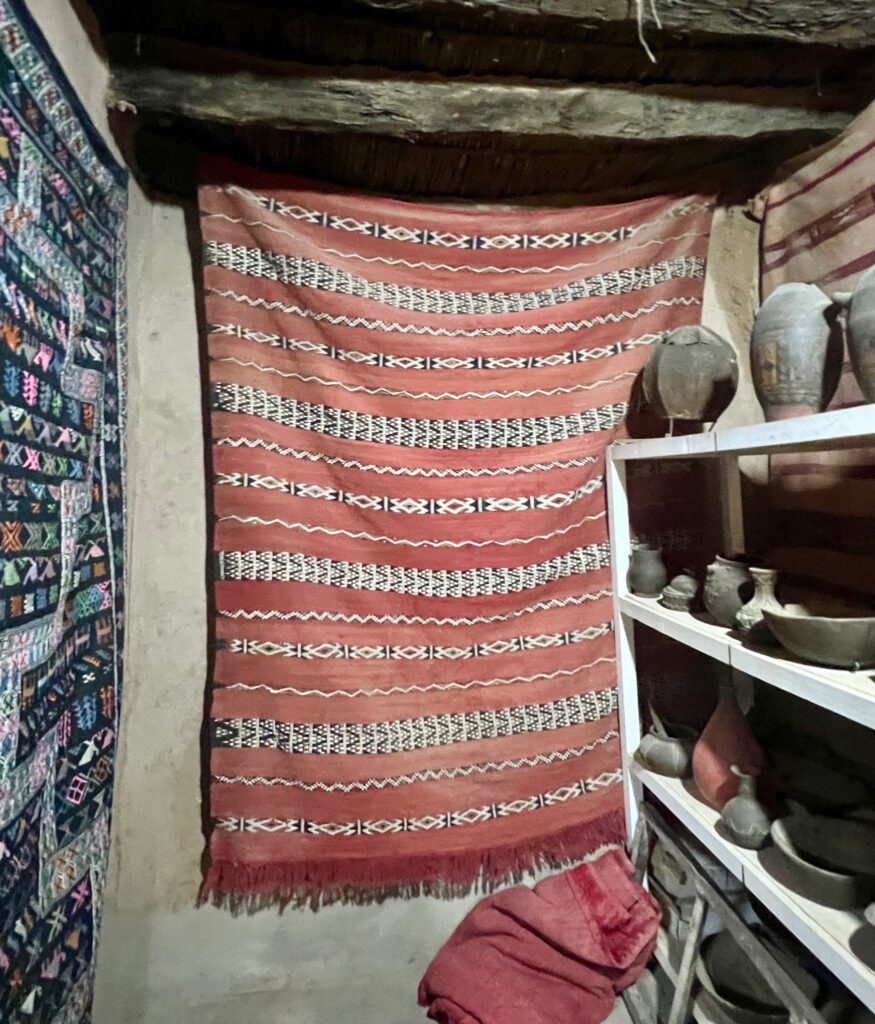
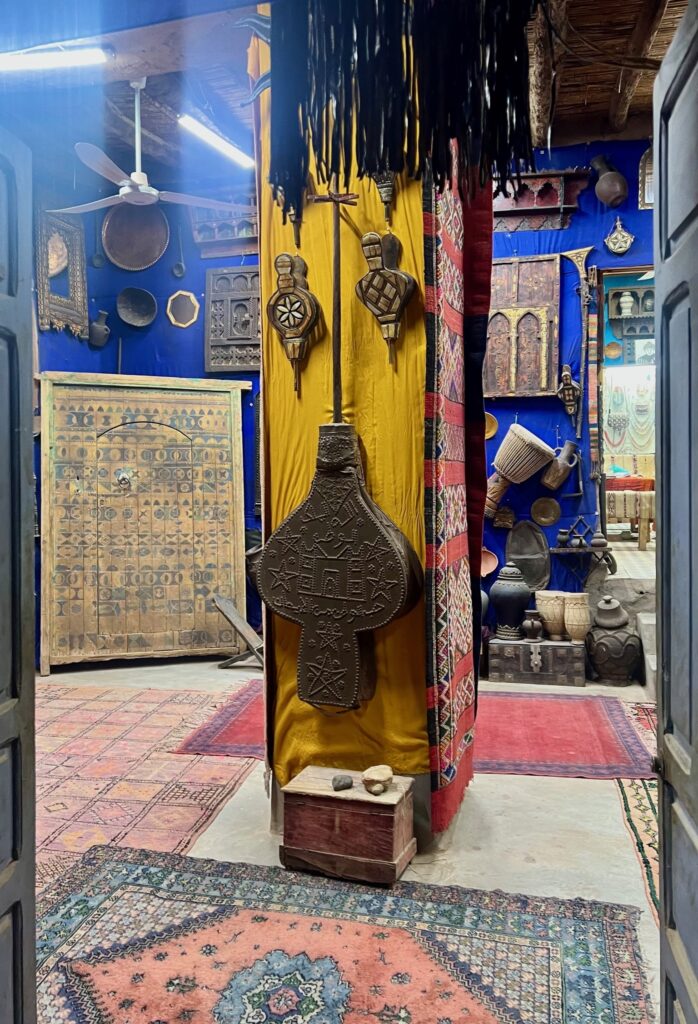
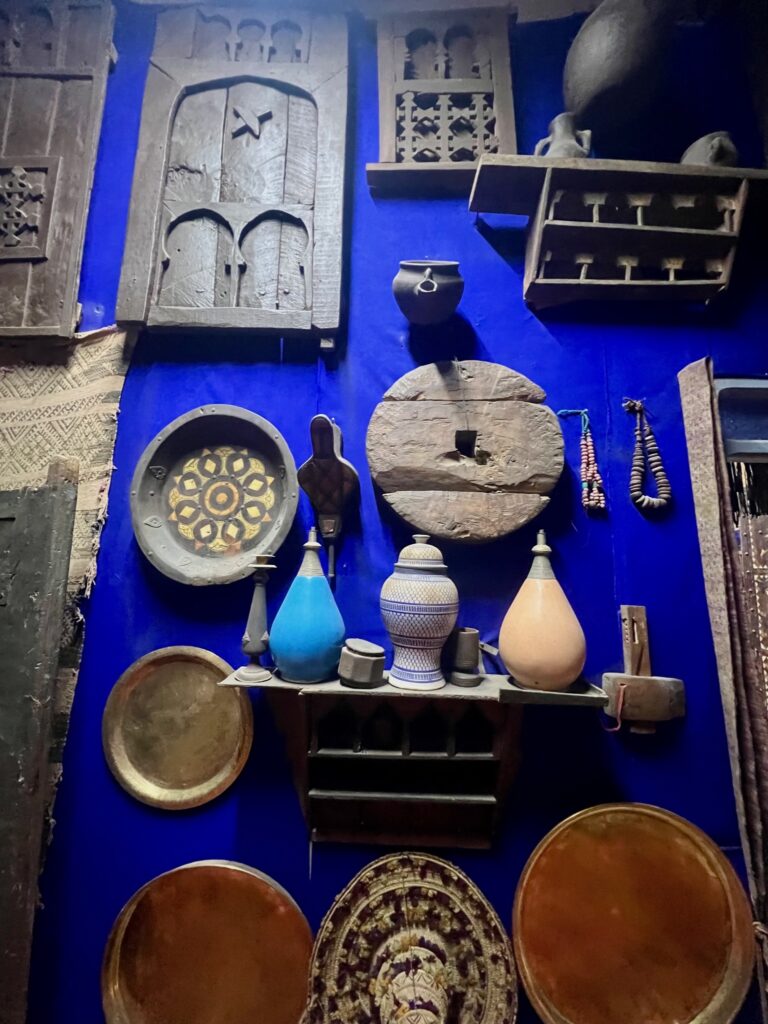
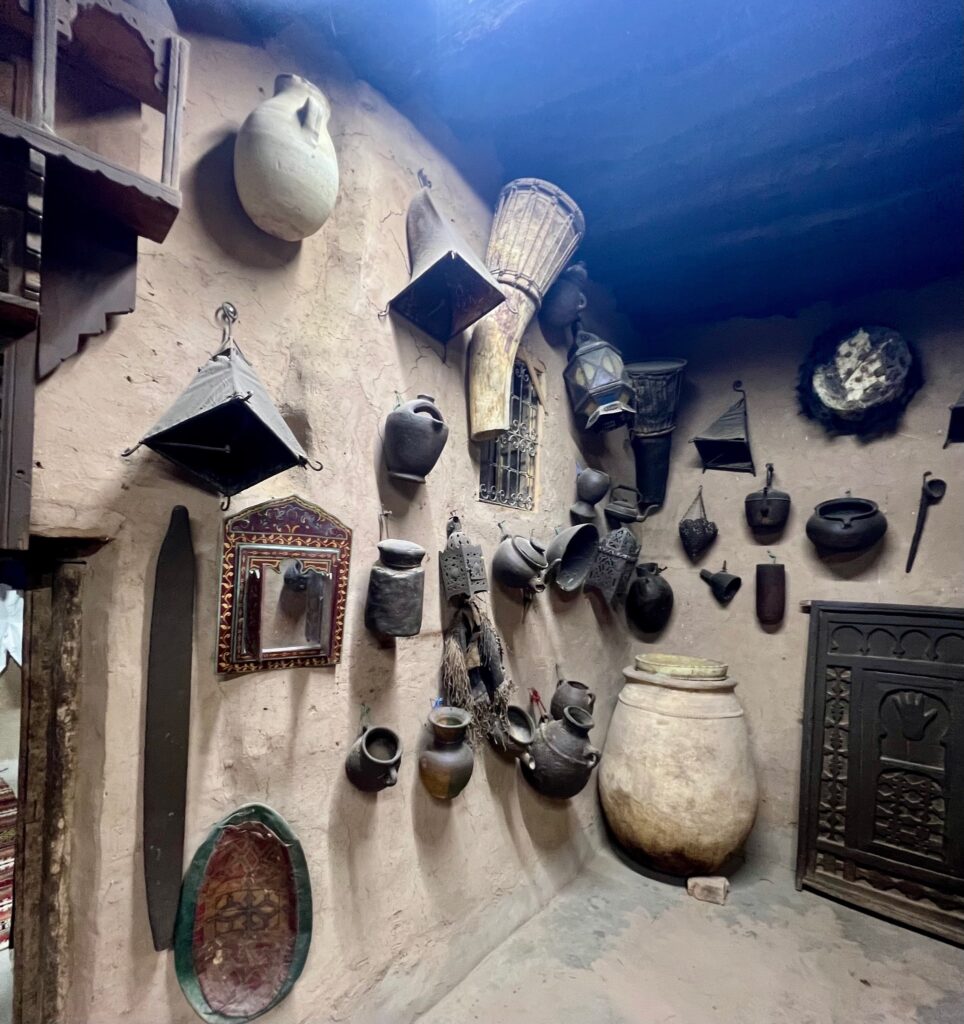
We spent a long afternoon at Antiquités & Artisanat – La Kasbah d’Amezrou (Dépôt de Vente), which is as much a home as it is a shop. Shopping started the right way — with mint tea — and then turned into hours of slowly picking, comparing, putting things down, picking them up again, and haggling over prices that I almost certainly paid too much for. But honestly, what do you expect. The building itself once housed 17 people, and the tools, furniture, and everyday artifacts on display aren’t decorative props — they’re authentic to the home and its history. We left with handcrafted jewelry and a Berber rug, and the sense that we hadn’t just bought souvenirs, but spent time inside a place that still remembers what it used to be.
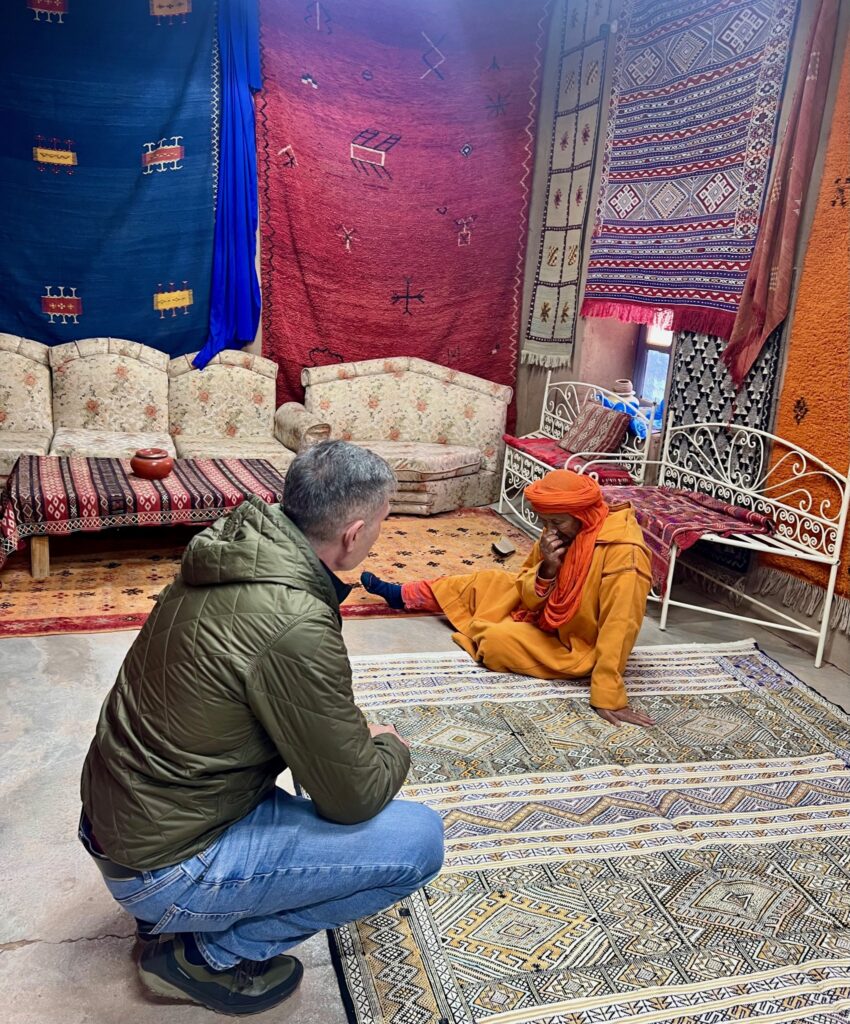
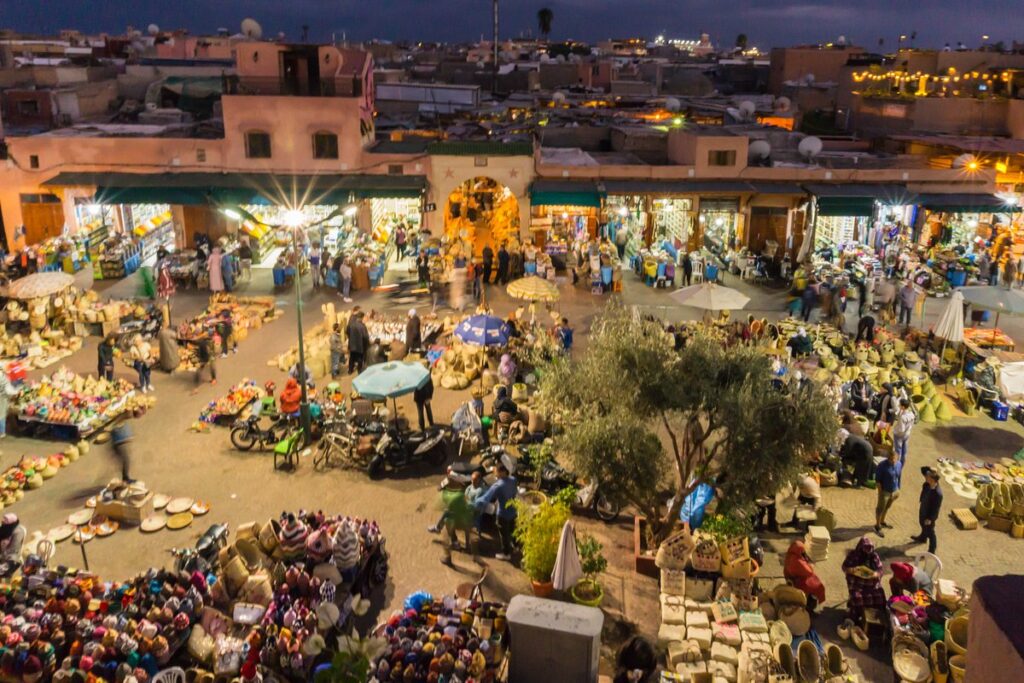
Marrakech’s former slave market was known as Rahba Kedima, a small square not far from Jemaa el-Fnaa, and it operated for centuries as part of the city’s commercial life. Enslaved people were bought and sold there openly until slavery was formally abolished in Morocco in 1922, under the French Protectorate. That’s not ancient history, and knowing that adds an uncomfortable weight to what is otherwise a lively part of the medina. Today, Rahba Kedima is completely unrecognizable as a slave market — filled with shops, spice stalls, and everyday activity, with no obvious trace of what once happened there unless you already know the story.
Final Thoughts
Another trip that created lasting memories. We came to Morocco with open minds and left with full hearts and a long list of moments we’ll be talking about for years. From wandering ancient kasbahs and sitting over mint tea in places that felt untouched by time, to snow-covered mountains, flooded desert tracks, late-night celebrations, and meals that never disappointed, Morocco kept surprising us in ways we didn’t expect. It’s a country that rewards curiosity and flexibility, and gives back more than you plan for.
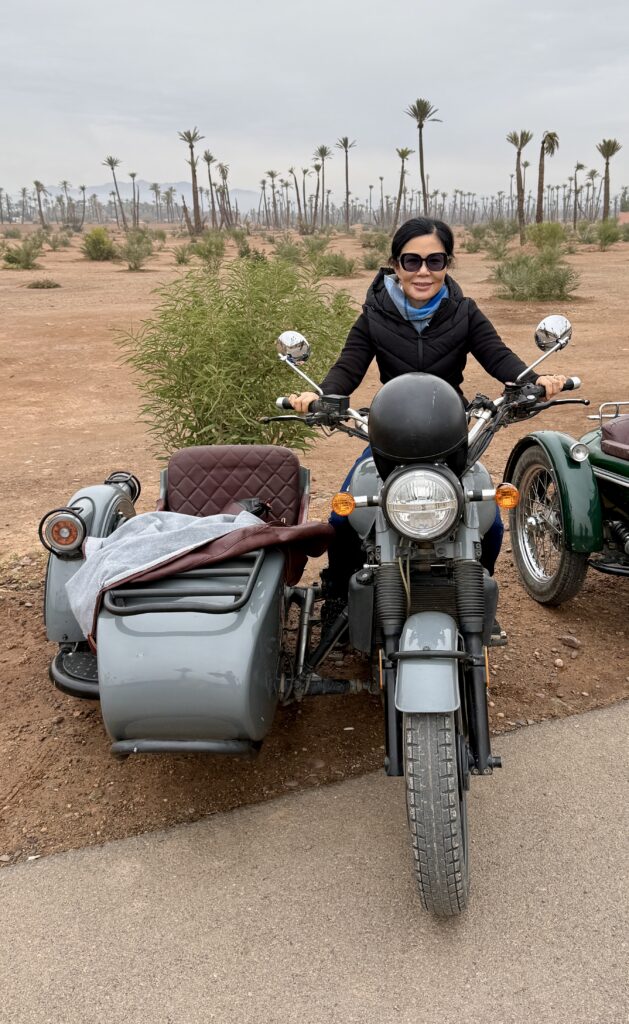
And yes — we’ll be back. Undoubtedly. The food alone is reason enough, and the nightlife seals the deal. Whether it was Eunjae’s Easy Rider moment tearing around Marrakech in a sidecar, music and ululation spilling into the streets after a football win, or quiet mornings in the desert under heavy blankets waiting for the sun to rise, Morocco left its mark. Not polished, not predictable — just generous, vivid, and very hard to shake once you’ve experienced it.